

Blog
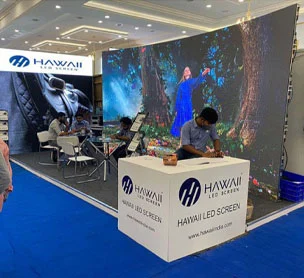
We dive into the fascinating world of rental LED screens in India, with a special focus on the market overview. In a country as diverse and vibrant as India, the demand for LED screens for various purposes has been steadily rising.
Hawaii LED Screen, a company with a rich history dating back to 2000, has been at the forefront of this ever-evolving industry. As a professionally managed organization headquartered in South India, Hawaii LED specializes in LED screen manufacturing, sales, service, and rentals. Our dedicated team consists of visionary leaders, creative sales officers, skilled engineers, and responsible account managers, all working together to provide a comprehensive platform that caters to both the operational and investment needs of our valued customers.
Now, let's delve into the rental LED screen market in India. It's a market that's not just growing it is thriving. Events of all sizes, from grand weddings and musical concerts to corporate gatherings and exhibitions, have come to rely on the stunning visual impact of LED screens. These screens bring life to presentations, make live broadcasts captivating, and ensure that no one misses a moment, no matter how far they are from the stage.
What sets Hawaii LED Screen apart in this dynamic market is our commitment to guiding our customers through every step of their LED screen and video wall projects. We understand that it's not just about having the right equipment. it is about having the right strategy. That is why we offer services that go beyond the sale or rental of LED screens.
Our journey with you begins with your initial concept. We help you envision how LED screens can transform your event or business, maximizing its impact. From there, we provide financial mediation, making sure that your investment aligns with your goals and budget. We do not stop at planning. we are with you during system installation, ensuring that every pixel is in its perfect place.
But our support does not end when the screen lights up. We provide comprehensive training to ensure that you can harness the full potential of your LED screen. And as any technology may encounter hiccups along the way, we are here for you with dedicated service and technical maintenance.
the rental LED screen market in India is thriving, and Hawaii LED Screen is your trusted partner in making the most of this exciting opportunity. We are not just about screens. we are about creating unforgettable experiences and ensuring your success. Stay tuned for more insights into this dynamic industry and feel free to reach out to us for all your LED screen needs. Together, we will illuminate the future of your events and business.
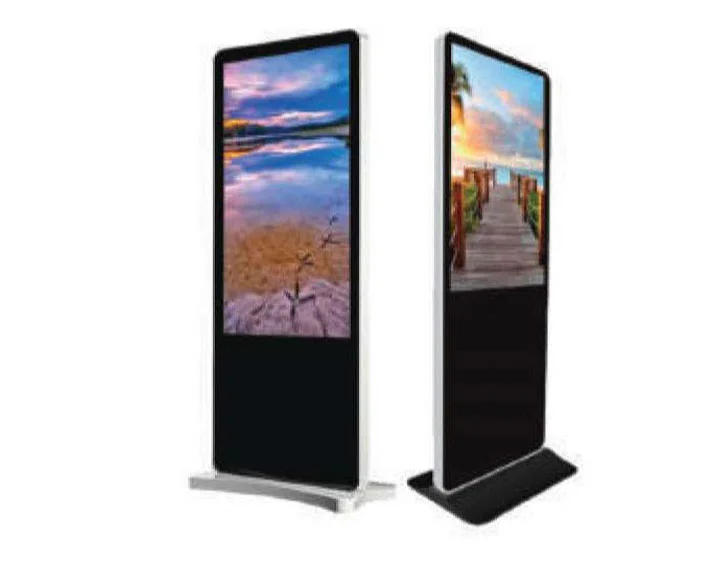
Are you considering installing an LED video wall? If so, it's crucial to clarify where to begin and what factors to consider before proceeding with the installation of an LED video wall that aligns with your business requirements. In this blog, we'll delve into nine key considerations you should keep in mind when planning to install an LED video wall with a focus on Hawaii LED Screens:
1. Define Your Purpose: Before diving into the LED video wall setup, it's imperative to define the purpose of the installation. Consider why you want an LED video wall and what outcomes you expect. Are you looking to market products or services, or perhaps display your brand logo and name? To define your purpose:
- Identify Your Target Audience: Determine who will be viewing the LED video wall. Is it intended for customers in a retail setting, event attendees, or employees in a corporate environment? Understanding your target audience is essential for tailoring content appropriately.
- Research Industry Best Practices: Investigate how other industries have effectively utilized LED video walls. Adapt their successful strategies to suit your specific needs and gain insights into what works well.
- Collaborate With Stakeholders: Involve relevant stakeholders such as marketing teams, designers, and content creators in the purpose-definition process to ensure that the LED video wall content aligns with your organization's marketing or communication strategy.
2. Choose the Right Type for Your Needs: Depending on your purpose, you must select the most suitable type of LED display. Options include indoor LED video walls, outdoor LED video walls,or customized LED display solutions.
3. Choose the Appropriate Location: Selecting the right location is critical as it will determine whether your LED video wall reaches your desired audience effectively. Consider factors such as:
- Understanding Your Target Audience: Know their demographics, interests, and behaviors, and choose a location where they are likely to be present and engaged.
- Accessibility: Ensure that the location is easily accessible, possibly near public transportation, highways, or major roads.
- Assess Foot Traffic and Visibility: Look for busy areas with high foot traffic and good visibility, such as entrances, busy streets, metro stations, waiting areas, or gathering spaces.
4. Analyze Your Content Needs: Understanding your target audience and their preferences helps in creating and managing content effectively. Consider factors like viewing distance, pixel pitch, resolution, content design, and the need for a content management system to schedule, update, and manage your content efficiently.
5. Manage the Maintenance Part: Maintenance is crucial for preserving the quality and longevity of your LED video wall. Implement best practices to ensure the ongoing performance of your investment.
6. Plan Your Budget and Total Cost of Ownership: Create a comprehensive budget that covers initial expenses and recurring costs such as content production, software updates, and maintenance. Calculate the total cost of ownership to align with your financial capabilities.
7. Consider the Manufacturer’s Warranty and Support: When contacting LED video wall manufacturers, inquire about their warranty and after-sales support, including technical assistance, repairs, and replacement parts. A reliable warranty can provide peace of mind in case of unexpected issues.
8. Verify Manufacturer’s Experience and Clients Served: Research the manufacturer's expertise, reputation, and track record in delivering high-quality LED display solutions. Look for testimonials, case studies, or references from previous clients to gauge satisfaction levels.
9. Scope of Future Scalability: Think about the future scalability of your LED video wall system. Opt for a modular design that allows for easy expansion or reconfiguration if your requirements evolve over time, reducing future expenses and complexities.
By considering these factors and partnering with Hawaii LED Screens, you can ensure a successful LED video wall installation that meets your marketing needs and captivates your audience.
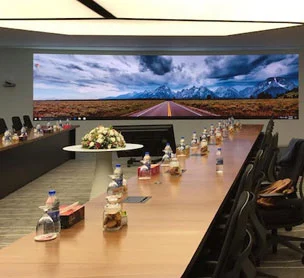
In the age of rapid digitalization and immersive experiences, our homes are evolving into smart living spaces, blending modern technology seamlessly into decor, security, and luxury living. Among these transformative experiences, the LED video wall has emerged as a captivating addition that can elevate your home to new heights.
If you're among those seeking to revolutionize your home decor and entertainment, look no further than Hawaii LED Screen's LED video walls. These stunning displays can find their place anywhere in your home, whether it's an outdoor installation or a centerpiece in your living room.
Imagine the possibilities: a vast, crystal-clear display that breathes life into your favorite movies, games, and videos, all within the cozy confines of your home. Alternatively, if you're aiming for an immersive, unique decor experience, this comprehensive guide will navigate you through the world of LED video walls for your home. From unraveling the technology behind it to helping you choose the perfect one to complement your living space, Hawaii LED Screen is your trusted partner in this transformative journey. Welcome the future of home decor and entertainment with our state-of-the-art LED video walls.
LED video walls from Hawaii LED Screen bring versatility and innovation to your home, offering a range of exciting applications beyond the conventional home theater setup. Let's dive into the thrilling ways you can incorporate an LED video wall into your living space:
Home Theater and Entertainment: Transform your living room into a personal cinema with Hawaii LED Screen's LED video wall.the immersive visuals will transport you to a world of unparalleled entertainment right in your own home.
Gaming Enthusiasts' Paradise: For avid gamers, Hawaii LED Screen's LED video wall is a dream come true. The expansive display and high refresh rates deliver seamless gameplay and unmatched realism, ensuring you're at the epicenter of every gaming adventure.
Elevating Your Living Space: Beyond pure entertainment, our LED video walls double as versatile pieces of art. When not in use, they can display stunning visuals, cherished family photos, or captivating abstract designs, becoming a captivating focal point that enhances the aesthetics of your living space.
Hawaii LED Screen's LED video walls offer a myriad of possibilities to enrich your home environment, combining functionality, aesthetics, and entertainment in one dynamic package. Experience the future of home decor and entertainment with our cutting-edge displays.
Selecting a Hawaii LED Screen LED Video Wall for Your Home
-
LED Size and Aspect Ratio: The size and aspect ratio of your LED video wall are paramount. Begin by assessing the available wall space in your chosen location. Ensure that the dimensions align seamlessly with your room. Moreover, aspect ratio is crucial for displaying different types of content. Whether it's movies, TV shows, or gaming, understanding the appropriate aspect ratio for each content type is vital for an exceptional viewing experience.
-
Pixel Pitch and Resolution: The image quality of your LED video wall hinges on pixel pitch and resolution. Pixel pitch denotes the gap between individual pixels. A smaller pixel pitch results in higher pixel density, translating to sharper and more detailed visuals. To determine the ideal pixel pitch, consider the distance between the screen and your viewing area. Additionally, choose the resolution that matches your viewing distance to ensure crystal-clear and vibrant content.
-
Brightness and Viewing Angles: Brightness is a critical factor, particularly for outdoor LED video walls and areas with abundant natural light. Opt for a display with high brightness levels to maintain vivid content visibility even in well-lit surroundings. Ensure that the LED video wall provides wide viewing angles, ensuring an excellent view for everyone in the room, regardless of their seating position.
-
Connectivity for Seamless Integration: To maximize the utility of your Hawaii LED Screen LED video wall, assess the connectivity options.
-
Audio Integration: For a comprehensive cinematic or gaming experience, audio considerations are crucial. Decide whether you prefer built-in speakers or an external audio system. To achieve an immersive cinematic feel, investing in a high-quality audio setup will complement your LED video wall beautifully.
-
Budget Planning for Your LED Video Wall: Price considerations for LED video walls from Hawaii LED Screen vary based on display type, size, resolution, and other factors.
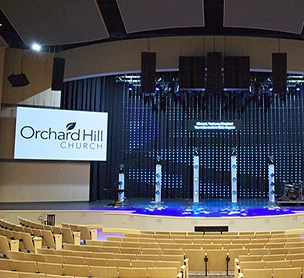
Indoor LED video walls stand-as versatile and dynamic display systems, composed of interconnected LED panels that unite to create a seamless, expansive visual canvas. These exceptional displays find their indoor applications, catering to the need for large, high-definition screens. They are a perfect fit for a spectrum of purposes, from digital advertising and promotional signage to exhibitions, conferences, and various indoor events. The hallmark of an indoor LED video wall is its ability to showcase videos, images, and text in diverse sizes and resolutions, all delivered with uncompromising clarity and sharpness.
If you're in the market for an indoor video wall solution that exceeds expectations, Hawaii LED Screen is your trusted partner. As a renowned indoor LED video wall supplier in India, we specialize in delivering robust and dependable indoor displays that seamlessly integrate into your space, whether mounted on walls or ceilings.
At Hawaii LED Screen, we harness cutting-edge technology to ensure that our video walls deliver top-tier image quality, showcasing content in its full splendor with vivid, true-to-life colors. Our displays are engineered for energy efficiency and durability, making them the go-to choice for sustained indoor use. Moreover, with our competitive pricing and swift design processes, you can embrace the pinnacle of indoor display technology without straining your budget. Choose Hawaii LED Screen for an immersive indoor visual experience that sets your business or event apart.
Superior Image Quality: Hawaii LED Screen's indoor LED walls are distinguished by their exceptional image quality, boasting high brightness and contrast ratios that ensure vivid and sharp visuals, making your content truly stand out.
Energy-Efficient and Cost-Effective: Our LED walls are designed to be energy-efficient, reducing operational costs while maintaining top-notch performance, making them a cost-effective choice for businesses.
Modular Design: The modular design of our LED walls allows for easy customization and hassle-free maintenance. You can tailor the display to fit your unique requirements and replace individual modules as needed.
Space-Saving Thin and Lightweight Design: Hawaii LED Screen's indoor LED walls feature a slim and lightweight design, making them space-saving and easy to install without compromising on quality or performance.
Advanced Control Systems: We offer advanced control systems for seamless content management, enabling you to update and display your content with ease, whether it's advertising, information dissemination, or entertainment.
Wide Viewing Angles: Our indoor LED video walls provide wide viewing angles, ensuring excellent visibility from any direction. This guarantees that your message reaches and captivates your audience, no matter where they are positioned.
Custom Design Services: We understand that each business has unique needs. Hawaii LED Screen offers custom design services, tailoring indoor LED vid eo walls to meet specific business requirements, ensuring your display serves its intended purpose effectively.
Choose Hawaii LED Screen for indoor LED video walls that not only meet but exceed your expectations, providing outstanding image quality, energy efficiency, and customization options for your business needs.
Hawaii LED Screen sets the standard for indoor LED video walls with a range of standout features. From superior image quality and energy efficiency to a modular design that simplifies customization and maintenance, our displays offer a winning combination. The thin and lightweight design saves space during installation, while advanced control systems enable effortless content management. With wide viewing angles and custom design services to meet specific business needs, Hawaii LED Screen indoor LED video walls ensure your visual communication stands out, making a lasting impact on your audience.
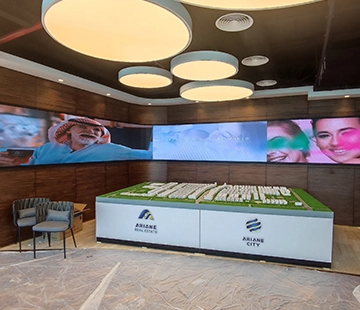
About LED Video Wall in India
As a trusted leader among LED video wall manufacturers, Hawaii LED Screen proudly stands at the forefront, dedicated to delivering unmatched quality and innovation. Our LED video walls not only captivate attention, but also endure the test of time, thanks to their ability to-stay cool and resist burnout, ensuring long-term cost efficiency. Hawaii LED Screen LED video walls are your ultimate solution in India. Elevate your visual experiences and redefine communication with our state-of-the-art displays.
LED video walls have revolutionized the-way businesses interact with customers and provide information to the public in India With their exceptional brightness and sharp image quality.LED video walls have become a go-to marketing tool for businesses across-the country. If you want to make a lasting impression on your customers or communicate vital information effectively, an LED video wall is the perfect solution for you. At Hawaii LED Screen, we proudly assert our position as the foremost choice among LED video wall manufacturers, delivering unparalleled.
Advantaged of LED Video wall in India
Better customer experiences
LED video walls can create immersive and interactive experiences that can enhance customer satisfaction and retention.
Low maintenance
LED video walls require minimal maintenance compared to traditional displays, reducing operational costs and increasing their lifespan.
Customizable
LED video walls that can be tailored to meet the specific requirements of your business or organization.
Versatility
LED video walls can be customized to meet specific needs and are suitable for a wide range of applications such as advertising, live events, education, and control rooms.
Energy efficient
LED video walls are energy-efficient, helping businesses save on energy costs while reducing their carbon footprint.
Application and uses of LED Video Wall in India
Public Awareness
LED video walls can be used for public awareness campaigns to inform the public about important issues, events, and emergencies. They can also be used to promote public health and safety messages and raise awareness about social and environmental issues.
Advertising
LED video walls are commonly used for advertising and promotion due to their high visibility and dynamic displays. Captivate your audience and dominate the market with Hawaii LED Screen LED video walls advertising business.
Control rooms
LED video walls are used in control rooms to display critical information, data feeds, and surveillance footage for monitoring and decision-making.
Live events
Event organizers choose LED video walls for events such as concerts, sports, events, and conferences to display information, live feeds, and presentations.
Education
LED video walls are used in educational settings to display interactive content, facilitate collaboration, and enhance learning experiences.
Retail
Active LED video walls are used in retail-settings to showcase products and promotions, create immersive brand experiences, and drive sales.
- Hawaii LED Screen LED video walls are made with the highest quality materials and components, ensuring a superior viewing experience for your audience.
- The Hawaii LED Screen expert team ensures a fast and efficient installation process so that you can start enjoying your LED video wall display as soon as possible.
- Hawaii LED Screen offers a wide range of LED video walls that can cater to diverse needs, from digital signage to live events and control rooms.
- As a Video Wall company with decades of experience in the field, Hawaii LED Screen offers advanced products tailored to meet the evolving needs of our clients.
- Hawaii LED Screen provides the best pricing for all its products, making LED video walls affordable for businesses of all sizes.
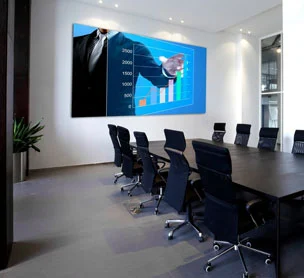
In Tamil Nadu,Hawaii LED Screen,LED video walls a prominent player in the LED video wall industry, is leading the charge in revolutionizing how we engage with visual technology in the state.
Hawaii LED Screen's commitment to excellence shines through in its cutting-edge technology. The high-resolution displays they offer are a seamless fit for a variety of sectors, from entertainment and advertising to education. These dynamic displays have quickly become an integral part of Tamil Nadu visual landscape.
What sets Hawaii LED Screen apart is its dedication to customization.
Hawaii LED Screen's reliability is second to none. Their LED displays are designed to stand the test of time, ensuring that your investment is a lasting one. And when you partner with Hawaii LED Screen, you not only get top-tier technology but also exceptional customer support. From installation to maintenance, they are there to ensure a seamless experience.
Competitive pricing is another key feature of Hawaii LED Screen's offerings. Quality doesn't have to come at a premium, and they ensure that advanced LED video wall technology remains accessible to a wide range of clients in Tamil Nadu.
From a digital marketing perspective, Hawaii LED Screen "LED video wall in Tamil Nadu" they, ensuring that they are easily discoverable by those seeking LED video wall solutions in the state.
In the ever-evolving technological landscape of Tamil Nadu, Hawaii LED Screen stands as a guiding light, illuminating the path to a brighter future with mesmerizing visuals. Whether you're planning an event, looking to enhance your brand's visibility, or seeking to revolutionize education, Hawaii LED Screen is your trusted partner in unlocking the full potential of LED video walls in Tamil Nadu.
Reliability That You Can Count On: When investing in LED video walls, reliability is paramount. Hawaii LED Screen understands this and ensures that their displays are built to last. Their commitment to durability means your investment stands the test of time, delivering long-term value.
Exceptional Customer Support: Beyond providing cutting-edge products, Hawaii LED Screen's commitment to excellence extends to customer support. From the initial installation to ongoing maintenance, their dedicated team is there to ensure a seamless experience for clients across Tamil Nadu.
Competitive Pricing: Quality need not come at a premium, and Hawaii LED Screen proves this by offering competitive pricing. Their goal is to make advanced LED video wall technology accessible to a wide range of clients throughout Tamil Nadu, promoting widespread adoption.
Introduction
Welcome to Hawaii LED Screen, your trusted source for the Best LED walls in Kochi. At Hawaii LED Screen, we understand the importance of choosing the best LED wall to elevate your events, presentations, and installations in this vibrant city. In this blog, we will explore what makes us the top choice for LED walls in Kochi and why our commitment to quality and cutting-edge technology sets us apart.
Understanding LED Walls
LED walls are dynamic displays that have become essential for a wide range of applications, from advertising to entertainment and information dissemination. These versatile screens consist of individual LED modules that combine to form a seamless, high-resolution display. They offer superior brightness, clarity, and color accuracy, making them ideal for both indoor and outdoor use.
The Importance of Choosing the Best LED Wall
Selecting the right Best LED wall is paramount to the success of your events or installations in Kochi. A high-quality LED wall ensures stunning visuals, clear messaging, and a memorable experience for your audience. It can transform an ordinary presentation into an extraordinary one and leave a lasting impression on viewers.
Spotlight on Kochi
From corporate conferences to weddings and cultural festivals, Kochi hosts a wide range of activities that demand top-notch LED walls to enhance the experience.
Hawaii LED Screen's Commitment
At Hawaii LED Screen, our commitment is to provide the best LED walls in Kochi, tailored to your specific needs. We understand the unique requirements of this city's dynamic events and installations, and we are dedicated to exceeding your expectations.
Features of the Best LED Wall in Kochi
What sets the best LED wall in Kochi apart? Here are the key features:
Exceptional Visual Quality: Our Best LED walls offer unparalleled brightness, contrast, and color reproduction, ensuring your content stands out vividly.
Reliability: We provide reliable Best LED walls that work seamlessly, minimizing disruptions during your events.
Customization: Hawaii LED Screen offers customizable Best LED walls to suit your event's unique requirements.
Scalability: Whether you need a small display or a massive video wall, we have scalable solutions to meet your needs.
Cutting-Edge Technology
Our LED walls in Kochi incorporate the latest technological advancements. From high-resolution displays to energy-efficient LED modules, we ensure that you receive state-of-the-art technology that meets the demands of modern events and installations.
Applications in Kochi
Hawaii LED Screen's LED walls find applications in various scenarios in Kochi, including:
Corporate Events: Elevate your presentations and conferences with our high-quality LED walls.
Weddings: Create a magical atmosphere with LED walls that display stunning visuals and videos.
Outdoor Advertising: Capture the attention of passersby with eye-catching outdoor LED displays.
Customer Testimonials
Don't just take our word for it. Here's what some of our satisfied customers in Kochi have to say:
"Hawaii LED Screen transformed our wedding venue into a fairy tale. The LED wall added a touch of magic to our special day."
"We rely on Hawaii LED Screen for our corporate events. Their LED walls never disappoint, delivering exceptional clarity and impact."
Competitive Pricing
At Hawaii LED Screen, we understand the importance of cost-effectiveness. We offer competitive pricing for our LED walls in Kochi without compromising on quality. We believe that every event or installation deserves the best, and we strive to make it affordable for you.
Expert Installation and Support
Our commitment to your success goes beyond providing top-tier LED walls. We offer expert installation and ongoing support in Kochi to ensure your LED display operates flawlessly throughout your event.
Conclusion
In Kochi, where diversity meets dynamism, Hawaii LED Screen stands as your partner in delivering the best LED walls. Our commitment to quality, cutting-edge technology, and customer satisfaction makes us the top choice for LED walls in Kochi. Elevate your events, presentations, and installations with the best LED wall provider in town.
Call to Action
Ready to experience the Hawaii LED Screen difference in Kochi? Contact us today to discuss your LED wall needs and transform your event or installation with the best LED walls in Kochi.
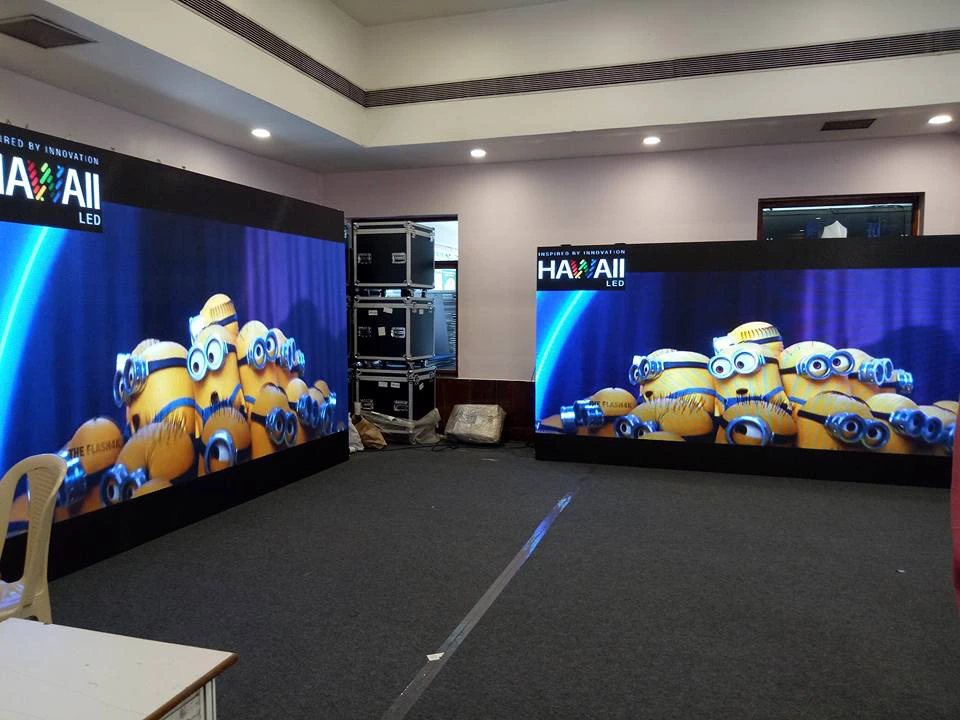
In the state of Kerala,outdoor events are a common spectacle. Whether it's a grand wedding by the backwaters, an open-air concert on the beach, or an outdoor corporate gathering amidst lush greenery, one thing that can truly light up these occasions is an outdoor LED wall. Outdoor LED wall services in Kerala have become an indispensable part of event planning.
Unmatched Visual Impact: The advantage of opting for outdoor LED wall services is the visual impact they bring to your event. These high-resolution screens deliver and sharp visuals, ensuring that every detail, from presentations to live streams, is crystal clear, even under the open sky.
Versatility in Size and Configuration: Kerala diverse and event spaces require flexibility in screen size and configuration. Whether you're hosting an intimate gathering or a massive festival, outdoor LED wall services offer a range of screen sizes and setups to suit your needs. This versatility ensures that your screen integrates into the event's setting.
Day and Night Brilliance: Kerala weather can be unpredictable, but outdoor LED walls are built to withstand the elements. With high brightness levels and weather-resistant designs, these screens shine through rain or shine, ensuring your event remains captivating both day and night.
Professional Installation and Technical Support: Planning an outdoor event can be challenging, but the right outdoor LED wall service provider in Kerala will offer professional installation and technical support. The experts ensure that the screens are set up flawlessly, and they are on standby to address any technical issues that may arise during the event.
Content Management Solutions: Creating and managing content for outdoor LED walls can be daunting, but many service providers in Kerala offer comprehensive content management solutions. They can help you design engaging visuals, synchronize content with your event schedule, and even provide real-time updates, enhancing audience engagement.
Cost-Effective Solutions: Organizing outdoor events can be expensive, but outdoor LED wall services offer cost-effective solutions. By eliminating the need for traditional stage setups and reducing logistical complexities, they can actually help you save on event costs in the long run.
Eco-Friendly Choice: Kerala commitment to preserving its natural beauty aligns with the eco-friendly nature of outdoor LED walls. These screens are energy-efficient, consuming less power compared to conventional displays. By choosing outdoor LED wall services.
if you're planning an outdoor event in Kerala, consider the transformative power of outdoor LED wall services. These screens not only provide unmatched visual impact and versatility but also offer professional installation, content management, and cost-effective solutions. By embracing this technology, you can elevate your outdoor events, leaving a lasting impression on your audience while keeping nature's beauty as your backdrop.
In Kerala, where events and gatherings are a common occurrence, choosing the right LED screen services can significantly enhance any occasion. Whether you need a rental LED screen for a special event or a fixed installation for your business, it's crucial to consider factors like screen variety, quality, technical support, and cost-effectiveness. The best rental services in Kerala offer a range of screen sizes and configurations, ensuring a perfect fit for your event. They also provide professional installation and content management solutions, guaranteeing a seamless experience. fixed LED screens are ideal for businesses and venues seeking a permanent visual display solution that's durable and customizable. By investing in the right LED screen services, you can transform your events and spaces with visual displays that captivate and engage your audience.
-
Variety of Sizes and Configurations: When looking for the best rental LED screen services, it's crucial to find a provider that offers a variety of screen sizes and configurations to suit your specific event needs. Whether you require a large outdoor LED screen for a music festival or a smaller indoor screen for a corporate presentation, versatility is key.
-
Quality and Resolution: The quality and resolution of the LED screens are paramount. You want your content to be displayed with clarity and brilliance. Ensure that the rental service provides high-resolution LED screens that can deliver sharp and vibrant visuals, even in varying lighting conditions.
-
Installation and Technical Support: A reliable LED screen rental service should offer professional installation and technical support. They should have a team of experts who can set up the screens efficiently and troubleshoot any issues that may arise during your event.
-
Content Management: Many LED screen rental services in Kerala also provide content management solutions. This can include helping you design and display content on the screens, whether it's presentations, videos, or live feeds from the event.
-
Cost-Effective Solutions: Compare the pricing of different rental LED screen services to ensure that you get the best value for your budget. Look for transparent pricing and packages that suit your event's requirements.
-
Permanent Installation: Fixed LED screens are ideal for businesses, entertainment venues, and event spaces that require a permanent visual display solution. They can be customized to fit the specific dimensions of your space and provide a seamless viewing experience.
-
Durability and Maintenance: Fixed LED screens are built to last, and they require minimal maintenance. Choose a provider that offers high-quality, durable LED screens that can withstand the test of time and continue to deliver excellent performance.
-
Customization Options: Fixed LED screens can be customized in terms of size, shape, and resolution to match your aesthetic preferences and branding. This allows you to create a visually stunning and cohesive environment for your audience.
-
Energy Efficiency: Look for LED screens that are energy-efficient, as they can help you reduce long-term operating costs while being environmentally friendly.
choosing the most suitable LED screen services can be a game-changer for any occasion.Reliable rental services also provide professional installation and technical support, ensuring a event experience from start to finish. Many rental services even go the extra mile by offering content management solutions, helping you design and display your content, whether it's a corporate presentation, a high-energy video, or a live feed from the event.cost-effectiveness is essential.it's wise to compare pricing and packages to make sure you're getting the best value for your budget. fixed LED screens cater to businesses and entertainment venues in Kerala looking for a permanent visual display solution. These screens can be customized to fit your specific space and deliver a seamless viewing experience. Fixed LED screens are known for their durability and minimal maintenance requirements, making them a long-term investment. Energy efficiency is also a consideration, as it can help you reduce long-term operating costs while being environmentally friendly. whether you need a rental LED screen for a one-time event or a fixed installation for your business, selecting Hawaii LED Screen the right LED screen services in Kerala can take your visual communication to a whole new level. By considering factors such as screen variety, quality, technical support, content management, and cost-effectiveness, you can ensure that your LED screen experience exceeds expectations and leaves a lasting impression on your audience."
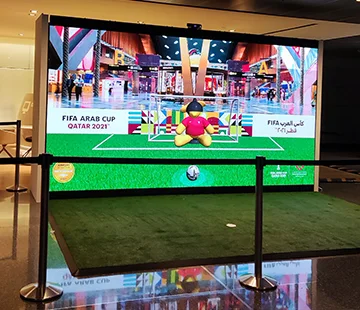
LED video walls have emerged as a game-changer, offering breathtaking displays and unparalleled versatility. In the heart of South India, Hawaii LED Screen stands tall as a leading name in the LED Screen manufacturing, sales, service, and rentals sector. With a legacy dating back to the year 2000, Hawaii LED has consistently provided cutting-edge solutions to its clients, making it the go-to destination for anyone seeking the finest LED video walls in India.
Hawaii LED Screen:LED Video Walls in India
At Hawaii LED, we take pride in being a professionally managed organization headquartered in South India. Our team is a harmonious blend of visionaries, creative sales experts, seasoned engineers, and diligent account managers. Together, we have successfully created a comprehensive platform that caters to every aspect of LED screen and video wall solutions, ensuring a seamless experience for our clients.
Our Journey:
Established in the year 2000, Hawaii LED Screen embarked on a journey with a commitment to innovation and excellence. Over the years, we have perfected the art of LED video wall technology, making us a frontrunner in the industry.
Our Services:
Professionally Managed Excellence: Hawaii LED Screen prides itself on its professional management team headquartered in South India. Our leadership embodies a fusion of experience, creativity, and technical prowess, ensuring that every LED screen we deliver is a testament to excellence.
Manufacturing Excellence: Behind every stunning LED video wall is a rigorous manufacturing process. Hawaii LED Screen manufacturing facility is equipped with the latest technology to produce LED screens of the highest quality, setting industry benchmarks.
Sales Expertise: Whether it's for advertising, entertainment, or any other application, our extensive range of LED video walls caters to diverse requirements. We understand that each project is unique, and our experienced sales officers work closely with you to recommend the perfect solution.
Service Commitment: We recognize that the journey doesn't conclude with the purchase. Our dedicated service team stands ready to assist with installation, configuration, and ongoing support, ensuring your LED video wall always performs at its best.
Rentals for Flexibility: For those seeking temporary solutions, we offer a range of rental options. Our rental LED screens are maintained to the highest standards, ensuring top-notch performance for your events and exhibitions.
Our Comprehensive Approach:
At Hawaii LED Screen, we believe in guiding our clients through every step of their LED screen and video wall projects:
Initial Concept: We work collaboratively to understand your vision and needs, helping you conceptualize the perfect LED video wall solution.
Financial Mediation: Our team assists you in navigating the financial aspects, ensuring your investment aligns with your goals and budget.
Planning and Execution: Every detail of your project is meticulously planned to ensure a smooth installation and integration.
Training for Success: We provide comprehensive training, empowering you to maximize the potential of your LED video wall.
Ongoing Support: Hawaii LED Screen remains your trusted partner, offering timely maintenance and support services to keep your LED video wall performing optimally
Conclusion
Hawaii LED Screen is not just a name; it's a commitment to excellence in LED video wall technology. With a legacy spanning over two decades, we continue to push the boundaries of innovation and provide our clients in India with the finest LED screen solutions available. When you choose Hawaii LED Screen, you're not just investing in a product; you're investing in a partnership dedicated to your success.
Experience the future of visual technology with Hawaii LED Screen, your trusted partner for LED video walls in India.
The Significance of LED Screen Walls in Mumbai
Mumbai, often referred to as the 'City of Dreams,' is home to numerous events, businesses, and cultural festivities. In this dynamic environment, LED screen walls have become indispensable. They serve as the canvas for grand events, advertising billboards, informative displays, and more. Their vibrant displays and versatility make them a powerful tool for conveying messages and captivating audiences in the city that never sleeps.
Which is the Best LED Screen Wall in Mumbai?
The question for the best LED screen wall in Mumbai can be a daunting one, given the myriad of options available. However, one name that shines consistently is Hawaii LED Screen. Here's why
Cutting-Edge Technology: Hawaii LED Screen leverages the latest in LED technology to deliver stunning visuals that are crisp and captivating. Their screens are designed to provide high-resolution displays, ensuring that your content stands out in the bustling streets of Mumbai.
Durability and Reliability: Mumbai dynamic environment demands LED screens that can withstand the test of time. Hawaii LED Screen constructs their walls using top-notch materials, ensuring durability and reliability even in the face of Mumbai unpredictable weather.
Customization: No two businesses or events in Mumbai are the same, and Hawaii LED Screen recognizes this. They offer customizable LED screen solutions that can be tailored to fit your unique requirements, whether it's for a corporate event, a product launch, or an advertising campaign.
Affordability Meets Excellence: Hawaii LED Screen's LED Wall Price in Mumbai
the best LED screen wall in Mumbai is essential, it's equally important to ensure that it aligns with your budget. Hawaii LED Screen believes that excellence should be accessible to all. That's why their LED wall prices in Mumbai are competitive and designed to cater to a wide range of clients.
By choosing Hawaii LED Screen for your LED wall needs in Mumbai, you not only get access to cutting-edge technology and unmatched quality but also a partner that understands the value of affordability in this bustling metropolis.
the question for the best LED screen wall in Mumbai leads us to Hawaii LED Screen.Their commitment to excellence, technological innovation, and competitive LED wall prices make them choice for businesses and events looking to make a lasting impression in the heart of Mumbai. Illuminate your message, captivate your audience, and embrace the future with Hawaii LED Screen.
Are you searching for the perfect LED wall solution in Kochi? Look no further! Hawaii LED Screen is your go-to destination, offering top-notch LED walls at unbeatable prices.
The importance of LED walls in today's digital age. LED walls, with their vibrant displays and dynamic capabilities, have revolutionized the way we communicate and present information. Whether you are organizing an event, running an advertisement campaign, or enhancing your business's ambiance, LED walls offer a versatile and visually stunning solution.
Now, let's address the question that is been on your mind: "Which LED wall is best?"
Which LED Wall is Best?
When it comes to choosing the best LED wall in Kochi, there are several factors to consider. These factors include image quality, durability, ease of installation, and, of course, the price. Let's break down why Hawaii LED Screen surpasses the competition in all of these aspects, especially in terms of LED wall price in Kochi.
Unbeatable LED Wall Price in Kochi
Hawaii LED Screen takes pride in offering the most competitive LED wall prices in Kochi. We understand that cost-effectiveness is a significant concern for our customers, and we have made it our mission to provide high-quality LED walls at affordable prices.
Our commitment to affordability does not mean we compromise on quality. At Hawaii LED Screen, you will find LED walls that are built to last. Our products are designed using premium materials to ensure long-term durability, so you get the best value for your investment.
When it comes to image quality, Hawaii LED Screen stands head and shoulders above the rest. Our LED walls deliver breathtaking visuals, with vivid colors and sharp resolutions that captivate your audience.Whether you are using our LED walls for advertising, presentations, or entertainment purposes, you can trust that your content will shine.
We understand that time is of the essence, especially in event planning and business operations. That is why Hawaii LED Screen provides LED walls that are easy to install and set up. Our user-friendly designs and detailed instructions mean you will have your LED wall up and running in no time, without the need for extensive technical expertise.
Why Choose Hawaii LED Screen?
it is evident that Hawaii LED Screen is the best choice for LED walls in Kochi. Our commitment to affordability,unbeatable image quality and ease of installation make us the ideal partner for all your LED wall needs.
if you are looking for the best LED wall at the most competitive LED wall price in Kochi, Hawaii LED Screen is your ultimate destination. Do not compromise on quality choose Hawaii LED Screen and experience the future of LED walls. Contact us today and discover why we are the preferred choice for businesses and event planners in Kochi. Your satisfaction is our guarantee!