

Blog
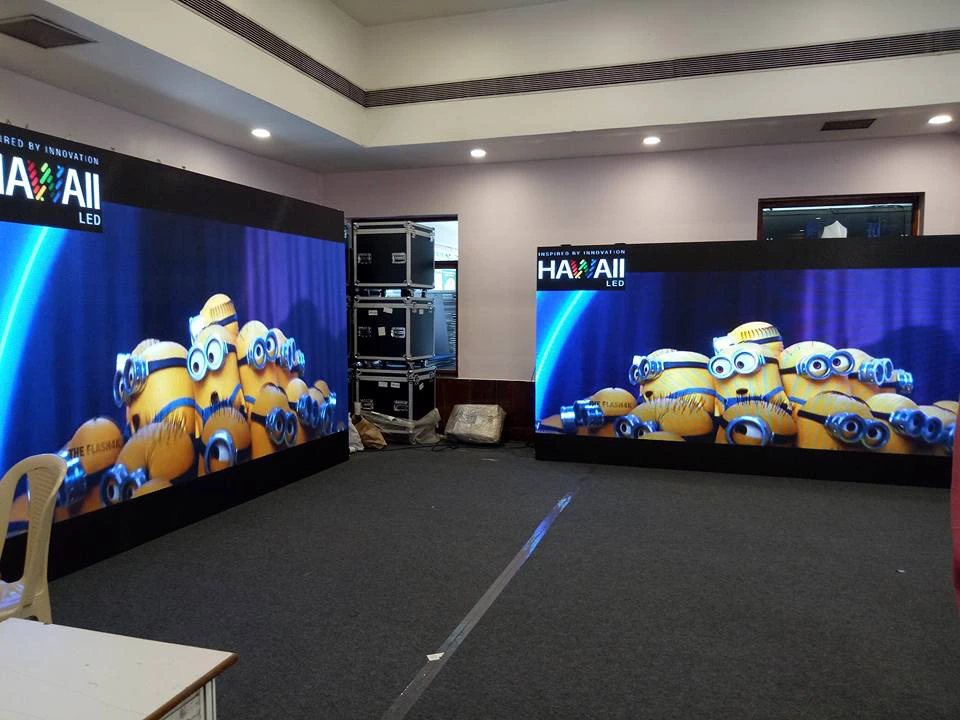
Are you searching for the perfect LED wall solution in Kochi? Look no further! Hawaii LED Screen is your go-to destination, offering top-notch LED walls at unbeatable prices.
The importance of LED walls in today's digital age. LED walls, with their vibrant displays and dynamic capabilities, have revolutionized the way we communicate and present information. Whether you are organizing an event, running an advertisement campaign, or enhancing your business's ambiance, LED walls offer a versatile and visually stunning solution.
Now, let's address the question that is been on your mind: "Which LED wall is best?"
Which LED Wall is Best?
When it comes to choosing the best LED wall in Kochi, there are several factors to consider. These factors include image quality, durability, ease of installation, and, of course, the price. Let's break down why Hawaii LED Screen surpasses the competition in all of these aspects, especially in terms of LED wall price in Kochi.
Unbeatable LED Wall Price in Kochi
Hawaii LED Screen takes pride in offering the most competitive LED wall prices in Kochi. We understand that cost-effectiveness is a significant concern for our customers, and we have made it our mission to provide high-quality LED walls at affordable prices.
Our commitment to affordability does not mean we compromise on quality. At Hawaii LED Screen, you will find LED walls that are built to last. Our products are designed using premium materials to ensure long-term durability, so you get the best value for your investment.
When it comes to image quality, Hawaii LED Screen stands head and shoulders above the rest. Our LED walls deliver breathtaking visuals, with vivid colors and sharp resolutions that captivate your audience.Whether you are using our LED walls for advertising, presentations, or entertainment purposes, you can trust that your content will shine.
We understand that time is of the essence, especially in event planning and business operations. That is why Hawaii LED Screen provides LED walls that are easy to install and set up. Our user-friendly designs and detailed instructions mean you will have your LED wall up and running in no time, without the need for extensive technical expertise.
Why Choose Hawaii LED Screen?
it is evident that Hawaii LED Screen is the best choice for LED walls in Kochi. Our commitment to affordability,unbeatable image quality and ease of installation make us the ideal partner for all your LED wall needs.
if you are looking for the best LED wall at the most competitive LED wall price in Kochi, Hawaii LED Screen is your ultimate destination. Do not compromise on quality choose Hawaii LED Screen and experience the future of LED walls. Contact us today and discover why we are the preferred choice for businesses and event planners in Kochi. Your satisfaction is our guarantee!
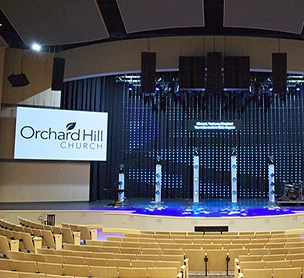
In the realm of wedding planning, aesthetics and innovation play a pivotal role in leaving a lasting impression on guests. A relatively novel yet impactful addition to the wedding scene is the utilization of LED screens. These screens, capable of showcasing captivating visuals, have rapidly become a sought-after element in Chennai weddings. One company that stands out in providing top-tier wedding rental LED screens is "Hawaii LED Screen". Situated in the heart of Chennai, this company is transforming wedding experiences through their cutting-edge LED screen offerings.
Elevating Wedding Experiences
In Chennai's bustling wedding industry, Hawaii LED Screen has carved a niche for itself by offering a unique and visually striking addition to weddings LED screens. These screens are ingeniously incorporated to enhance the overall ambiance and create unforgettable memories. From displaying heartwarming pre-wedding videos to live streaming the grand ceremony, these screens add a touch of modernity while preserving the sanctity of tradition.
The Hawaii LED Screen Difference
What sets Hawaii LED Screen apart is not only their top-quality products but also their commitment to customer satisfaction. With a diverse range of LED screens specifically tailored for weddings, they cater to various requirements, ensuring that every couple's vision is brought to life. From compact screens for intimate gatherings to large-scale displays for grand celebrations, Hawaii LED Screen has the perfect fit for every wedding style.
A Visual Spectacle
Imagine a beautiful outdoor wedding reception under the stars, with a stunning LED screen seamlessly blending into the backdrop. These screens have the power to transform any space into a visual spectacle, showcasing picture-perfect moments, heartwarming stories, and real-time captures of the ceremony. Guests are captivated by the larger-than-life visuals, fostering a deeper connection with the couple's journey.
Seamless Integration
One of the standout features of Hawaii LED Screen is their seamless integration of technology. Their skilled technicians ensure that the LED screens are strategically placed, with optimal visibility for all guests. Whether it's the vows being exchanged, the lively dance performances, or a sentimental slideshow, every element is flawlessly showcased on the screen, ensuring that no guest misses out on any aspect of the celebration.
Personalization and Customization
Hawaii LED Screen understands that every wedding is unique. Their screens are customizable, allowing couples to infuse their personalities into the visual experience. Whether it's selecting the perfect color scheme, fonts, or transitions, the couple's preferences are meticulously incorporated, creating a harmonious blend with the wedding's theme.
Conclusion
As Chennai's wedding scene continues to evolve, Hawaii LED Screen remains at the forefront of innovation, creating enchanting and immersive experiences. Their wedding rental LED screens have redefined the way couples and guests interact, leaving a lasting impression and making weddings truly unforgettable. By combining technology, aesthetics, and a deep understanding of wedding dynamics, Hawaii LED Screen ensures that every wedding becomes a captivating visual journey, forever etched in the memories of all who attend.
where tradition meets modernity, there's a technological revolution underway that's reshaping the way we experience visuals – and at the forefront of this revolution is Hawaii LED Screen. With a prime location in Calicut, Hawaii LED Screen has established itself as one of the leading video LED wall manufacturers in calicut region, pioneering innovation and setting new standards for visual excellence.
What sets Hawaii LED Screen apart isn't just its name; it's the dedication to crafting LED walls that go beyond ordinary displays. With a deep-rooted commitment to quality, technology, and customer satisfaction, Hawaii LED Screen has become a beacon of ingenuity in an increasingly digital world.
In the heart of Calicut, Hawaii LED Screen's manufacturing facility is a hub of creativity and expertise. This is where raw materials are transformed into mesmerizing visual canvases that have the power to captivate and engage. From designing the tiniest components to assembling large-scale LED walls, every step is a testament to the meticulous craftsmanship that defines Hawaii LED Screen's products.
What truly sets Hawaii LED Screen apart is its unwavering focus on innovation. The team behind the scenes is not content with replicating what's been done before; they're driven by a desire to explore the uncharted territory of LED display technology. This drive has led to the creation of LED walls that are not just screens but immersive experiences that blur the line between reality and imagination.
Calicut's diverse landscape is a testament to the versatility of Hawaii LED Screen's creations. Whether it's a commercial space that needs a dynamic visual element to attract customers, an event venue that seeks to create a lasting impact, or an entertainment hub that wants to dazzle audiences, Hawaii LED Screen has the solution. Their LED walls have graced product launches, weddings, concerts, and more, enhancing the visual appeal and leaving a lasting impression.
One of Hawaii LED Screen's most remarkable features is its commitment to local excellence. Being located in Calicut allows them to be closely connected to the community they serve. This means that every LED wall that leaves their facility isn't just a product; it's a reflection of the region's spirit and Hawaii LED Screen's dedication to contributing to its growth.
As technology continues to evolve, Hawaii LED Screen remains at the forefront, adapting to new trends and pushing boundaries. Their LED walls are not just about today; they're about the future of visual experiences. The dedication to staying ahead of the curve is what makes Hawaii LED Screen a leader in the industry.
Hawaii LED Screen's position as a leading video LED wall manufacturer in Calicut is well-deserved and hard-earned. Their commitment to innovation, quality, and their local community sets them apart in a competitive landscape. As we step into a world where visuals play an increasingly important role, Hawaii LED Screen lights the way with its exceptional creations that transform spaces and elevate experiences.
A rental LED screen is a large display made up of many small LED lights. These lights work together to show pictures and videos on the screen. People often use rental LED screens for events like concerts, parties, and conferences. The "rental" part means that instead of buying the screen, you can borrow or rent it for a specific time. This can be useful because you might only need the screen for a short period.
Rental LED screens are good for showing things to a big group of people because they're bright and can be seen from far away. They're like really big TVs that you can use temporarily. People use them to share important information,show cool visuals,or make the event more exciting. So, in simple words, a rental LED screen is a big, temporary screen with lots of little lights that can show pictures and videos to a lot of people at events.
rental LED screens
Rental LED screens play a pivotal role in a multitude of contexts, serving as expansive displays composed of numerous tiny LED lights that collectively illuminate to present images and videos. These screens find widespread application in diverse scenarios, primarily centered around events, entertainment, and information dissemination. From mega-concerts and sports games to conferences and trade shows, these screens infuse vitality by showcasing live performances, replays, presentations, and promotional materials to sizeable audiences.businesses capitalize on their luminosity for advertising and branding endeavors, strategically situating them in high-traffic locales to captivate attention and heighten brand recognition. Weddings and special occasions are elevated with rental LED screens displaying wedding videos and enhancing guests' visual experience. In crowded spaces like transport hubs and shopping centers, these screens relay crucial information, while public celebrations, parades, and educational presentations benefit from their ability to amplify visibility for diverse audiences.rental LED screens are versatile tools that invigorate events, convey information, advertise products, and elevate the overall ambiance by delivering vivid visuals and dynamic content.
Rental LED screens are multifunctional marvels, consisting of an array of countless small LED lights that coalesce to form expansive displays capable of showcasing images and videos. These versatile screens find themselves at the heart of various contexts, each distinct in purpose yet collectively highlighting the screen's significance.
the corporate landscape embraces rental LED screens as indispensable tools for conferences, trade shows, and exhibitions. In these spaces of professional exchange, the screens metamorphose into conduits of information, broadcasting presentations, product showcases, and captivating videos that articulate the essence of brands and concepts with a brilliance unattainable through conventional means. Their larger-than-life dimension becomes a metaphorical mirror, reflecting the magnitude of ideas onto the canvas of comprehension.
the advertising realm recognizes the prowess of rental LED screens as attention magnets. Installed strategically in bustling urban corners or high-traffic intersections, these screens become beacons of persuasion, projecting compelling advertisements and branding messages that imprint themselves onto the subconscious minds of passersby.
Even in the realm of personal milestones and celebrations, rental LED screens shine brightly. Weddings become more enchanting as these screens weave together memories through the display of heartwarming photos and videos, offering a visual narrative that echoes the emotions of the day. As witnesses to joyous unions, they mirror the couple's journey in vibrant pixels.
rental LED screens are not confined to celebratory spheres alone. They play a pivotal role in the dissemination of information, acting as interactive billboards at transportation hubs, shopping malls, and public spaces. Their capacity to convey schedules, directions, and announcements is invaluable, simplifying navigation in complex environments.
rental LED screens emerge as canvases for innovation. Artists, designers, and creators leverage their luminosity to sculpt breathtaking visual spectacles, using light, color, and movement to evoke emotions and provoke thought. These screens transform into dynamic galleries, breaking free from the constraints of physical space and inviting viewers into a realm of boundless imagination.
Beyond their multifarious applications, rental LED screens also contribute to the temporary signage ecosystem.
rental LED screens transcend the boundaries of mere technology, seamlessly integrating into the diverse tapestry of human experiences. They transform events into sagas, information into art, and ordinary moments into extraordinary memories. These luminous giants stand as testaments to the power of light, color, and dynamic visual storytelling, leaving an indelible mark on the canvas of our shared existence.
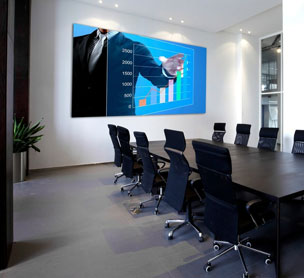
In a world dominated by visual experiences, advertising has transformed into an innovative and captivating medium.Hawaii LED Screen, a trailblazing organization headquartered in South India. With a legacy dating back to 2000, Hawaii LED has been redefining the landscape of LED screen manufacturing, sales, service, and rentals.
Established in 2000, Hawaii LED has stood the test of time as a beacon of innovation and excellence in the LED industry. Hawaii LED understands this evolution and has harnessed the potential of LED screens to transform advertising in India. The brilliance of LED technology lies in its ability to deliver vibrant visuals, both indoors and outdoors, irrespective of ambient lighting conditions. This adaptability ensures that brands capture attention effectively and create lasting impressions.
Hawaii LED's commitment to its clients extends beyond manufacturing and sales. The organization offers end-to-end solutions, guiding clients from the conceptual stage to execution, and ensuring seamless system installation and training.
advertising LED display screens. These advanced screens have reshaped how brands share their stories. With stunning visuals, they capture attention and create immersive experiences, making advertising more captivating and engaging.
LED display screens are special because they can turn normal messages into exciting experiences. They use bright colors and clear pictures to make brands stand out. Whether in busy cities or shopping places, these screens make brand messages shine.
In India's cities, LED screens are changing how things look. They fit into the city scene, showing important updates, ads that catch your eye, and even live events. They're not just ads; they're a cool way for brands to show who they are.
Hawaii LED Screen, a leader since 2000, is a big part of this change. They help from start to finish – from getting ideas to making things happen, and they keep things working well too. This means brands can shine brightly and keep shining.
If you're in Hyderabad and considering investing in an LED display screen, you've come to the right place. Hawaii LED Screen is here to guide you through the world of LED display screen prices in Hyderabad.
let's understand what LED display screens are. An LED display screen is a modern electronic display technology that utilizes light-emitting diodes to create vibrant and attention-grabbing visuals. These screens are used in various applications, including advertising, events, information display, and entertainment.
Factors Affecting LED Display Screen Prices
Screen Size and Dimensions: The size of the LED display screen is one of the primary factors influencing its price. Larger screens with higher resolutions typically come at a higher cost.
Resolution: The resolution of the screen, measured in pixels, plays a significant role in determining the quality of visuals. Higher resolution screens tend to be pricier due to the advanced technology required.
Pixel Pitch: Pixel pitch refers to the distance between individual pixels. A smaller pixel pitch results in higher pixel density and better image quality. However, screens with smaller pixel pitches are generally more expensive.
Indoor or Outdoor Use: LED display screens designed for outdoor use are equipped with weatherproofing features to withstand environmental conditions. As a result, outdoor screens are generally more expensive than indoor ones.
Brightness and Viewing Distance: Screens with higher brightness levels are suitable for outdoor environments and areas with significant ambient light. The brightness requirement affects the cost. The distance from which the screen will be viewed also impacts the choice of screen and its price.
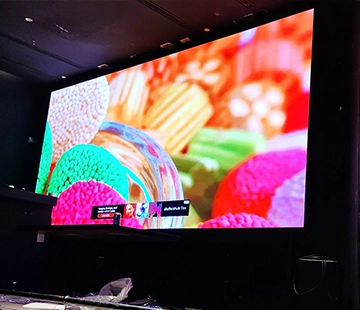
If you've ever been to a party or an event where people are dancing on a floor that seems to light up with every step, you've experienced the magic of an LED dance floor. Now, imagine having the Best LED Dance Floor in India at your next big celebration. That's where Hawaii LED Screen steps in.
Hawaii LED Screen: The Kings of Dance Floor Magic
When it comes to making parties and events unforgettable, Hawaii LED Screen knows how to bring on the magic. They're the ones who create those awesome LED dance floors that make you feel like you're dancing among the stars.
Mind-Blowing Tech: Hawaii LED Screen is all about using super cool technology to make dance floors that are out of this world. They use special lights that can change colors and make cool patterns, turning the dance floor into a colorful canvas.
Made Just for You: You know how every event is different? Well, Hawaii LED Screen totally gets that. They make their LED dance floors in different styles and colors to match the theme of your event. Whether it's a fancy wedding or a crazy music festival, they've got you covered.
Dancing with Colors: Imagine dancing on a floor that changes colors with the beat of the music. Hawaii LED Screen makes that happen! Their dance floors can light up in all sorts of colors, making the dance party even more exciting.
Sturdy and Safe: Don't worry about dancing too hard – these dance floors are built strong and safe. They're designed to handle all the dancing and jumping without any worries. Safety first, dance second!
Experts at Work: The people at Hawaii LED Screen really know their stuff. They're experts in making LED dance floors, and they work with you to make sure your event is a blast. They're not just about selling floors; they're about making your party awesome!
Why LED Dance Floors Are So Awesome
LED dance floors are like dance parties on a different level. The lights and colors make you feel like you're in a music video, and everyone loves that feeling. No matter if it's a big wedding or a small get-together, these floors add a touch of magic to any event.
Why Choose Hawaii LED Screen for the Best LED Dance Floor in India?
With so many choices out there, picking the right LED dance floor might seem tough. But that's where Hawaii LED Screen shines. Check out why they're the best choice:
Your Party, Your Way: These guys care about what you want. They'll work with you to make sure the dance floor matches your event perfectly. It's like having your dream LED dance floor come true!
Attention to Detail: Hawaii LED Screen pays super close attention to making each dance floor special. They put in a lot of effort to make sure it's not just a floor but a work of art that makes your event shine.
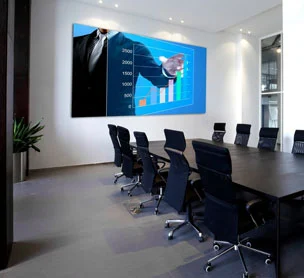
P2 LED walls have revolutionized the way we perceive visual displays. With features such as enhanced contrast, reduced reflections, and ultra-high resolution, these walls offer an unparalleled viewing experience. Hawaii LED Screen's role in introducing and perfecting this technology underscores their dedication to shaping the future of visual communication in India. So, whether you're in the business of presentations, entertainment, or art, P2 LED walls are your canvas for creating awe-inspiring visual stories.
What is P2 LED Wall?
Alright, so imagine a display that takes your viewing experience to a whole new level. That's precisely what P2 LED walls are all about. The "P2" might sound like some secret code, but it's simply the term for the pixel pitch of the LEDs used in these walls. Lower pixel pitch means more pixels packed together, resulting in jaw-droppingly clear images and videos that look like they're right there in front of you.P2 LED walls bring forth a new era of visual brilliance.
Hawaii LED Screen's P2 LED walls harness the power of black LED lamps, elevating the overall quality of the display. This enhancement not only heightens the contrast of the visuals but also significantly reduces reflections when operating in darker modes. The result? A viewing experience that's immersive and true-to-life, drawing viewers into a world of captivating visuals.
One standout feature of P2 LED walls is their utilization of progressive technology to maintain precise contrast levels. Whether you're watching a movie, delivering a presentation, or showcasing creative content, the P2 LED wall ensures that contrast remains consistent, offering a balanced and eye-catching display at all times.
Ultra-High Resolution
Get ready to have your eyes delighted! P2 LED walls are all about that ultra-high resolution goodness. Think of it as a million tiny pixels working together to create visuals that are out-of-this-world sharp. Whether you're showing off your artwork, sharing your latest YouTube find, or delivering a presentation, P2 LED walls make sure every detail shines through.
Hawaii LED Screen: Shaping the Future
Now, let's talk about the mastermind behind these amazing P2 LED walls - Hawaii LED Screen. They're not just a company; they're the pioneers of mind-blowing visual technology. With their dedication to quality and innovation, they've become the go-to name when it comes to advanced display solutions. When you choose Hawaii LED Screen, you're not just getting a display; you're stepping into a world of unmatched visual experiences.
P2 LED walls are here to steal the show. With their mind-blowing quality, consistent contrast, and ultra-high resolution, they're changing the way we see things. Hawaii LED Screen's role in bringing this tech marvel to India is a testament to their commitment to pushing the boundaries of visual communication.
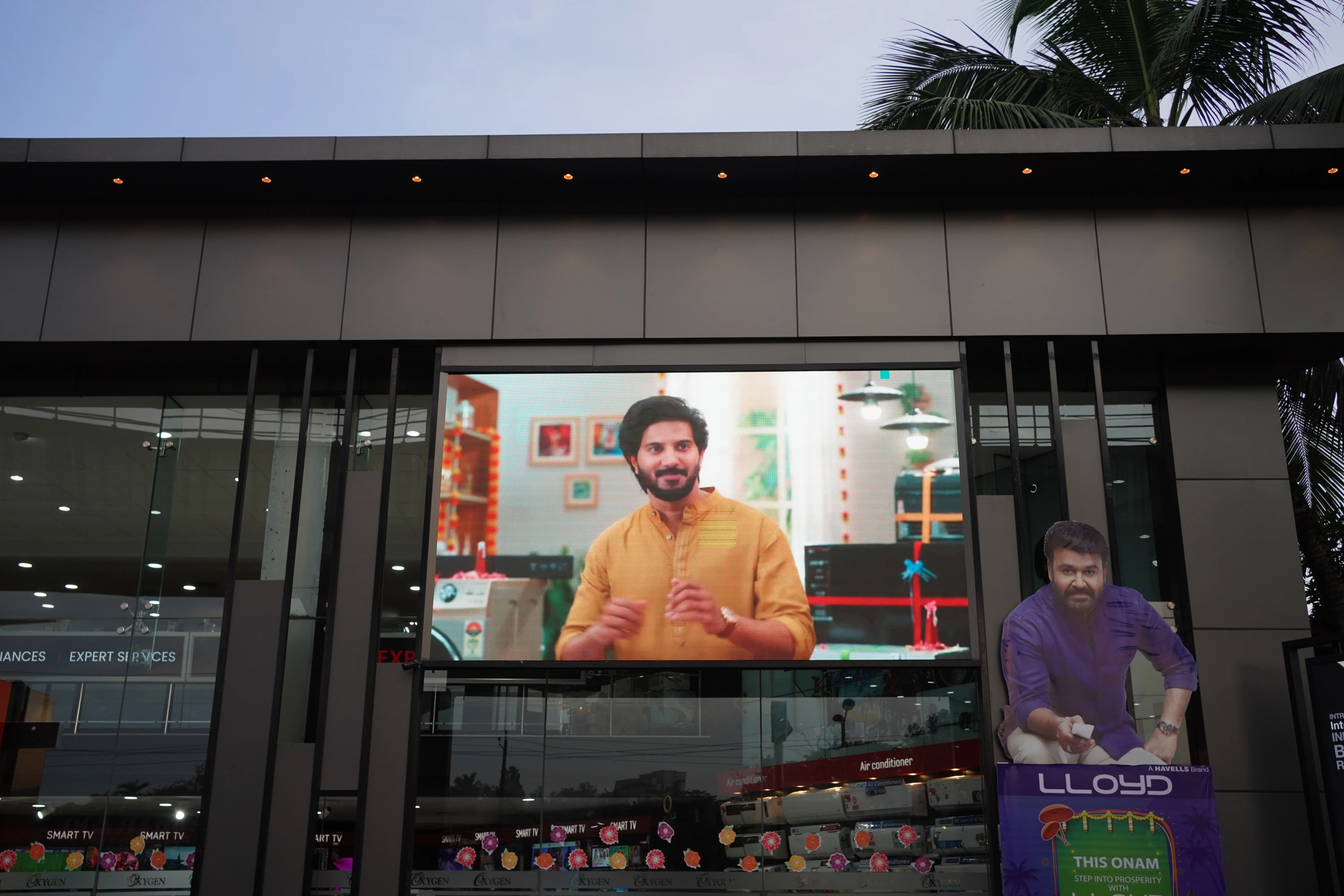
If you're aiming to audience's attention and promote your brand effectively look no further than outdoor LED displays. outdoor LED screens offer images, vibrant colors, and dynamic displays.As LED technology continues to advance, business owners and advertisers are presented with exciting opportunities to enhance brand awareness using affordable and impactful outdoor displays.
Introducing the Outdoor LED Screen
An outdoor LED screen is a large video wall.outdoor LED screens are assembled by connecting multiple panels together. These screens come in various large sizes and can even be customized to fit specific shapes.Outdoor LED panels boast high brightness, ensuring visibility in outdoor settings, and they are designed with durable components to withstand the elements. Their expansive dimensions make them easily visible from a distance, enabling them to engage a vast audience simultaneously. Applications for outdoor LED screens span monument signs, digital billboards, stadium jumbotrons, and more.
Key Technical Considerations
Brightness: Outdoor LED screens are favored for their exceptional brightness. To ensure optimal visibility even under direct sunlight, opt for screens with a brightness rating of 5,000 nits.
Pixel Density: Pixel density plays a role in choosing the right outdoor LED screen. The pixel pitch varies based on viewing distances. For close-range viewing, screens with lower pixel pitches are ideal. Conversely, LED screens with higher pitches suit distant viewing, such as billboards.
size: The market offers a wide range of outdoor LED screens, spanning sizes from 1 to 4 square meters. Larger screens require more panels to form the display. When selecting an outdoor LED screen, carefully consider both the viewing distance and budget.
Pricing Dynamics of Outdoor LED Screens
Outdoor LED screen pricing hinges on factors such as size, construction, and technical specifications. Pixel pitch and size notably influence the overall cost of these displays.
Buying Outdoor LED Screens at Hawaii LED Screen
purchasing experience for outdoor LED screens, Hawaii LED Screen is a reputable destination. Here, a variety of LED screens are available in different sizes and technical specifications to suit your needs.
To enhance your brand's visibility and impact with the remarkable capabilities of outdoor LED screens. Place an order for an outdoor LED screen through Hawaii LED Screen today,the benefits of this dynamic advertising tool. Your brand's message will shine brighter than ever before.
Hawaii LED Screen stands out as a trailblazing force, shaping the landscape of LED screen display manufacturing in India.The versatility of LED screens manufactured by Hawaii LED Screen is truly remarkable. From massive stadium displays that capture the excitement of live sports events to intricate indoor installations for retail spaces.
Hawaii LED Screen's journey to becoming a market leader can be attributed to focus on quality and durability. Each LED screen manufactured by the company undergoes testing to ensure it meets the highest standards. This commitment to excellence has not only earned them the trust of their clients but has also elevated the overall industry benchmarks.
One of the defining aspects of Hawaii LED Screen is its investment in research and development. The company's engineers and technicians consistently push the boundaries of technology to create displays that are not only visually stunning but also technologically advanced. This approach has positioned them at the forefront of innovation, driving the evolution of LED screen displays in India.
Hawaii LED Screen leads the way with its focus on sustainability. Their LED displays are designed to be energy-efficient, reducing both operational costs.By integrating eco-friendly practices into their manufacturing process, the company underscores its commitment.they are actively contributing to the vision of a Digital India.
The company prides itself on building lasting relationships with clients by understanding their unique requirements and delivering solutions that exceed expectations.
LED screen display manufacturers in India, Hawaii LED Screen shines as a beacon of innovation, quality, and progress.Hawaii LED Screen stands poised to lead the way, shaping the future of visual communication in India.
LED screens are everywhere nowadays – in big stadiums, shopping malls, and even on the streets. Hawaii LED Screen is like the superhero of these screens. They're not just any regular screens; they're like superheroes with superpowers, making everything look awesome.Hawaii LED Screen is changing the way we see and experience things through their awesome LED displays.
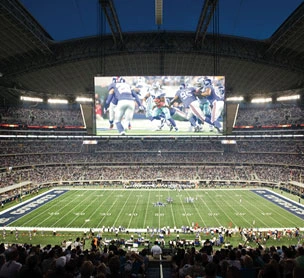
As businesses and industries continuously elevate their visual presence, LED video walls have emerged as a powerful solution.the world of LED video walls in India, presented by Hawaii LED Screen.we delve into the cutting-edge technology behind LED video walls, shedding light on their functionality and distinctiveness in comparison to LED TVs. With a focus on simplicity and clarity, we aim to provide a professional yet accessible understanding of these remarkable visual displays.
Difference between LED TV and LED Video Wall
- Size and Scale: LED TVs are designed for personal use, with standard sizes ranging from 32 to 85 inches. On the other hand, LED video walls are designed for large-scale displays, starting from a few feet and scaling up to several meters in size.
- Seamless Display: LED TVs have bezels around their screens, causing visual interruptions when placed together. In contrast, LED video walls feature a nearly seamless display, creating an uninterrupted canvas for content.
- Purpose: LED TVs are intended for home entertainment, while LED video walls cater to public displays, commercial advertising, events, and exhibitions.
- Content Flexibility: LED TVs are best suited for fixed content, such as TV shows or movies. LED video walls can display dynamic content and can be used for live feeds, real-time data, and interactive presentations.
Applications of LED Video Walls
-
Advertising and Marketing: LED video walls are an eye-catching medium for brand promotions, product launches, and advertisements, grabbing attention in busy urban spaces.
-
Events and Concerts: LED video walls create immersive stage backdrops, enhancing the audience's experience with vibrant visuals and live feeds.
-
Control Rooms: In command centers and control rooms, LED video walls provide a comprehensive view of critical data and surveillance footage.
-
Retail Spaces: Retailers use LED video walls to create captivating displays, elevating the shopping experience and increasing footfall.
-
Hospitality: Hotels and resorts utilize LED video walls for dynamic signage, digital art, and information displays.
-
Education: In classrooms and auditoriums, LED video walls facilitate interactive learning and engaging presentations.
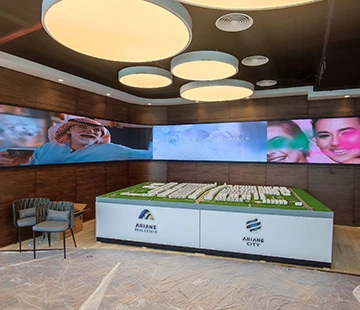
Today, we're going to talk about something truly fascinating – LED video walls are huge, high-definition screens that effortlessly display captivating advertisements, interactive displays, and helpful information in public spaces all over India.
LED video walls are like the superheroes of modern advertising and customer engagement. They're popping up everywhere – in malls, airports, busy streets, and even hospitals. Their mesmerizing displays demand attention and leave an imprint on your memory.
First things first, let's talk about the power of captivating advertisements. With LED video walls, businesses have found a new way to catch your eye. These vibrant and seamless displays showcase products and promotions like never before.
LED video walls also excel at making our lives easier. You know that feeling when you're in a massive mall, and you have no idea where your favorite store is? LED video walls got your back! They provide clear and interactive wayfinding information, making navigation a breeze. No more getting lost in a sea of shops – these displays will guide you right to where you need to be.
LED video walls create interactive displays that invite you to participate. Whether it's playing games, exploring virtual showrooms, or even customizing products, these displays turn everyday experiences into extraordinary adventures. It's like having a digital playground at your fingertips!
the wonders of LED video walls brought to you by Hawaii LED Screen! These awe-inspiring displays are changing the game for businesses all over India. They're taking advertising to new heights with their interactive magic.
If you want your business to stand out, it's time to embrace the power of LED video walls. Let's light up the world, one LED video wall at a time.