

Blog
An LED dance floor is unquestionably a new age revolution when contrasted to the illumination from the preceding disco era. LED dance floors are now used for a variety of events, including stunning weddings, thrilling nightclubs, thrilling concerts, shopping mall events, and much more, thanks to their shockingly rising popularity. To accommodate the expanding demand of the international party scene, professional LED dance floor companies put forth enormous effort in both technical development and entertainment. Learn more about LED dance floors and their price by scrolling down.
An LED dance floor is what?
A dance floor with coloured panels or tiles is referred to as an illuminating dance floor, LED dance floor, or a disco dance floor. Modern dance floors are lit with coloured LEDs. Red, green, and blue LEDs are often used to produce a wide colour spectrum, and the floors are normally built of solid-sided square cells with a tiled top made of borosilicate glass, acrylic glass, or Lexan. The roof diffuses the light providing a consistent tint despite the bottoms and sides reflecting the light. The floor could flash and display different patterns when controlled by a computer. A column of panels or a square grid of panels share a control module.
The control modules are often connected to the PC using USB cords. USB hubs handle fan-out to a group of control modules, extending the range that can be covered. Future cabling and control are made much simpler by connecting the controllers to one another. Similar to those seen on a dance mat, the tiles might also have pressure sensors so that the music and other effects can change in time with the pattern being presented.
What Distinguishes LED Dance Floors from Conventional Dance Floors?
The fact that LED dance floors may be completely customised is what I find most astounding. The majority of event organisers are ecstatic to employ an LED dance floor since it raises the level of elegance throughout the entire event to new heights. Given that the flooring is digital, it's crucial to keep the party's theme in mind. One may create a look with LED flooring that is as distinctive as they choose. At dance events, people unwind frequently lose their equilibrium. The LED floor illuminates the floor below for improved visibility. By correctly illuminating the visitors' path, you can protect the tourists when you use lit flooring.
If individuals really want to make the event stand out, LED dance floors are the way to go. They are distinctive and establish the mood for the whole evening. It makes a wonderful first impression and is also ideal for accent lighting.
The surface of an LED Dance floor has an astonishingly lengthy lifespan because of the robust, high-quality materials utilised to construct it. Large dance parties benefit greatly from the excellent load-bearing capability of integral aluminium constructions.
Separate links connect each panel to the one after it. As a result, you just need to take apart the damaged panel in the event that one of the panels malfunctions rather than wasting time checking the complete heavy chain.
What to Take Into Account When Selecting an LED Dance Floor?
A range of sizes and designs of dance floors are available for occasions. There are many options available whether organising a simple, intimate ceremony or a lavish birthday event. Consider the following factors while choosing the dance floor for your upcoming event.
Safety
Always, it should be your top priority. The truth is that there are risks associated with every physical activity. The floor is the best barrier against hurt dancers. It is important to check that the floor is safe for twists, leaps, and other activities while also being easy on the joints.
A led dance floor's materials
LED Dance floor are available in a range of materials, including hardwood and faux marble. Hardwood, vinyl, and LED faux marble flooring are some of the most popular choices.
Dance floor dimensions
The size of the LED dance floor is another important factor. Looking at the guest list is the quickest way to determine this. Determine how much space is required on the LED dance floor for people to spread out. A typical rule of thumb is that at any one time, over half of the guest list must be present on the LED dance floor.
Conclusion
LED dancing floors are a great option for injecting some fun and glitz into a gathering. They provide a floor area that may be lighted in any hue desired and coordinated with the event's theme. LED dance floors offer a spectacularly exciting experience for small, medium, and large events. A spotlight shining a message, logo, or emblem in the middle of the floor to dazzling the audience could add some flair to the occasion. Knowing the average cost of an LED dance floor allows you to rent the best option for your event and specific needs, all while staying inside your budget.
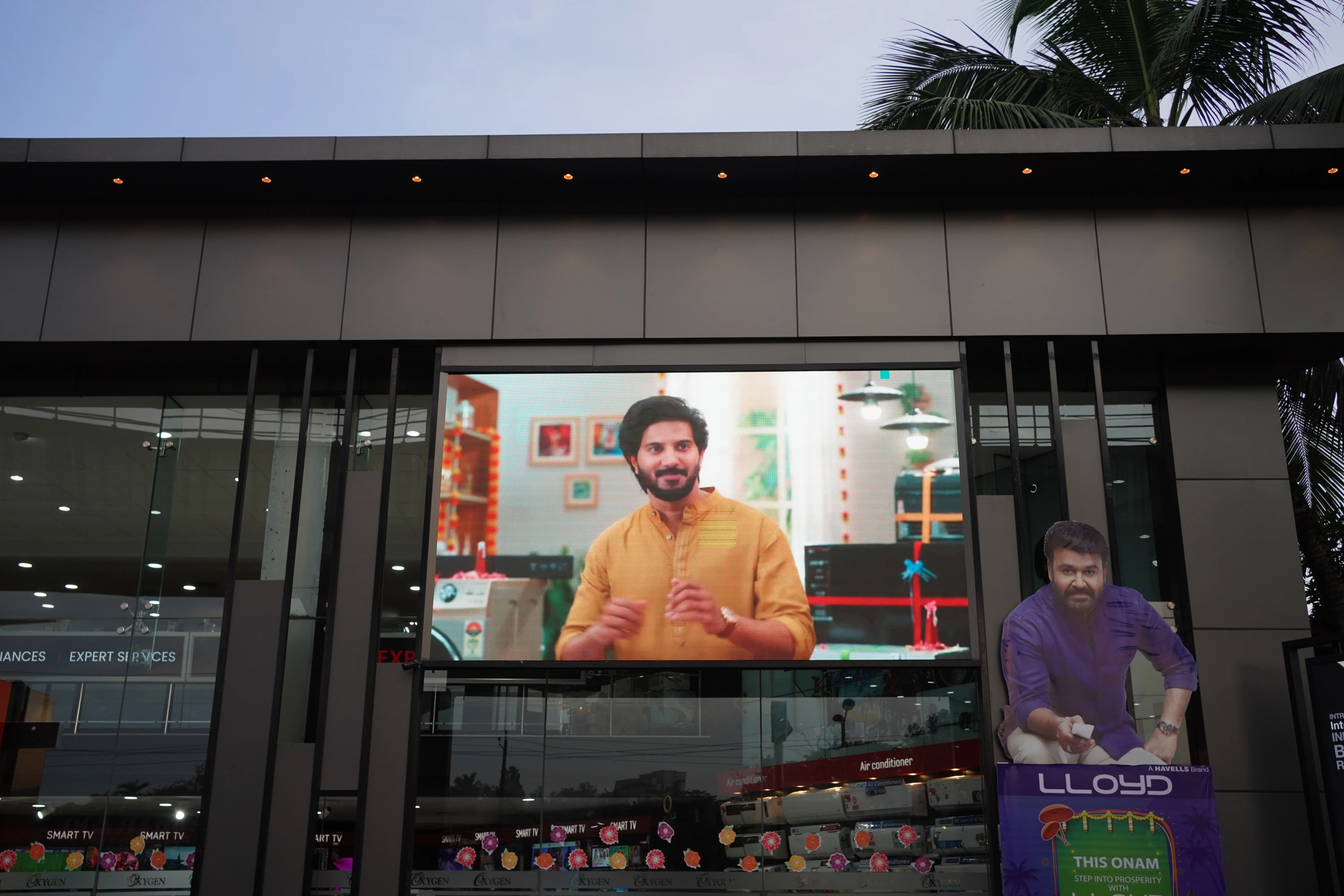
The most recent technological innovations that have recently been incorporated into our daily lives are LED screens. Technology nowadays is a rapidly expanding phenomena that leads to numerous advancements across a wide range of human endeavours. Only a few examples come to mind: media, communication, transportation, and health care. Our homes, places of employment, and now even the streets of our cities are filled with screens. This emerging technology's products, LED panels, are progressively gaining popularity as a display option. You've come to the correct site if you're thinking about buying an LED screen and are inquisitive about the factors you should consider.
Various uses for LED screen panels include showing commercials, sporting events, concerts, etc. A flat panel display technology is the LED display . According to customer needs, both indoor LED screens and outdoor LED screen are frequently chosen items. LED screen panels are frequently chosen for commercial applications since they are efficient and up-to-date display technologies.
A green way to display is with an LED screen. These days, there is a lot of interest in sustainability and environmental consciousness. LED screen panels, the newest kind of showing, improve both aspects of our existence. You can see how many changes it provides to the displaying industry by contrasting them with the outdated screen technologies. Purchasing LED screens has many advantages, including being energy-efficient, displaying images of exceptional brightness, being simple to install, durable, lightweight, and long-lasting. Consider purchasing an outdoor weatherproof LED screen if you intend to install your LED screen outside.
A green way to display is with an LED screen. These days, there is a lot of interest in sustainability and environmental consciousness. LED screen panels, the newest kind of showing, improve both aspects of our existence. You can see how many changes it provides to the displaying industry by contrasting them with the outdated screen technologies. Purchasing LED screens has many advantages, including being energy-efficient, displaying images of exceptional brightness, being simple to install, durable, lightweight, and long-lasting. Consider purchasing an outdoor weatherproof LED screen if you intend to install your LED screen outside.
LED display boards for traditional advertising
As we all know, digital sign boards are frequently a customer's initial point of contact with a business. Their utilisation aids in the creation of an initial impression and the growth of awareness in a potential client's thinking. Strategically placed digital signage also contributes significantly to increasing retail sales and turnover.
The advertising LED display screen is a fantastic solution to take into account if you have recently started your business and are experimenting with various strategies to attract customers as quickly and affordably as possible. In comparison to traditional advertising mediums like newspapers, television, and radio, digital sign boards offer a relatively cheap cost per impression, and this tactic has shown exponential progress in driving sales.
This method also has a very cheap overall cost. Its upkeep is not particularly expensive, and the content may be changed every day or every week by just switching out the slide layouts. Consistent content updates will increase sales of your products or services since customers will believe you are actively promoting your business.
By simply placing an LED screen, you can draw customers and significantly increase foot traffic to your establishment. By include movement in its design and frequently changing the message with a straightforward programmable LED sign, you can make your sign more visually appealing and inspire people to interact and engage with it. Customers will find the sign more enticing as a result. Your marketing objectives will be greatly helped by focusing on the vehicle traffic on key roads and highways with LED display screen panels or digital billboards.
In order to attract new customers, a number of well-known businesses invest the majority of their marketing budgets in digital LED Screens. If you are familiar with the suitable methods for promoting LED screen board, you might achieve the identical outcomes. With the help of led screen from hawaii LED, your company can speak directly and personally with potential customers as they pass by your location. Additionally, it aids in making your business a landmark in the neighbourhood.
When you utilise offline marketing tools like LED screen to display your content in busy areas, customers are more likely to interact and learn more. The recipient will at least become aware of the company's goods and services if they receive a brochure or an LED screen that is regularly seen. Get in touch with Impact LED Screen right away for additional details on an LED advertising display screen!
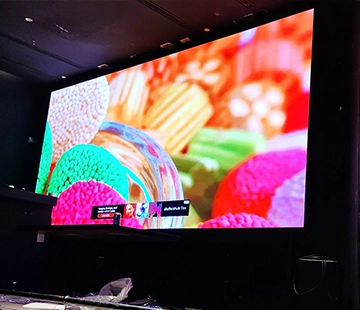
There is no quicker way to express what you want to say or some information than using visual representations. You can rapidly communicate your dreams with the person in front of you using LED devices, and you can even share amusing situations. You can rapidly grab the audience's attention by putting on an LED screen wall and playing a movie scene or occasionally unexpected effects.
Our company produces LED screen Display that are especially built for interior use. These LED screen feature at least 1-2 large walls, are embellished with visual effects, are light enough to be hung in high resolution and conventional pixel intervals, and are incredibly thin. We promptly complete the installation of LED screen wall .We take great pride in providing prompt, high-quality services to visitors from all over the world, whether they are at sporting events, fairs, concert halls, museums, educational institutions, or huge retail centres.
Our devoted customers like you will receive clear, high-resolution, bright images from LED screen wall both indoors and outside. Thanks to the massive LED display, it is one of the greatest, most unexpected, and effective techniques of advertising, especially in high-traffic outdoor areas.
LED display screen offer a clean picture without being impacted by sunlight and are adaptable to various climatic situations. Without making a distinction between day and night, an automatic control panel system regulates its brightness and resolution.
One of the top businesses in the globe, hawaii LED, works in accordance with your preferences and offers high-quality service from the production to installation stages. You have come to the proper location if you want your advertisements to be seen continuously. As a vendor of modular LED display screen, you may effectively draw customers' attention to your products by promoting them with eye-catching effects.
Prices of LED Screen Wall
Cost must be taken into account when selecting LED screen walls. Numerous factors affect how much an LED screen walls costs. However, in general, the price of a screen increases with screen size. The cost rises as more processors are required to attain better resolutions on larger screens. Additionally, more infrastructure supporters and even more supporters are needed as the cost of LED screen walls rises.
The Essential Component of LED Screens Today's Price of LED Screens on Wall
Virtual environments are typically created using LED wall screens. In many fields today, combining a number of fast changing images with a variety of visual effects and projecting them to LED screen wall is used. LED systems have countless benefits.
LED screen on the wall! These are the locations where advertisements are displayed in the best possible light, although they are not the only ones. For instance, the constant scrolling of adverts for food and drink with various contents at a cafe influences people's perceptions greatly. Contrarily, displaying fresh movie posters on LED boards, which are typically distributed at bus stops, encourages people to visit the theatre. Or, you can create an interesting ambiance in a company by simultaneously projecting the same content on many walls.
If you are a business owner, using a video wall display to convey your messaging will be very impressive to customers and is the fastest approach to achieve your desired sales figures.
Consumer behaviour is changing in the post-pandemic environment, with people spending less time online and more time offline. Reaching their target consumers is a challenge for entrepreneurs and marketers.

There is only one easy way to fix this: use the current LED screen in our company/showrooms to leverage the power of digital signage.
What makes LED screen so crucial?
Sales have reportedly increased significantly for 80% of firms using digital signage, most frequently as a result of impulse buys.
LED screen has also been shown to cut perceived wait times by more than 35%.
Audiences outside of their homes can be reached by LED screen. For a number of years, it is anticipated that this aspect of advertising will expand.
Due to the fact that consumers are more frequently on the go, new contact points are needed to connect with them when they are out shopping.
LED screen enables adaptable marketing to keep a business relevant in today's fast-paced environment where information changes every minute.
Keep in mind that digital signage shares two characteristics with traditional signage:
a clear objective for your company
A direct communication to consumers
The following are best practises for using LED screen:
Describe your goals.
Determine the goals that LED screen must achieve.
Inform
Increase sales Engage
Make your point really clear.
Draw attention to your brand using imagery
deliver helpful information and offer straightforward calls to action
Limited-time deals and location-based messaging
Regular sales
Put some individuality into it
Make a statement with a striking design.
GIFs, GIFs, high-quality video, and eye-pleasing hues
Use your brand's colours and logo, please.
Decide on a tactical site
Distance-based readability
In a busy atmosphere, stand out
Position yourself near busy areas
Use several screens to reach more people
sending the appropriate message at the appropriate moment
Business owners should have the freedom to change marketing materials as quickly as attention spans allow in order to enhance rather than detract from the client experience. With LED screen, you can alter every aspect of your marketing collateral so that it reaches clients with relevant information when they are most receptive. The following are some things marketers can do with user-friendly digital signage software:
sending the appropriate message at the appropriate moment
Business owners should have the freedom to change marketing materials as quickly as attention spans allow in order to enhance rather than detract from the client experience. With LED screen, you can alter every aspect of your marketing collateral so that it reaches clients with relevant information when they are most receptive. The following are some things marketers can do with user-friendly LED screen software:
With just a few clicks, you can easily upload your own presentations and have them shown on digital signage both inside and outside.
The shift between captivating content and advertising for your goods and services should be seamless.
By scheduling promotions to run at specific periods when customers are most likely to engage, you can maximise your run times.
Determine which styles and types of content your clients find most appealing by putting them to the test.
Retailers can leverage their current LED screen to offer pertinent messages at moments when viewers are paying attention in order to meaningfully improve customer connections and drive sales.
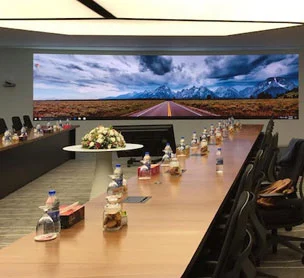
How to Improve the Appeal of Your outdoor LED screen advertising
Your opportunity to make a strong first impression on potential clients is through outdoor advertising. There are a few things you can do to make your outdoor LED screen advertising more eye-catching..
To draw attention, use bold typefaces and bright colours.
Keep your message brief and to the point. A statement that is brief and to the point is more likely to be remembered than one that is extensive or complex.

When it comes to grabbing people's attention, a well-designed graphic can be equivalent to a thousand words.
In order for people to contact you quickly, don't forget to add your contact information.
The ideal hues for outdoor LED screen advertising
When selecting the ideal colours for your outdoor advertising signage, there are a few things to keep in mind.

First, you should choose rich, brilliant colours to make the most of your display's colour capabilities. Steer clear of WHITE!
Second, think about the meaning of the colours and how your target audience would interpret them. Choose colours wisely to support products and ideas because they have a tendency to provoke certain feelings or concepts.
Finally, you should make sure that the colours complement one another and function well together. These colours are excellent for drawing attention because they are highly conspicuous and can be seen from a distance.
Use the most compelling composition for material on outdoor LED displays.
Although digital billboards display an advertisement for about 15 seconds, the most effective ones should be watched in just three. Decide on your message and how to focus the audience. Make it brief.
The visual hierarchy of communication, or priority of the message, is the most crucial concept for developing successful outdoor content. Customers cannot simultaneously view four messages and comprehend them, nor can they simultaneously hear four communications.
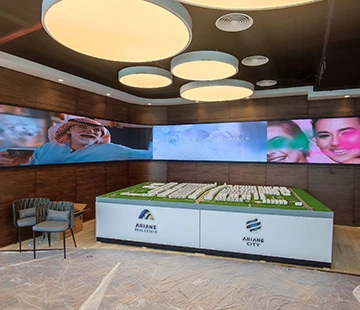
In addition to being widely used in homes, LEDs have also made their way into the business and commercial worlds. You'll come across countless instances where an LED screen is put to good use. In a wide range of commercial contexts, including airports, hotels, shopping malls, sports stadiums, educational institutions, transit systems, corporate management, and many other public places, LED screen are frequently employed.What additional benefits can employing LED screen or LED display have over more conventional LCD displays, as we have all read about how effective and long-lasting LED screen can be?
Before comparing LED and LCD displays, we'll first look at the advantages of adopting LED screen.
WHICH ADVANTAGES DO LED SCREEN OFFER?
Advertising displays frequently employ LED screen and LED display. They are quite adaptable, and you can mount an LED display almost anywhere, including on a wall, a pole, or even a roof. Although there are a lot of different things that LED display can be used for, they are typically utilised to broadcast useful information about a promotion, brand, or safety information.
HIGHLY RELIABLE TECHNOLOGY IS USED BY AN LED DISPLAY.
Technology used by LED screen is very dependable. Many people believe that LEDs are among the most remarkable technologies of the 20th century. Digital billboards, mobile phones, televisions, and Blu-Ray players all use LED display technology. Even in medical devices, LED technology is employed.
A LED display weighs very little.
Since LED panels don't utilise fluorescent lamps, they are relatively lightweight. As a result, installing them is simple. In addition, LED panels come in a variety of sizes, flat or curved, and forms to suit your demands.
WITH AN LED SCREEN, ENJOY HIGH-QUALITY REALISTIC IMAGES
You can enjoy excellent picture quality with an LED screen or LED digital display. It is possible to create photos of the highest calibre, with unmatched definition and colour range. You may also add lighting effects to your LED display to enhance the impact it has while also enhancing the image quality.
LESS ENERGY IS USED WHEN USING AN LED DISPLAY.
The fact that an LED display uses very little energy is one of its biggest advantages. Energy utilisation is incredibly efficient with LED technology. An LED bulb uses ten times less energy than an outdated incandescent bulb.
An environmentally friendly LED screen
Environmentally Friendly LED Screen
We've all grown to be very concerned about the environment, therefore it's critical for businesses to practise as much environmental prudence as possible. You can lessen the environmental impact of your company by cutting back on energy usage.
There are more ways that LEDs are environmentally friendly. For instance, because they last longer, less material is used to make them. Both maintenance and repairs are less frequent. LEDs produce incredibly little heat and no UV or infrared radiation.
THE SIZE OF AN LED SCREEN IS UNLIMITED.
Making media smaller is typically not a problem, but producing large amounts of it frequently presents challenges. The size of an LED screen is irrelevant because multiple LED panels can be used to present your advertising messages.
A LED display may last a very long time.
The best LED screen should last far longer than the competition. Let's contrast the lifespan of an LED sign with that of other frequently used lighting sources to illustrate this:
Neon tubes: 30,000 hours of use
Fluorescent bulbs have a lifespan of about 3,000 hours.
LEDs have a 50,000-hour lifespan, potentially even double that.
LED SCREEN AND GREAT VIEWING ANGLES
With LED screen, you don't have to worry about the viewing angle because you always have the best one, no matter where you are.
THE RESPONSE TIMES OF LED DISPLAY ARE SHORT.
LEDs require almost no "warm-up" time (response time). For instance, a red indicator LED can reach full brightness in less than one microsecond. Even more quickly reacting LEDs are employed in communications equipment.
LED SCREEN PROVIDE MINIMAL EYE STRAIN
LED screen cause very little eye strain.
Your eyes will not have to work as hard since an LED screen, display, or monitor generates an image that is flicker-free. This translates to less headaches, eye strains, and eye fatigue.
Using LED screen is extremely secure and safe.
An outdoor LED sccreen can be installed without any form of protection. LED screen are sturdy enough to withstand some degree of vandalism and are waterproof, dustproof, visible even in full sunshine, and waterproof.
LED display are simpler and less expensive to maintain.
Since LED display are dust-proof, water-proof, and corrosion-resistant, they require substantially less maintenance even when used outside in harsh weather conditions.
A LED SCREEN ULTRA-HIGH LEVELS OF CONTRAST.
Compared to other types of technology, LEDs are significantly superior in reproducing a wide range of colours. More than fifteen million different colours can be seen on a full-colour LED panel.
ULTRA-HIGH REFRESH RATES ARE POSSIBLE WITH LED SCREEN
An LED screen has an unmatched refresh rate.
PROGRAMMABLE LED SCREEN
An LED can be turned on even if you are not standing right in front of it. Since you can programme an LED display from anywhere in the world, it doesn't matter where you are. However, you will need a gadget and a strong internet connection.
USE AN LED SCREEN TO FASTEN BUILD DESIGN AND INSTALLATION
LED displays will help your business because they have an excellent return on investment (return on investment). They have a long lifespan and are fairly priced.
WHAT ARE LED DISPLAYS' BENEFITS OVER LCD DISPLAYS?
For a number of reasons, LED screens frequently outperform LCD monitors in comparison.
LED displays are energy-efficient.
The environment is better off with LED screens.
LED screens produce significantly superior images.
The colour palette is more vivid.
The dynamic nature of contrast
For additional information on why you should prefer LED screens over LCD ones, see our comparison of LED and LCD displays.
CONCLUSION
The benefits of LED displays in terms of quality, environmental friendliness, flexibility, and more have been discussed.
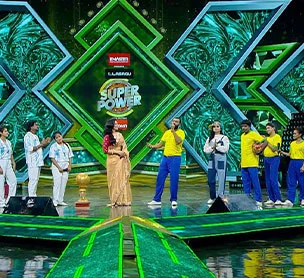
The most effective technique to draw customers' attention to your business is with an LED display screen. You may stand out from the competition and carve out a niche in the competitive market by using optimal LED display. They aid in spreading the word about your enterprise, as well as your goods and services. Additionally, it contributes to the development of a distinct brand identity in customers' eyes, which encourages them to enter the business. In today's technologically advanced society, LED screen are a need. A superb reaction can be distinguished from a fair response by an LED display. We go into how LED display boards promote business expansion in this blog.
What is the efficiency of LED display?
Numerous studies and surveys have demonstrated that LED display can successfully increase the business by 15% to approximately 150%. They have an unrivalled capacity to pique clients' interest and spread awareness. They are a great enhancement to customary displays and signboards. They do more for your company than just allow you to employ LED displays to advertise your newest goods and services.
Your target market learns about your new products and the unique pricing you're offering in this method. Additionally, the eye-catching LED display actually encourage customers to enter the store and inquire about the newest goods or services. By doing this, you can establish a solid brand identity with your target market.
The benefits of using an outdoor LED screen
A business is typically placed in a prominent area, such as a bustling market or a large thoroughfare that is frequently travelled by pedestrians. Your target market is essentially present in these locations, which are typically filled with eager customers and window shoppers. It is essential to raise awareness about your company among the target audience in this crowded market where you are up against fierce rivalry from your rival. Your target market needs to be aware of your company's existence and what you have to offer.
Installing outdoor LED screen outside your business is the ideal approach to draw attention to your presence. People and bystanders are forced to pause and take notice by LED displays. As a result, you are able to promote both your company and the goods or services you provide. An LED screen is the perfect technique to promote your unique sale offerings if you are conducting special promotions.
People will recognise your brand more readily when they have a connection to it, which increases the brand's identity and value. Outdoor LED screen are a great way to entice customers into the store and subtly influence them to make a purchase.
Customizable
The main feature of LED screen display in hawaii LED is their ability to be fully customised to meet the shifting needs and requirements of the organisation. Companies' LED screen can come in a variety of colours, sizes, patterns, and shapes. Because of the flexibility that LED display offer, organisations can select exactly the options that they need from a vast range of choices.
Businesses can react to the newest market trends in advertising and brand development by customising LED screen. By doing this, they may connect with a far wider range of clients and meet the diverse needs of their target market.
Businesses need more flexibility in their advertising due to the increasing digitization, and LED technology has given them this freedom for both indoor and outdoor advertising . Furthermore, LED display guarantee durable indoor and outdoor usage for a long time. This has made it possible for businesses to get the full rewards of using LED screen. LED screen or displays can also be easily adjusted to meet the shifting demands of businesses.
LED Screen for Outdoor Advertising
Outdoor LED screen products demand more sophisticated production processes and quality assurance. because more advertising time is used on the display panel. Lamp beads have a longer lifespan and experience less chip age issues. Make sure the product quality is reliable.
Effective and Creative
The message is more striking, easier to understand, and stays in the mind longer when it is displayed on a large screen, which also draws attention. Utilizing these contemporary media will enhance your reputation and assist you to advance quickly in your field of endeavour.
Sustainable and Affordable
An LED screen can last longer than any other form of media (more than 10 years). The displayed message is easily, rapidly, and cost-free modifiable. The annual savings on paper are enormous!
Resistant
Our particular kind of outdoor LED screen has an IP65 rating, making it resistant to the harshest weather elements including water, dust, and heat. The indoor displays are extremely well protected thanks to their IP54 rating.
Modular
With the use of LED technology, there are no restrictions on size or shape; it can be customised for any purposes and circumstances. Even some of our screens can be moved around and removed to react to particular situations.
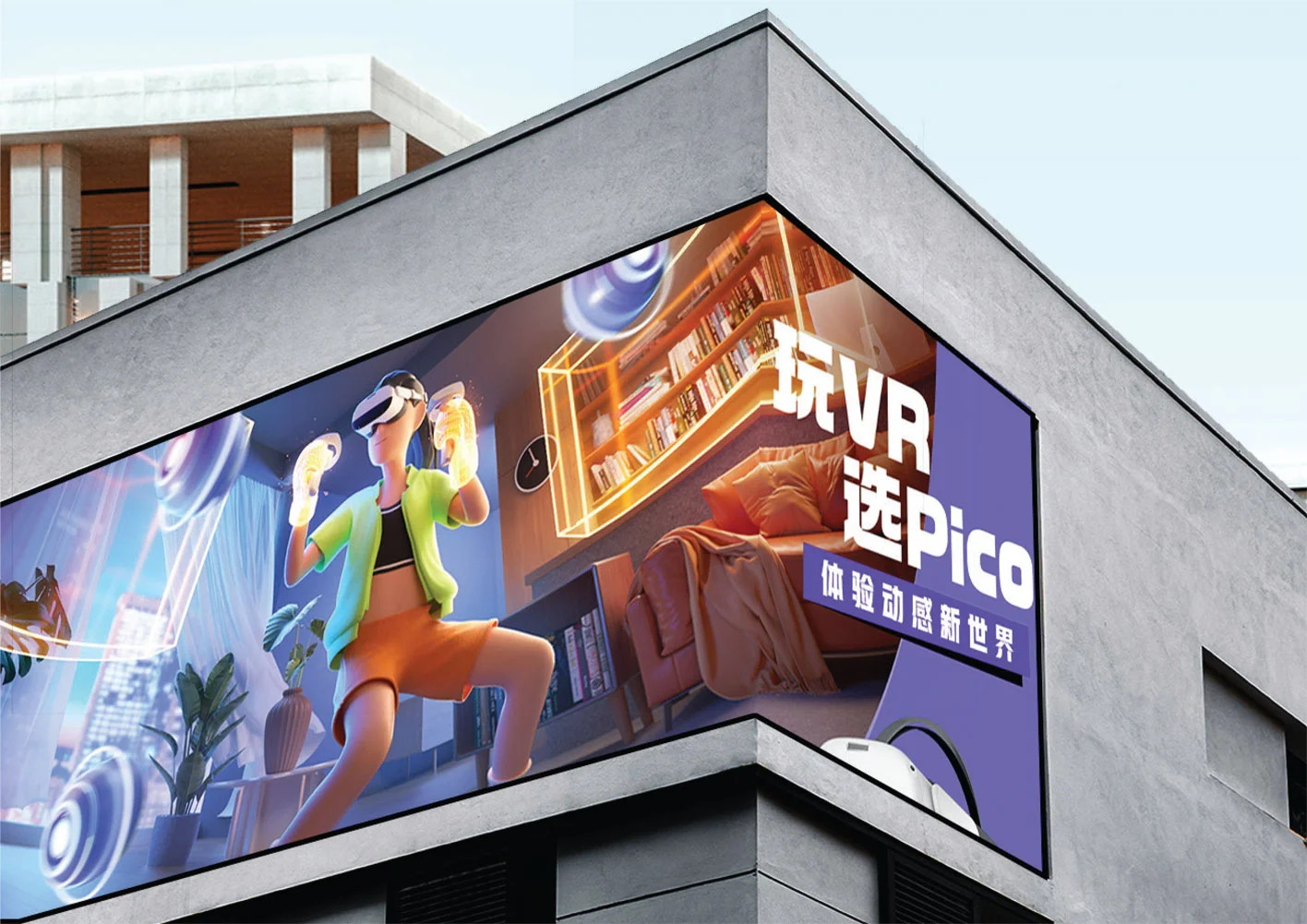
LED video technology has recently benefited outdoor advertising as well. The enormous LED panel offers for improved visibility and distribution flexibility. We are promoting a line of video billboards made specifically for LED billboard display. These LED-type displays are offered with a minimum surface area of 1 m2 and a minimum pitch of 2.8 mm. These enormous LED displays are more resistant to climatic aggressions than any other product because they are entirely composed of aluminium and are IP65-rated.
Finally, we provide a complete turnkey solution that includes a totem or design structure that is created to order and can be customised, as well as the entire system for managing and updating remote advertisements for outdoor or interior use. Our LED screen technology advances, a greater range of applications and a higher commercial value become possible. To satisfy customer expectations, we continue to create cutting-edge goods and can offer more premium Outdoor LED Displays. We export and make goods all over the world. High-end components are used in the design of our displays to ensure minimal power consumption and maximum lifespan. We ensure flexibility and convenience of distribution in addition to offering a variety of outdoor LED displays that are at the forefront of LED type technology. Feel free to get in touch with us.
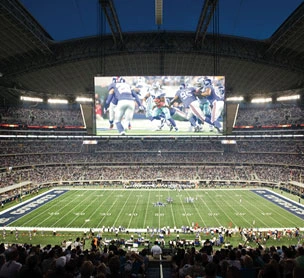
Due to their high durability, adaptability, brightness, and ease of installation, outdoor LED screen are now a common sight along roads, at athletic venues, and on the sides of buildings. LED displays are now often employed in indoor environments because to advancements in technology. The fantastic indoor LED screen experience for viewers is made possible by shrinking pixel pitch, which also enables high quality resolutions, bezel-free designs, screens in a variety of forms and sizes, and the capacity to show high brightness.

Let's talk about some of the ways indoor LED displays may dominate the indoor signage space before we go into the technical details.
updated applications
Indoor signage has shifted from being dominated by LCD panels to being dominated by LED displays.
- Merchandising display in stores
- presentations of information in public spaces
- exhibits in the conference room
- In control rooms, displays
Massive indoor digital screens up to 216 inches can be produced by LED display makers! These screens use modular construction techniques, making them simple to carry, install, and maintain in contrast to LCD signs, which require removal from the mount for maintenance and worry about the screen cracking from little bumps.
High contrast digital screens on digital displays have transformed teaching by offering a very engaging experience. LED displays offer far superior brightness compared to more conventional options like projectors without the need to reduce the lights, ensuring that everyone can see the show properly.
As a backdrop for movies and television shows, "green screens" are being replaced with LED displays in the field of video production. The LED video wall provided crucial backgrounds during the production, which also aided performers in becoming fully immersed in their characters. Additionally, changing sets took only a short amount of time.
The initial cost of these installations is high, but since you won't need to transport your complete equipment everywhere, it can easily be justified. Another thing to keep in mind when using large LED screens indoors is to maintain the air conditioning strong because the heat produced by these displays may be fairly evident and may have a detrimental impact on the user experience. However, this can also be avoided by purchasing LED displays that employ common-cathode technology, as will be described later.

Comparing common anodes and cathodes
With time, the indoor use of LED displays has advanced thanks to the LED screen industry's solutions to every problem that has previously slowed it back. The construction of the LED itself was a significant issue because each individually packaged LED has two terminals: the anode, which is connected to the positive voltage in a circuit, and the cathode, which is connected to the circuit's negative voltage. The majority of indoor LED displays use a common-anode configuration, in which all packed LED anodes are interconnected. Different voltages are needed when using different coloured LEDs. Therefore, when a common-anode design is employed, some colours receive more voltage than is necessary, resulting in energy loss and increased heat production.
By using a common-cathode architecture that joins the LED cathodes, many of these problems can be solved. Dual power supplies are employed in a common-cathode design, giving each LED only the voltage it needs. This leads to a 15–30% decrease in power consumption, which also lowers the rate of failed pixels. Additionally, the operating temperatures drop in line, minimising the heat problem related to indoor LED displays.
overcoming some lingering obstacles
Because common-cathode technology now accounts for only 10% of the indoor LED display industry and is more expensive than common-anode technology, change is likely to be gradual. The common-cathode LED supply chain is still in the early stages of development.
Although common-cathode displays' two power supplies aid in energy savings, the PCB design is complicated. Additionally, several patents are a hindrance to the visual performance of LED displays using this technology. These issues deter makers of digital signage from pursuing common-cathode technology. But given the potential for new indoor uses, common-cathode displays are probably going to become more popular.
A digital image's colour and contrast can be enhanced with the help of a technology called high dynamic range, or HDR. In HDR video footage, different exposures are used to capture each scene, which are then combined to create a single recording that produces a brighter video. Research indicates that the market for sub-1.0mm super fine pitch screens will grow to 75.53% in 2021. Vendors are attempting to raise the visual quality of common-cathode solutions and secure patents in response to the growing demand in order to overcome these difficulties and clear the way for new technology to be applied in effective indoor LED screen systems.
Nowadays, advertising LED display screen has many great advantages for enterprises. High-definition LED displays are being used by savvy business owners to leave a lasting impression on potential clients. LED screen are now a crucial component of contemporary advertising in the age of internet marketing. These boards are available anywhere in the world. The enormous LED column wraps at the Dubai airport's arrivals are a fantastic illustration. The colourful, dazzling displays immediately grab onlookers' attention. Let's look at the key advantages of advertising led display screen.

A strong, compelling, long-lasting impression that is immediate
How can you quickly capture the interest of potential customers? You can have an immediate, strong impression on people by using LED display. A well-designed LED screen captures viewers' attention.
These exhibits immediately capture people's attention. You can utilise LED displays to grab the attention of as many people as possible when promoting your business or holding an event.
Premier manufacturers and suppliers elevate your marketing initiatives by providing a comprehensive selection of LED displays and screen goods that are specifically designed to be bright, emotive, and lively. In this intensely competitive advertising industry, it is challenging to stand out. LED screen are incredibly effective in grabbing people's attention, leaving a strong, long-lasting impression on a huge audience.

best possible return on investment
LED display screen simply need minimal upkeep. These displays are impressively durable. They are long-lasting and effectively withstand wind, rain, and other harsh elements of nature. Building static billboards costs a lot of money. Digital LED billboards or displays, on the other hand, have no production costs. The computer-generated artwork is then The LED software package allows for the upload of displays.
LED display enable you to make significant long-term financial savings due to their low maintenance requirements, exceptional durability, and remarkable cost effectiveness. You can get a good idea of the unmatched resilience and appeal of the most cutting-edge LED display now on the market by taking a look at the curved led display installation in sports stores in Dubai. Overall, LED display provide the highest return on investment and the best value for your money.
Excellent energy efficiency and environmental protection
You may send a clear message about the need to safeguard the environment by using advertising LED display screen. The environment is not harmed by LED screen. These adaptable screens also have great energy-saving capabilities. LED advertisements are well known for their energy efficiency.Energy use on screens is kept to a minimum.
improved command over your advertising messaging.
LED screen provide complete control over the advertising messages and produce excellent outcomes. Any time you like, you can send a message to a particular group of people. Any messages you want to show can be displayed on an LED display. Storefront companies may rapidly attract passersby and impulsive consumers with flash sales and unexpected discounts.
The concept of advertising has advanced thanks to digital advertising technology. These LED displays can be controlled remotely using a straightforward Wi-Fi connection. You can control as many screens as you want with a few mouse clicks.
If you have an advertisement that speaks to your audience exactly in one area and want to test it out in another, you can do it with ease and comfort. Simply upload the content to the display's backend to begin displaying in a new location.
Advertising on LED display screens provides opportunity for original content. Throughout the day, you can shuffle messages whichever you like. To make a message more appealing and persuasive, it might be presented at different times. LED screen are a great option for effective brand promotion since they offer several chances for rich information.
Due to these incredible advantages, LED screen are the most popular option for advertising worldwide. It's wonderful how adaptable these screens are. Business owners have complete control over the messages they send and how they are presented. They can be used without concern about cost even in adverse surroundings. LED screen generate a fascinating and long-lasting impression on visitors, which makes your advertising efforts much more effective. You may quickly spread your message to new audiences and expand your clientele at a reasonable cost.
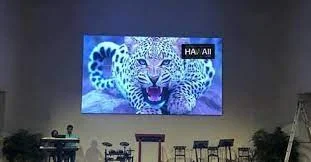
In recent years, advertising LED display screen have become more and more prevalent; you can now see them practically anyplace. They are employed for data presentation, instruction, and product or service promotion. To be fixed by specialists through appropriate inspection and maintenance, the screen will experience a variety of defects and losses throughout the process because it is an electronic piece of equipment. In general, there are two different forms of maintenance: front maintenance and back maintenance. I'll explain the distinctions between front and back maintenance of advertising LED display screen in this article.
The front LED display screen maintenance
Typically, there is limited room within the structure; therefore, wall-mounted installation is chosen. The display cannot be disassembled for maintenance every time if it is installed on a wall or roof. Consequently, a front access system is required for the screen. The front maintenance of an LED display is blended with the surroundings to lower the structure's overall thickness. Although saving space is the main goal, this type of congested setup frequently degrades the device's ability to dissipate heat.
the rear LED display maintenance
There are door-like openings in the rear maintenance of an advertising LED display screen that allow for simple access to the screen's interior components. The most typical type of maintenance is found in both indoor and outdoor advertising LED display screen . This type of upkeep is easier and more effective. Employees typically find it simpler to access and repair huge LED displays that are installed on the building's façade from the back side.
The distinctions between front and back LED display maintenance
By this point, I'm certain that you have a good understanding of the differences between the two types of maintenance strategies. Let me describe the most typical ones for those of you who are unaware of them. Front maintenance is advised when there is no space behind the LED screen. Your particular needs and the position of the screen will decide the type of maintenance you select.
What are the differences between the front maintenance LED screens' installation requirements and the rear maintenance LED screens' installation requirements?
In situations when there is limited room to enable maintenance access, front-end maintenance is typically preferable. Then, for front maintenance, we must supply a front maintenance access system, including, but not limited to, a system with a "Lock" mechanism, a system with front screws, and a magnetic system. When utilised outside, the rear maintenance LED screen's access mechanism needs to be built to prevent water leaks.
Excellent supplier of advertising LED display screen that you shouldn't miss:
Finding a great supplier of LED advertising display screen is difficult, but if you do, it will be beneficial to you in a number of ways. What factors need to you take into account while choosing a supplier? Let me highlight a few things you should think about when selecting your supplier.
The supplier ought to have plenty of experience.
The provider must produce high-quality goods.
The provider ought to offer a variety of goods.
Anywhere you live should receive speedy goods delivery from the source.
A group for research and development should be present at the supplier.
Given the aforementioned considerations, hawaii LED is the best option for purchasing LED display boards for advertising. Numerous goods are produced by HAWAII LED , including both indoor and outdoor LED displays. Allow me to illustrate with the aid of a specific example, the NIC series, so that you may better comprehend our service (Indoor fixed). It is a specially made indoor LED display that is mostly used for displays. The item contains a tonne of incredible features, some of which are listed below:
With a maximum bending angle of 30 degrees, the flexible module
0.95 metres is the minimum arc diameter.
Individualized advertising LED display screens can be formed into a variety of designs, including cylindrical, stepped, and desk-style displays.
simple to setup and keep up
The smallest pixel
Please get in touch with us if you'd like to purchase dependable LED display screens for advertising.
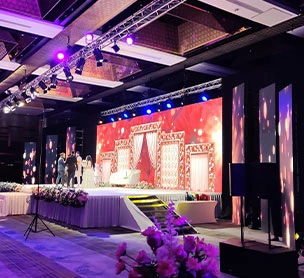
How can determine the ideal viewing distance for an advertising LED display screen?
The ideal distance that enables the viewer's eyes to construct a clear and distinct vision of what is exhibited is referred to as the best viewing distance for an advertising LED display screen. Therefore, in order to select an appropriate advertising LED display screen board, you must be aware of the fundamentals of viewing distance. To assist you in making the best decisions, refer to this fast overview of viewing distance.
Why Take Viewing Distance into Account for LED Displays
When selecting a suitable LED display and figuring out its ideal height, viewing distance is crucial. Additionally, choosing an appropriate pixel pitch for an advertising LED display screen board is made possible by viewing distance. You could say that the pixel pitch uses the viewing distance as a reference. The spacing in millimetres between each LED cluster found on an LED panel is essentially what is meant by the term "pixel pitch." Choosing an appropriate viewing distance and pixel pitch are essential since they directly relate to resolution to create a defined image.
Viewing distance and screen size relationships
The size of the screen and the viewing distance are crucial factors in selecting the pixel pitch for a suitable resolution, it is necessary to mention. A rough estimation of the minimum viewing distance can be obtained by selecting your target market and the position of your advertising LED display screen. For instance, a shop's exterior wall has a mounted advertising LED display screen in an area with heavy car traffic but little foot activity. The viewing distance for this screen should be 8 metres because the target audience in this situation is mostly motorists.
Similar to this, the overall screen size is also crucial since, regardless of the screen quality, a larger screen has a greater influence than a smaller one. Furthermore, from a given distance, all pixels will appear the same regardless of their pitch. Therefore, viewing distance is essential for projecting a sharp image onto an LED panel.
LED viewing distance variables
As was before discussed, pixel pitch describes the separation between consecutive LED clusters on an LED screen. For a finer pitch, viewers can look attentively at the screen without spotting the individual LED lights. On the other side, the minimum viewing distance increases at a higher pitch. According to a common rule, an effective viewing distance equals 10 feet for every millimetre of pitch. Additionally, the entire experience is destroyed when individual LED lights become visible at a distance closer than the minimum viewing distance.
Resolution: The resolution of the advertising LED display screen is extremely important because the LED display's top quality differs greatly from that of the LCD display. Since each LED display module only has a few hundred pixels—as opposed to thousands—it ultimately comes down to what is displayed and the proper resolution.
How Can the Best Viewing Distance Be Calculated for LED Displays?
Using this simple method, you can estimate the ideal viewing distance for displays of any size.
Minimum distance for seeing
The pixel pitch can be converted to metres to determine the minimum distance. 1000/1000 (Pixel pitch (mm)) For instance, an LED panel with an 8mm pitch requires 8 metres of viewing space.
The ideal viewing distance
Three times the lowest seeing distance is the ideal distance. (3000/1000 pixel pitch (mm)) If the minimal seeing distance is 10, for instance, the ideal distance is 30.
maximum distance for seeing
The height of the screen determines the maximum distance. (30 minus screen height) For instance, an LED panel that is 1 metres tall can be viewed from 30 metres away.
Remember that while the results of these calculations are appropriate, some people may still have trouble seeing the display because everyone's eyesight differs.
LED Display

Companies spend a lot of money on advertising LED display screen, thus selecting the best LED manufacturer depends heavily on variables like viewing distance and resolution. In addition, customer service and supply should also be considered. Despite the fact that some vendors might provide you with a cheaper quote,
We provides the greatest design, performance, quality, price, installation, customer service, and design. Its key characteristics include, but are not limited to, a range of cabinet size options, an ultra-thin and ultra-light design, and multiple installation methods. Its wealth of qualities make it the perfect option for an advertising LED display screen board.
Conclusion
Making informed selections about displays is made easier with the help of an important factor called viewing distance. In keeping with this,we continues to be among the top producers of LED displays globally, with experience in high-quality design, R&D, production, and distribution. To find out more about how picking the correct supplier will help your marketing effort, get in touch with us.
What does an advertising LED display screen grayscale look like?
If you're in charge of a business, you need to understand how advertising might be inexpensive but have little impact if done using inefficient techniques. Businesses do spend a lot of money promoting their goods and services. Who doesn't want to know the most reliable and successful form of advertising? Well, marketing has become much more straightforward and efficient as a result of the recently invented advertising LED display screen. But when choosing an advertising LED display screen, consumers blunder by disregarding the screen's grayscale.