

Blog
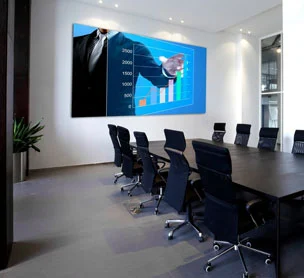
We provide a selection of LED screen with improved resolution. Regarding its services and products, there is commitment and dedication. The principal applications include van displays, curved video walls, outdoor advertising led display screen, and displays for outdoor use. To satisfy the goals of the clients, a genuine relationship is pledged.
Advertising led display screen

Leading suppliers and producers of excellent LED displays may be found in India. Excellent products should have a advertising led display screen. It has successfully penetrated the market and shown to be efficient in a variety of ways. In addition to being small and stylish, it also has other advantages.
When selecting LEDs, we first take the visual quality into account. Professionals take care of the situation and create panels that would display the greatest image from light-emitting diodes.
When selecting LEDs, we first take the visual quality into account. Professionals take care of the situation and create panels that would display the greatest image from light-emitting diodes.
India has excellent facilities for producing premium LED screens. Additionally, skilled and experienced engineers that work hard to create better products that meet consumer needs have authority over manufacturing. As a result, there is no reason for you to be uncertain about purchasing LED video displays.
Outdoor advertising has predominated. However, it can be used indoors without any special precautions. Th3 advertising led display screen panel is bright enough to be seen in 12 o'clock noon sunshine and is waterproof and dustproof. It can demonstrate its resilience to vandalism fairly well.
It also comes in any desired size and shape, which is an additional benefit. You decide on the shape, resolutions, size, and other factors.
There was a period when one would have wanted to combine many monitors to create unique shapes or big formats. However, modern LED technology is hassle-free and frictionless. The frame you choose can affect visibility and contrast. Another factor that makes it simple to use and install is display modularity. These features make the product ideal for promoting any type of content.
It has high-quality parts and is capable of reproducing many colour palettes that are appropriate for visibility; no other technology offers this kind of synergistic advantage. Since the products are durable and never break, they need no maintenance. It should be used and installed properly to provide 100k or even more hours of service.
You will learn about its dedication and commitment to marketing and producing LED products as you continue with the product research. It is frequently utilised both indoors and outdoors by a variety of businesses, including the public and commercial sectors, healthcare, education, and construction. It is also in charge of starting a lot of healthcare programmes.
We especially need the support of advertisers in these conditions to raise a softer awareness of people's safety and security. People shouldn't push through the bio-bubble, which keeps them safer. Not only that, but you can also watch shows like the Oscars and the IIFA where this technology is employed to introduce footage of any films or acting accomplishments, etc.
Thus, there is nothing more to say about Advertising led display screen, which provides eye-catching and vibrant displays. With the same HD TVs and better resolutions like 1080p, you want original video content. As soon as you access your Android mobile, you learn about crucial notifications. The ability to operate from any location by connecting with the
It is now the preferred option across the nation. It offers resistance to damage and is strong. It will have a high return on investment for the business if you can use it effectively. Simply keep to the appropriate kind of innovation that the public will find appealing.
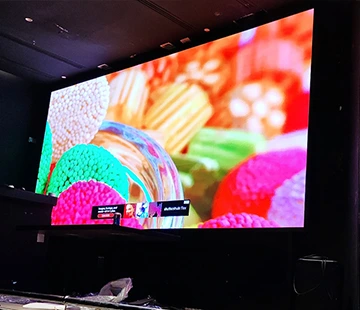
With the development of technology, many new conveniences have been added to daily life. One of the best technological innovations is the LED display, whose distinct technology greatly impresses its consumers. A flat display called an LED employs light-emitting diodes to show video.

The LED Display's brightness makes outside installation easier. The LED screen has become more prevalent in recent years in the public transportation system. Compared to a projector, LED display have superior contrast ratios.
LED display types

One of the top-notch LED display with a lot of utility is the dot-matrix model. Compared to other LED display, it has a rectangular design that is larger and taller. The LED matrix display has an easy-to-understand working concept and is excellent for billboards, signage, video walls, and hoardings.
For many uses and industries, LED display are quite beneficial. The LED screen is very useful in commercial and retail settings. Here are a few typical applications for LED displays both indoors and outside:
In the digital timepieces
LED number displays and programmable displays
Digital metres
DVD recorders
fascias for car stereos
Speaker, car stereo, microwave, and caller ID phone screen
Scales and shavers online
Slot machines and arcade games
Wall of LEDs
Benefits of a LED display

The popularity of LED technology is growing worldwide due to its significant advancement. In the mall, on TV, in hotels, in exposition halls, and in conference rooms, one may see LED Displays. An individual viewing experience is offered by LED displays for various audiences.
The new LED display gives producers the chance to research a new market for LED displays. One of LED Display's distinguishing characteristics is its thin border, acute black edge, and sophisticated technological setup.
Lighting characteristics of an LED display
Because of their graphics and brightness, people prefer to purchase pricey LED display panels from curved LED screen manufactures in india. In public spaces, shopping centres, retail establishments, transportation hubs, and office buildings, LED displays are extremely popular.
The LED Display's brightness contributes to its ability to attract a big consumer base. The distinctive elements of LED displays that significantly assist individuals include their large screens, distinctive videography, bright screens, and distinctive sound systems. The LED display screen's waterproof technology, which prevents it from being affected by weather, is its best feature.
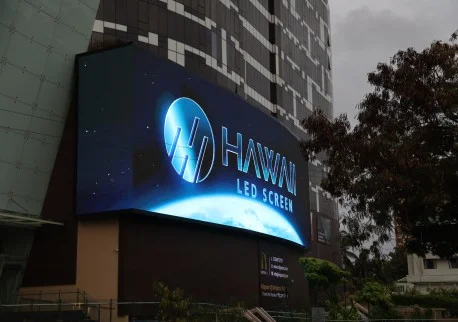
WHY LED OUTPERFORMS LCD
As you may have realised by this point, there is no question that LED defeats LCD. This is so because, with the exception of price, LED displays are superior in every important purchasing consideration.
Even when pricing is taken into account, you will discover that while LED technology is more expensive, it ultimately offers a higher return on investment. This is due to LED screens' extended lifespan and less maintenance requirements.
]As a result of better picture quality being driven by both technological breakthroughs and user demand, display pixels are constantly changing. Images on TV displays, smart gadgets, and augmented and virtual reality headsets keep getting clearer and more vivid.
Smaller pixels have been produced as a result of the transition from LCD (liquid crystal display) technology to LED (organic light-emitting diode) and more recent miniLEDs and microLEDs, while the quest of contrast necessitates pixels with brighter brights and blacker blacks. Although this change has given consumers better visual experiences, it has also presented display producers with new production hurdles.
Observe how the "dots" (display pixels) in the lower screen (A) are bigger and the black space between them is more noticeable when comparing the various display panels in the image below. The terms "lower pixel density," "fewer pixels per inch," and "bigger pixel pitch" are generally equal in meaning for this display. Since the pixels are not small or closely spaced, less of them can be crammed into a given space.
Size and pitch of pixels
Display resolution can be affected by examples of display panels with various pixel sizes, pixel pitches, and pixels per inch (PPI).
In the above image, the other displays demonstrate how the size of the pixels and the distance between them get smaller as they advance backward. the uppermost/rearmost panel (B)
Modern emissive display technologies, including OLED and microLED, allow each pixel to be powered individually and emit its own light. This can lead to significant differences in colour and brightness from pixel to pixel, posing a quality problem for producers. Regardless of whether it is utilised in a direct-view display or is being viewed through a filter like a quantum dot layer, each pixel must be evaluated independently for performance.
The human eye may not be able to distinguish individual pixels or subpixels at the maximum resolution levels offered by small pixels like microLEDs. Human observers can see when a pixel's brightness (luminance) or chromaticity (colour) varies from another, ruining the uniformity of the led screen and the image.
Therefore, a metrology solution must be able to measure a display as it is seen by the human eye in order to guarantee the visual quality of these displays. But merely detecting uniformity flaws is not sufficient; a system also needs to be able to recognise each distinct micro-sized pixel component. The only way to compute and apply a correction factor to restore led screen appearance is to measure the brightness and chromaticity changes between pixels and subpixels. Once a display device has been fixed throughout production, the producer can release it to the market certain that it satisfies both consumer and brand criteria.
As a result, if you're thinking about purchasing a display for yourself, you should make an LED display your first choice.
Many people consider the LED to be a third-generation display. It largely satisfies the needs and desires of the younger generation.
Moreover, they are more beautiful. What better solution to the growing lack of space in new residential complexes than an ultra-thin LED display that offers a cinematic experience in the comfort of your own home?
Across generations, LED screens are the most popular option now among the general public. To improve their lives and make them more fun, everyone is choosing to move from LCD to LED.
Here,we may talk about led screens in detail.
- An outdoor LED video wall is what it sounds like.

- An outdoor LED video wall is, as the name implies, a screen or display that is mounted outside. The screen has a unique coating that makes it resistant to harsh weather elements including rain, blistering sun, and dust. It has cutting-edge features including extreme brightness and a display with fine pixel pitch, providing sharp clarity even on the brightest days. Such elements help the material fulfil its purpose by making it stand out from all other distractions. Typically, this type of display is used by sectors including advertising, digital out-of-home, and real estate.
- 2) What is the smallest LED display size that is desired for outdoor use and still produce decent video quality?

- When it comes to advertising, different sectors have distinct needs. The size of the outdoor LED screen may change based on the same. However, 8 feet by 4 feet and 12 feet by 6 feet are the two most often used pixel pitch ranges for screens. Depending on the viewing distance, the display's size may also change. For high-quality films, we advises a minimum size of 9 feet by 6 feet. Our Rigel Micro series is available for screens up to 8 feet by 5 feet for closer viewing areas, such retail establishments.No matter the pixel pitch you select—small, medium, or large—our panels will flawlessly display the content with superb clarity. High-quality components are used in the construction of each screen to reduce obstacles and enhance the viewing experience.
3)What brightness and contrast ratio for outdoor led screens should they have in direct sunlight?

- For outdoor led screens, a brightness ratio of 5,500 nits and a contrast ratio of 5000:1 or above are suitable in conditions of direct sunshine. The outdoor LED screen technology from hawaii led screen includes premium components that deliver exceptional image quality without ever sacrificing the viewing experience. Using the innovative DIP 3-in-1 and common cathode technologies, our outdoor LED video walls can produce super high brightness of up to 10,000 nits. With this brightness, the display screen is compatible with the brightness of sunlight, and viewers won't have to strain to read the content because it will be visible and readable
4)What is pixel pitch, and which display has the best pixel pitch for running ads on outdoor LED screens?

- The density of pixels is referred to as pixel pitch. It displays the separation between two LED bulbs for viewing. A higher pixel density and higher resolution are necessary for a lower pixel pitch. Therefore, the viewing distance decreases as the pixel pitch increases. Standard digital hoardings can benefit from an LED display with a 6 mm pixel pitch, while retail screens should have a 3.9 mm pixel pitch.Each screen satisfies the brand aim while meeting the particular needs of advertising. The 1.95 mm outdoor LED screen series from hawaiiledscreen is becoming the new standard in the sector. From 1.95 mm to 25 mm, we provide a variety of tiny pixel pitches for outdoor settings. This enables us to give the highest-quality images at close ranges.
5) How can content (CMS) on an outdoor led video wall be remotely managed and sequenced?

- You can run the technology smoothly with the help of end-to-end solutions, programmes, and software from hawaii led screen. You can organise your material using the layouts provided by our Digital Signage Network Management software. You may remotely schedule and keep an eye on your material as well. This streamlines the entire control and monitoring process and allows you to reduce response time. Additionally, you receive thorough information and insights regarding the condition of the screens and your daily content creation. In essence, you are in charge of all functionality.
6) Why should I use outdoor LED screen from hawaii led screen?

- • Even in the roughest environment, our durable outdoor LED video walls produce high-quality images.
- • Our popular clients include BMW, FLOWERS, HIGHLIGHT MALL,MANAPPURAM FINANCE LIMITED,BISMI,GREEN MEDIA,NEST and SBI, to name a few. we have installed lots of LED screens across India; some of these screens have been operating for 12 years without indicating any problems.
- • We offer a 24/7 support service
- • With hawaii LED screen, you may make more money thanks to a cost-effective energy power source that reduces your outdoor LED screen's energy costs by up to 50%.
If you could afford the best LED video walls, how long do you think they would reliably operate?
The quality of an LED screen's engineering, design, and production will determine how well it performs.

Would your LED screens be more productive throughout the media inventory you have reserved if you could combine absolute monitoring, protection, and control into one solution? If you said unequivocally "yes," you were seeking for hawaii led screen.

By taking preventative actions, you can lower the expense of screen repair and maintenance.
With real-time, automated updates, document any performance issue.
Increase the availability of your media assets and available media inventory to increase your revenue.
By prolonging the functional life of your LED screens, you may lower the cost of your assets.
Scale your LED network easily without spending money on new repair resources.
With a centralised workflow, your operations and maintenance team's productivity will increase.
To anticipate performance issues, identify trends, and serve as a reference for each repair case, keep screen health data for each asset up to date.
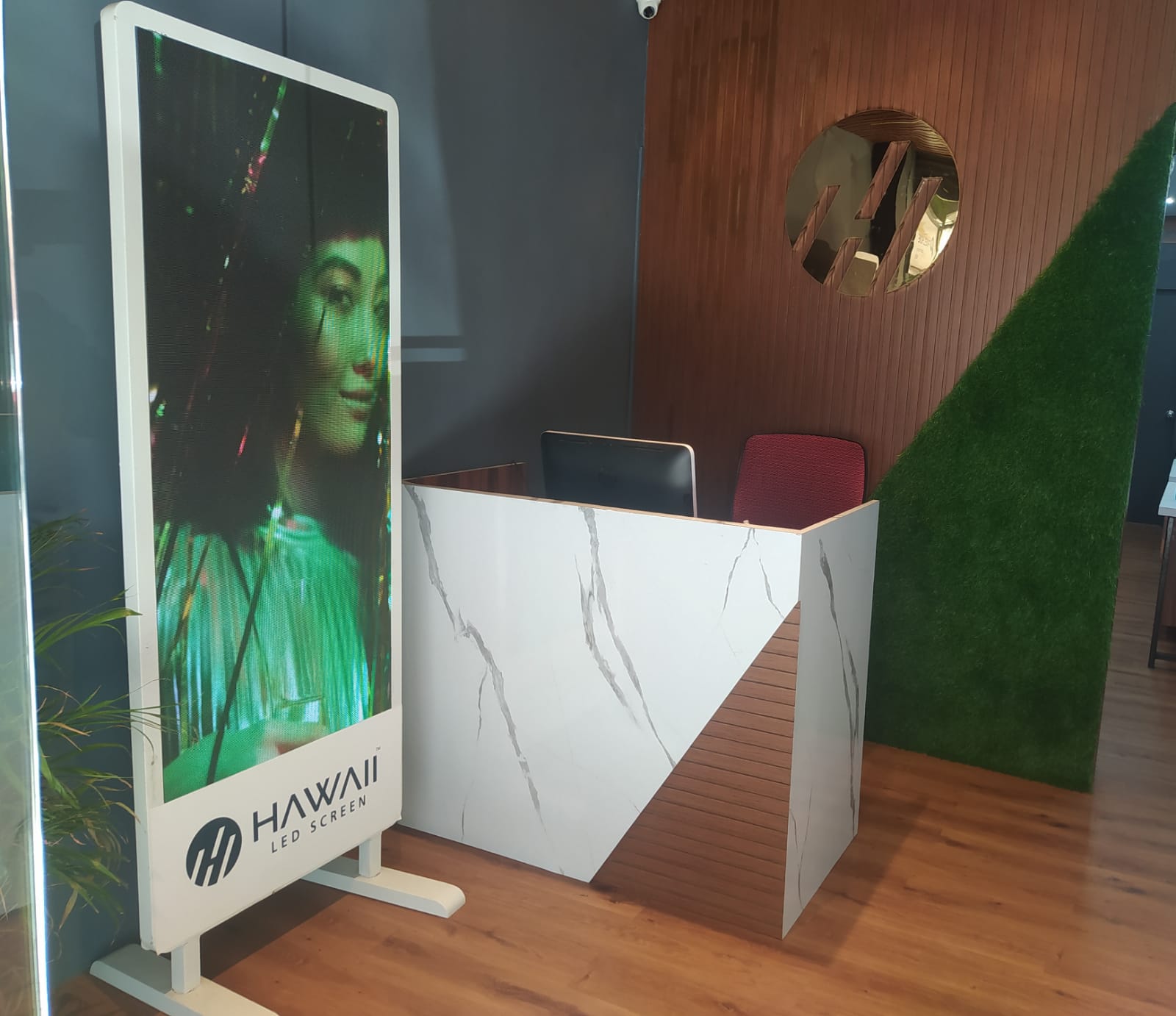
With a wide range of products that include high brightness and high power LED screen, PLCC surface-mount LEDs, and led display backlighting module solutions, hawaiiledscreen is renowned for the performance, efficiency, and dependability of its LED screen. These LED screen and led display modules serve a variety of industries, such as automotive, solid state lighting, LCD display backlighting, electronic signs and signals, and solid state lighting.
Customers of LED screen may rely on goods that are highly reliable, have a long lifespan, and are resistant to harsh weather, mechanical vibration, and shock. Customers can select goods with rich colour capabilities, cheap cost, standard brightness, and high ambient light with our cutting-edge LED Displays, which are made to fit a variety of industrial and consumer applications.
Why Is LED screen Brightness Important?
So you've made the decision to buy an LED screen in order to get a better visual experience than you would get from an LCD panel or projector display. Great!
The following step is to avoid making the mistake of being pennywise but pound stupid. Of course, you have a budget to consider, but don't let that defeat the point of choosing an LED screen. Even before the budget, you need to know a few fundamentals:
First Decay Rate
Any budget can buy a very bright LED display. However, the actual difficulty will become apparent once you install this LED screen and monitor its performance. Therefore, resist the urge to be fooled by a flashy show. A long-lasting, high-brightness display is what you require.
Imagine spending hours determining which LED will work for you before selecting the least expensive one, only to watch it deteriorate over a period of 12 to 24 months. You then find yourself starting over. Now, that's a frustration you'll want to avoid at all costs.
The degradation rates are very high for more affordable LED displays. As a result, your display quickly loses its shine. Every LED display will inevitably lose brightness over time due to wear and tear. However, the speed at which this occurs differs.
2. Auto-Brightness Adjustment is Missing
Recall how we disregarded the top three criteria that buyers of LED displays typically consider most important? Let's take that bag out once more. Connectivity is undoubtedly a useful aspect. However, adaptability is something you require in addition to connectivity.
Many LED display devices come with connection that enables you to manually adjust the brightness settings of the LED display. However, manual procedures require more man hours to achieve the proper brightness level. In this manner, the potential operating cost savings from changeable brightness are negated by the additional expense of manually adjusting the display.
What possible improvement could there be then? With improved automation, the same feature. Depending on the amount of available natural light, the LED display unit should be able to adapt the brightness levels.
Therefore, your message is received, energy use is balanced throughout the day, and even the LED's rate of decay is delayed. Wow, what more could a person want? Only a few firms, like hawaiiledscreen, innovate and provide these solutions while being aware of this demand.
The True Price of "Cheap" LED Displays
The only benefit of inexpensive LED screens is that they are inexpensive!
Therefore, you should reconsider your choice if the lowest price is the only thing affecting it.
However, you need to look beyond just the costs if you care about the quality and return on your investment. Although the cost of the purchase is undoubtedly significant, you should also consider the screen's performance and durability because they will affect its ROI.
You most likely belong to the group of people who are eager to make a buy at a discount without considering the long-term effects. Most definitely not your fault. There is a lack of knowledge about LED displays in the market, and few OEMs make an effort to educate the public about the dangers of buying inexpensive, subpar displays.
It's crucial to challenge your display OEM with difficult questions.
1. Why Are LEDs So Affordable?
Your LED display vendor having excellent manufacturing efficiencies or new product design capabilities that help it lower costs, could be one answer to this. Any other response or potential delay in responding typically indicates only one thing: the LED display is inexpensive because of its low-quality subsystems. Compared to low-cost display OEMs, a top quality display has some additional expenditures.
2. Which company manufactures LED lamps?
In most cases, companies that sell LED display’s don't make their own LED bulbs.
There is a considerable likelihood that the LED display vendor you use will have a high Decay Rate if they source their bulbs locally. As a result, your P&L would eventually experience negative ROI and greater operational costs for LED displays.
3. What Is The LED Lamps' Chip Size?
The size of the LED lamp's chip is crucial in determining how brilliant a display will be. The brightness and brilliance increase with chip size. To evaluate the brightness levels, you should compare the chip sizes of the lamps from different brands.
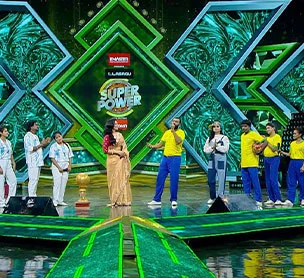
A brand-new year filled with prospects and possibilities has officially begun. It's customary for both organisations and individuals to evaluate their resources and goals around this time, determining what's essential to them, what's working and what isn't, and where to focus their efforts in the upcoming year. we obviously can't comment on your personal goals, but we very definitely suggest making led display screen a key component of your corporate plan in 2022. Here are a few of our top justifications!
Increase your sales and attract new clients.
Of course, from a purely business perspective, this is without a doubt one of the most important, perpetual advantages that LED screen offer. They have a track record of increasing sales and conversions in a variety of settings, but the retail industry is where they shine the brightest. InfoTrends estimates that led screen specifically generates an increase in overall sales of 31.8 percent and a general rise in repeat business of 32.8 percent. That final figure is probably of special interest because it highlights how LED screen may guarantee a steady stream of money for your company. And in related news...
brand awareness
We've all spent a lot more time indoors as a result of the numerous lockdowns and other limitations over the past two years or so, which has given your clients a lot more time to become comfortable with the online presence of your company. Consumers are once again visiting stores, working out in gyms, and going to conferences now that the lockdowns and limitations have mostly ended, but they have kept their broader brand recognition.
Given that it continues to be one of the most effective ways to draw attention of bystanders in extremely busy packed locations, such as retail parks, digital signage gives you a valuable opportunity to keep your brand fresh in their minds.
New creative opportunities are presented by LED screen.
Due to led's high adaptability, you can respond quickly to emerging trends.
The inherent adaptability of LED screen has been invaluable for owners and operators over the past few years, during which we've witnessed a rapid and dramatic shift in consumer priorities. One excellent example of how the climate crisis has elevated sustainability to the top of nearly everyone's agenda is. Of course, there are also the widespread and ongoing hygiene issues brought on by Covid-19.
You can quickly adjust your strategy thanks to led screen in response to fresh client concerns and market trends. (That's arguably more crucial now than ever because of the shifting restrictions and nearly constant unpredictability that characterise today's world.) Compared to switching,
Compared to traditional marketing channels like print, it's significantly cheaper, quicker, and simpler to transition to digital. The most effective marketing initiatives are those that successfully adapt to the needs, wants, and expectations of the target audience. On the other side, out-of-date campaigns run the risk of not just losing touch with their target audience but, depending on the content, even actively alienating them.
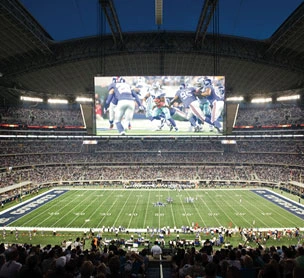
making it a great time to think about what benefits digital LED screen may bring to your festival, whether it's a major music event or a smaller local gathering.hawaii led screen, the industry leader in LED screen, has compiled this week's top benefits of LED screen for festivals.
provide information and a guest navigation display
It goes without saying that you want people to enjoy themselves at your festival, and you can expect that each visitor will have certain priorities for what they want to do and the performers they want to see. They'll undoubtedly be upset if they wind up getting lost or delayed and miss the acts they came for, and that's understandable.
and that sums up a bad festival experience, so there's a good chance they won't return the next year.
It can be irritating to hear about them as a partygoer, but that's nothing compared to the disappointment of actually showing up to the original stage, eager to watch your favourite musician, only to discover that their set has been postponed or even completely cancelled. It's especially frustrating if it takes a while to cross the festival grounds to get there (as is frequently the case with large festivals), as that takes away time that could have been spent watching other performers.
By keeping your attendees informed and ensuring that they have a wonderful time nonetheless, LED displays give you a great opportunity to help prevent that possible frustration and keep them coming back the following year.
wellbeing and security
The agony of actually making it to the original stage, eager to watch your favourite performer, only to discover that their set has been postponed or perhaps cancelled entirely, is nothing compared to the annoyance of hearing about this as a partygoer. It's especially annoying if it takes a while to cross the festival grounds to get there (as is frequently the case with big festivals), as that takes away time that could have been spent seeing other performers.
You have a great chance using LED displays to prevent any potential annoyance by keeping your attendees informed and making sure they enjoy themselves nonetheless, so they will return the following year!
Protection and wellbeing
LED screens may direct partygoers to essential safety facilities like security headquarters and first aid tents in addition to directing them to common amenities like parking lots, food vendors, and restrooms. As a precaution to safeguard festivalgoers who might be experiencing negative affects or even urgent medical issues, an increasing number of large-scale festival organisers are also installing safe places and drug testing facilities.
Of course, whether you intend to use those facilities at your own event depends heavily on individual policies; nevertheless, if you do, it's always a good idea to publicise where they are. One of the many ways that LED screens may be useful is in this regard. Likewise, if any portion of your
If an emergency, such as a fire, arises inside a structure, they can aid in directing people to the emergency exits.
Engagement and conversation
Now that the serious topics have been addressed, let's move on to the funnier parts. Every festival strives to create a specific atmosphere, whether it's vivacious and energised (like an electronic music festival) or cosy and welcoming (such as a family or local festival). LED display can be a crucial part of your festival's ability to maintain the atmosphere you've chosen.
You could show pre-recorded "promos" for future acts, including brief interviews with headliners, or you could inform your audience about other acts playing nearby. Of course, providing your customers with fresh opportunities to connect with their favourite acts, the festival as a whole, and other content on social network walls can keep them interested in your business and most importantly, one another!
A view of the performers
Perhaps the most frequently used feature of LED panels, especially at sizable festivals, is this one. People in the rear may find it challenging to see what is going on onstage as the crowd grows, so placing LED screen s in key locations around the performance space might help to ensure that everyone can see what is going on. In fact, rather than just staring at the stage, digital LED screen s frequently give attendees a greater view of what's happening.
How much do you know about Generation Z? You are well-versed on millennials and baby boomers, but how much do you know about Generation Z? We'll offer you a fast crash course to save you some time. Generation Z, also referred to as zoomers, is the generation that will immediately follow millennials. Their birthdates range from the middle of the 1990s to the early 2010s. Success in marketing to Generation Z demands a very different mentality. You must understand your audience, just as you would with any other target market, especially if you're spending time and money on LED digital screens.
Here are some things you should know about Gen Z before starting your campaign and what your main priorities should be when trying to sell to them.
What you need to know about Generation Z
Although there is undoubtedly some overlap with millennials (the precise lines separating each "demographic cohort" are frequently hazy), Generation Z differs from their more senior counterparts in a few significant ways. Their interaction with technology is the most important of those.
In particular, Generation Z is the first generation in society to have grown up with access to the internet and portable digital technology from an early age. As a result of seeing them virtually everyday on social media timelines, kids are aware of many of the pushy sales strategies and catchy headlines that have been the go-to methods for ages.
That doesn't mean you can't use catchy headlines or aggressive sales tactics, of course, but what it does mean is that Generation Z consumers tend to be less trusting of what advertisements claim, and studies have repeatedly shown that they prefer to thoroughly investigate products before making purchases, especially when it comes to larger ones.
That really ties in nicely with our following point: Generation Z is far more risk-averse than older generations, and like millennials, they are more acutely aware of their chances regarding jobs and property ownership. This means that you need to be much more specific and persuasive when presenting your case for why they should buy from you because they are frequently by nature more circumspect than their elder counterparts.
First tip: Choose your brand reps very carefully.
It's important to select relatable individuals for your audience when selecting the human face of your campaign, whether they are influencers or models for your advertising. As a result, you must employ individuals who appear to share (or at least comprehend) the views, attitudes, and even difficulties of your audience.
This entails thinking about things like what your audience could perceive your subject's age, looks, or even possible income. If you're looking to increase bookings for a music festival, for instance, they might not respond favourably to someone who appears too polished, aged, or extremely professional in your marketing.
Similarly, if you've chosen to employ an influencer, ensure that they have a niche following in your chosen industry, whether it be gaming, electronics, beauty and fashion, or another. Check their professional records to determine if there are any issues or deliberate actions that might reflect adversely on your business.
Tip #2: Pay attention to social media
Determining precisely which social media channels your target audience may be using and how to include them into your marketing is therefore well worth the time. (At the very least, you should think about opening an account for your company!)
Tip #3: Make effective use of recommendations from others.
The online savvy of Generation Z means that they have grown up with clickbait and will be aware of cheap or potentially misleading marketing strategies, especially with offers that may not be what they first seem to be. This was touched on above. (For instance, substantial price markups before the introduction of a major promotion, allowing the 'massive reductions' that follow to benefit the business via increased sales at regular pricing. Even though it's a relatively well-known tactic by this point, many businesses continue to use it!)
The ideal remedy for this is peer endorsements. Although Generation Z consumers may be less trusting of slogans and business marketing, they put a lot more stock the opinions of their peers. Therefore, when it comes to marketing to Generation Z, peer endorsements and customer ratings from current young customers are priceless.
They not only make excellent material for your LED screens, but it's important to take care to carefully manage them on your website as well, since most of your target audience will likely go there after seeing your original advertisement as the logical next step on the buying cycle. Remember that Generation Z is far less likely to make impulsive purchases and does much more research before making a purchase, thus having more customer reviews might easily give you the advantage over your rivals.
Tip #4: Give video top priority
As a result of growing up with on-demand access to video reviews and product demonstrations on YouTube and other platforms, Google reports that 85% of Generation Z uses video while researching things. They are accustomed to seeing a product or service's appearance, functionality, and capabilities, and they occasionally want to learn all of that information before making a purchase.
They respond favourably to bright, interesting video advertising for the same reason, especially if they contain recognisable or relatable people. That kind of material is ideal for your digital LED screens! Fast-paced, funny, and vivid content frequently appeals to Generation Z, but they also recall material that provides useful information.
that can aid them in being ready for the future as well.
However, every film you create must have a compelling opening because, according to a Forbes article, Generation Z has an attention span that is even lower than that of millennials, falling from 12 seconds to just 8. In other words, you only have one chance to capture their interest, so don't be hesitant to attempt something novel.
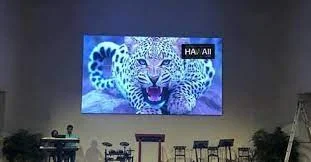
You already know that the capabilities of LED displays make them extremely helpful for a big number of applications in a wide variety of contexts if you've read even a few of the previous items on our blog. They can be utilised to increase traffic to your store, grow your social media audience, or spread word of your most recent campaign.
These are only a handful of the most typical instances, many of which you have undoubtedly previously thought of. But you may also utilise LED screen to reassure your target audience in a variety of settings. Here, we'll go over the specifics!
assistance with navigation
Wayfinding is a broad word that essentially describes how LED display panels may direct your intended audience to particular locations. They are widely used in shopping malls to facilitate foot circulation, aid patrons with locating entrances and exits, and even span the gap into specific establishments.
It's crucial to successfully navigate your property because getting lost can be unpleasant at the best of times and downright deadly in an emergency. By pointing out clear access and exit routes as well as the locations of any other significant areas, such as assembly points, wayfinding can assist prevent that.
They can be directed to certain safety amenities using LED screens.
such as dispensers for masks or hand sanitizer stations. These are very useful in hospitals and other strictly regulated settings.
information about safety
LED screens can give additional safety value by presenting particular safety information, such as what to do in the event of a fire, in addition to assisting your target audience in navigating your property. Digital led screens can also be used to broadcast specific safety videos or messages, such as reminders to staff and visitors to wear hard hats or best-practice videos that quickly walk through the key steps of safely preparing a piece of equipment. These areas include warehouses and factory floors, where certain risks are more or less constant.
Digital screens are especially effective at spreading safety information because of their visual nature. Viewers can view videos from much farther away than they can hear them, which allows the message to reach more people at once. (Extremely helpful in crowded or noisy settings!)
The best part is that they can all be updated from a single location, ensuring that the safety information displayed on all of your digital screens is consistent and up-to-date.
feeds of news
LED screens can be priceless for conveying the most recent headlines and news tickers on a rolling 24-hour timeline in industries or events where viewers need to stay in the know about exactly what is happening in the world. The ideal example of the kinds of settings that could benefit from rolling news broadcasts on LED screens are stock markets and other similarly fluid surroundings.
You might even discover it useful to concentrate on particular channels or events for a set amount of time, depending on its context and the particular interests or objectives of your target audience. Examples include parliamentary proceedings and athletic events, both of which could have favourable or unfavourable results for your target consumers. However, in the case of a poor result—for example, if a certain team loses or Prime Minister's Questions doesn't go as planned—your viewers would always appreciate as much advance notification as possible so they can make necessary adjustments.
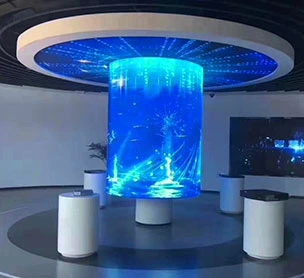
LED screen is being used more and more by organisations from a variety of industries to help them improve their operations in a number of ways, including product promotion, customer engagement, and customer entertainment. It's a fantastic method to offer thought-provoking content in a timely and efficient manner, and it's what hawaii led screen specialises in.
It's no secret that maintaining your LED screen general cleanliness, software, and hardware is one of the greatest methods to guarantee that you're getting the most out of it. Here are some suggestions to help you create your own maintenance schedule for your LED screen solution in light of that.
we'd strongly advise putting in place a regular cleaning schedule to assist maintain the cleanliness and effectiveness of your LED screen. This can be achieved by frequently wiping it down with an antimicrobial wipe safe for use on led screens. Any stains or blemishes can then be quickly removed by wiping them down with a soft cloth and a mild cleaning agent. Additionally, we advise giving your screen a thorough cleaning to make sure that tiny particles don't affect how it functions in general.
hardware upgrades
Basically, if you take care of your hardware, it will take care of you. Your LED screens' physical parts go through quite a bit of wear and tear in normal use, which can range from light bumps and bangs to merely persistent exposure to the weather. Thankfully, as long as you establish a reasonable maintenance routine, you won't need to worry too much about it.
You'll probably be good with a somewhat mild cleaning routine, perhaps once a year or twice a year, if your system is only occasionally used—for example, perhaps occasionally during the year for specific occasions. However, if your led screen is a permanent installation, the situation is slightly different. Certain components, like everything else that's always on, have a shorter lifespan when they're in continual use, so you'll probably need to replace them sooner rather than later require a more frequent and thorough maintenance programme, perhaps once every few months or so.
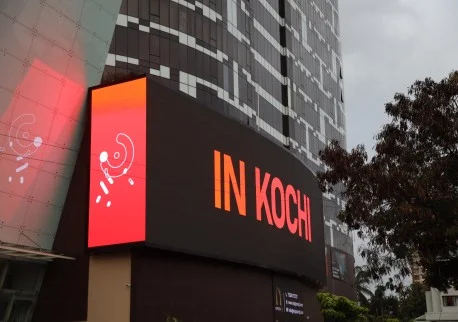
Now that festival season has here, it's time to prepare for your outdoor activities. Outdoor entertainment is expected to have a huge year this year, and people who aren't just attending your event will want to actively participate. Modern events feature social media more than ever, so it's important to consider how you can take advantage of the engagement opportunities it provides.
Adding a social media wall to your event is one approach to increase engagement with both your audience and online viewers. These are excellent for encouraging audience interaction and driving traffic to your event's social media feed, and we can assist you in achieving this with one of the hawaii LED screens. So, let's get into more detail now!
A social media wall is what is it?
On a digital signage panel or led screen, they essentially consist of an aggregated stream of social media updates from websites like Twitter, Instagram, and Facebook. In order to generate social interaction with your event, the basic concept is to encourage guests to share content using designated hashtags or handles. In order to drive traffic to your event's social media feed, it is a means for your attendees to share their experiences.
Adversaries have a great chance to bring their product or service in front of many potential clients thanks to this form of widespread social interaction. Brands can create a marketing plan based on a social media feed using a social media wall, which can then be
shown at outdoor sporting events and music concerts. Before, during, and after the event, advertisers can generate excitement and traffic, making social media walls a priceless marketing tool.
Utilize your event's USP to draw attendees.
Utilizing a social media wall's advantages will allow you to highlight the USP (unique selling proposition) of your event. By sharing the USP, you capture attendees' attention and create awareness through the social media environment, whether it be through music, a celebrity appearance, or an exciting contest you're running at the event. Leaving your attendees in suspense by teasing a particular musician, song, or prospective prize winner is a clever way to get people to post about your event. This fosters interaction and encourages users to retweet postings or tag members of their own network, broadening the audience for your event.
Make an event that people want to participate in.
Event planners have the chance to produce interesting content that guests will want to post on social media walls. You can engage your audience through photos, teasers, videos, contests, prizes, and exciting news, among other things. The likelihood of interactions with a post increases with its shareability. A picture truly is worth a thousand words, and people are far more likely to keep their eyes glued to your social media wall if it's showcasing an eye-catching image.
With all of this in mind, social media walls are an effective tool that can increase traffic and engagement. We can assist you in projecting social media walls using one of our LED displays.
What goals do you have for LED display screen?
For organisations working in a variety of industries, including retail, hospitality, healthcare, and transportation to mention a few, LED screen has long been recognised as a very successful marketing and advertising tool. However, before deploying your LED screen, regardless of the sector you work in, it's always worthwhile to focus your goals to ensure that you can make the most of it.
our knowledgeable consultants can assist you with that. we're in a perfect position to point you in the right way.
How LED screen can help you grow your business
Basically, you need to know what you're going for in order to get the most out of your signs, so creating a list of specific goals is helpful. These goals will be taken into consideration when choosing the tools you'll need, the location where your signs will be displayed, your target market, and the kind of material you'll need to produce.
Following are a few typical objectives for digital signage to aid in your decision-making:
Communication: Personal welcome messages for your company's customers and visitors can be displayed on LED screens. Additionally, they're a fantastic opportunity to exhibit goods and services and make timely announcements.
Increase revenue by strategically placing signs with targeted messaging can have a significant impact on consumers' purchase choices. You can quickly and successfully advertise new goods and services because to how quickly signage can be changed and rotated. Customer experience can be improved by using our LED screen to convey brief, dynamic messages that will benefit all of your customers. Implementing navigation, interactive maps, event schedules, and retail promotions would be a fantastic approach to do this since they all contribute to a more pleasurable experience.
Spend less on advertising because you want to promote your goods as effectively as you can. LED screen’s graphic presentations aid in increasing sales. Additionally, it does away with the necessity for disposable pamphlets and flyers that are frequently thrown away, lowering total expenditures.
These are a few illustrations of possible objectives for your LED screen. However you go about it, good placement is a requirement for successfull led display screen. For instance, you should place a welcome message and a directory in the lobby or the entrance of major stores where it's simple to become lost. Additionally, you should place advertising and sales incentives on smaller displays at all of your store's checkout locations.
Making an effective signage campaign also requires careful consideration of the type of content you present. Text-heavy messages should ideally be displayed close to waiting areas where people are more likely to linger and have time to read them. On the other hand, areas where clients are moving around and only have a short amount of time to understand them are far better suited for designs that are more image-heavy.