

Blog
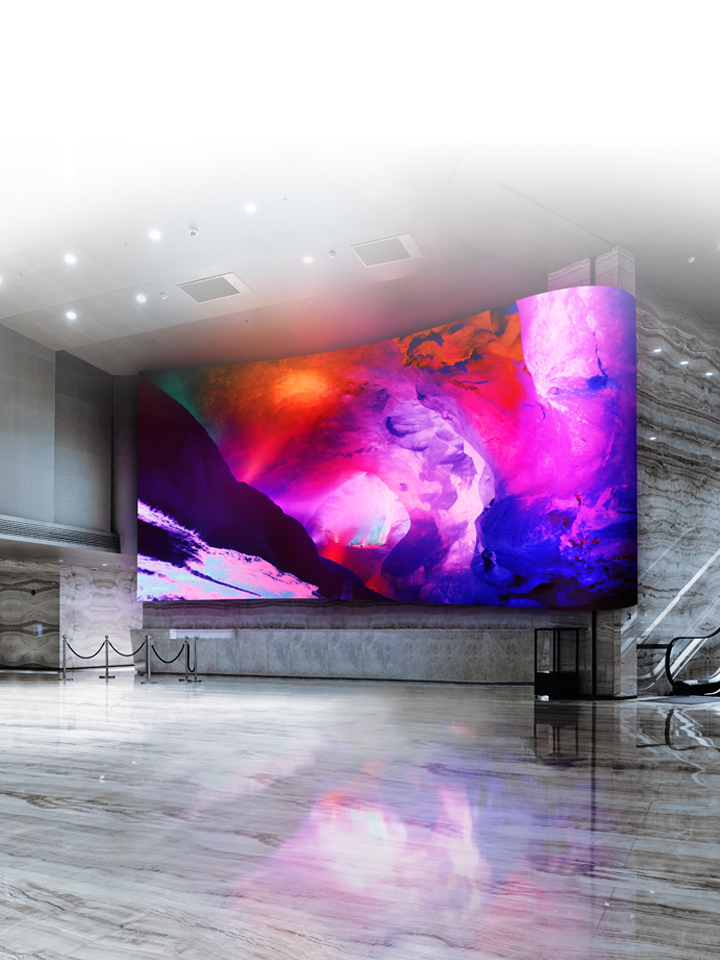
Step into a world of brilliance with Hawaii LED Screen, where innovation meets illumination. Our Rental and Fixed LED Screens are setting new standards in Kerala, transforming events into unforgettable experiences and businesses into captivating destinations. In this blog, we explore the unparalleled features of our Rental and Fixed LED Screens and how they are reshaping the visual landscape of Kerala.
Lighting Up Events with Hawaii LED Screen Rental LED Screens
Our Rental LED Screens redefine clarity, ensuring every image and video is showcased with unmatched precision. From wedding extravaganzas to corporate galas, our screens make sure your event visuals are as vibrant as your imagination.
Time is of the essence when organizing an event. Hawaii LED Screen understands this and provides seamless setup services. Our skilled technicians handle the installation, allowing you to focus on perfecting other aspects of your event.
We believe every event is unique. Our Rental LED Screens come in various sizes, allowing you to customize the visual experience according to your event requirements. Whether it's an intimate gathering or a large-scale concert, Hawaii LED Screen has you covered.
Empowering Businesses with Hawaii LED Screen Rental and Fixed LED Screens
Make your brand stand out with our Rental and Fixed LED Screens. Captivate your audience with dynamic advertisements, promotions, and product showcases. Hawaii LED Screen helps you create an impactful brand presence that leaves a lasting impression.
Engage your customers interactively with our Rental and Fixed LED Screens. Whether it's a retail store, restaurant, or corporate office, interactive displays enhance customer engagement and foster a memorable brand experience.
Investing in quality is investing in longevity. Hawaii LED Screen Rental and Fixed LED Screens are engineered for durability, ensuring uninterrupted operation even in challenging environments. Rain or shine, our screens deliver exceptional performance.
At Hawaii LED Screen, we are not just technology providers; we are partners in your illumination journey. Our commitment to excellence, unmatched customer support, and innovative solutions make us the preferred choice for Rental and Fixed LED Screens in Kerala.
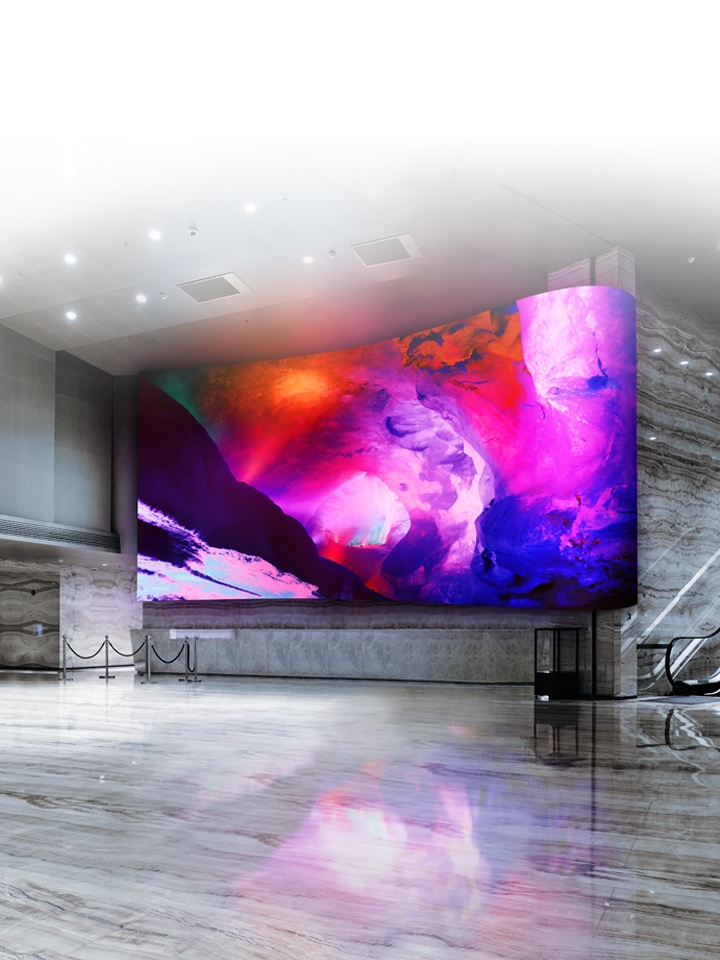
Hawaii LED Screen, where cutting-edge technology meets the picturesque landscapes of Kerala. In this blog, we delve into the illuminating realm of Rental and Fixed LED Screens, exploring how Hawaii LED Screen is transforming events, businesses, and entertainment in Kerala through its top-notch solutions.
Redefining Events with Rental LED Screens in Kerala
When it comes to events, the right visual display can elevate the entire experience. Hawaii LED Screen offers state-of-the-art Rental LED Screens that cater to a wide array of events, from grand weddings to corporate conferences. Here’s why our Rental LED Screens stand out:
1. Stunning Visuals:
Our Rental LED Screens boast high-resolution displays, ensuring your content comes to life with vivid colors and crystal-clear imagery. Whether it's a product launch or a music concert, every detail will be showcased with unparalleled clarity.
2. Seamless Integration:
We understand the importance of seamless integration at events. Our expert technicians ensure hassle-free setup and operation, allowing you to focus on your event without any technical worries.
3. Customization Options:
No two events are the same. That’s why Hawaii LED Screen offers customization options, allowing you to choose the size and configuration that suits your event best. Create a truly immersive experience tailored to your specific requirements.
Empowering Businesses with Fixed LED Screens in Kerala
In the business world, communication is key. Hawaii LED Screen provides innovative Fixed LED Screen solutions that empower businesses across Kerala. Here’s how our Fixed LED Screens are making a difference:
1. Impactful Advertising:
Capture the attention of potential customers with dynamic advertising on our Fixed LED Screens. Whether you own a retail store, restaurant, or any other business, our screens ensure your message is delivered effectively.
2. Enhanced Engagement:
Engage your audience like never before. Our Fixed LED Screens are perfect for interactive displays, presentations, and informational content. Boost customer engagement and leave a lasting impression.
3. Durability and Reliability:
Investing in a Fixed LED Screen is a long-term commitment. Hawaii LED Screen offers durable and reliable displays that are built to last, even in challenging environments. Enjoy peace of mind knowing your investment is safeguarded.
Why Choose Hawaii LED Screen for Rental and Fixed LED Screens in Kerala?
At Hawaii LED Screen, we go beyond providing exceptional technology. We offer unparalleled customer support, ensuring your experience with our products is seamless and satisfactory. Our team of experts is dedicated to helping you find the perfect LED screen solution for your needs, providing guidance from selection to installation.
Join the illumination revolution with Hawaii LED Screen. Whether you’re organizing an event or enhancing your business presence, our Rental and Fixed LED Screens in Kerala are the perfect choice. Illuminate your world and leave a lasting impression with Hawaii LED Screen.
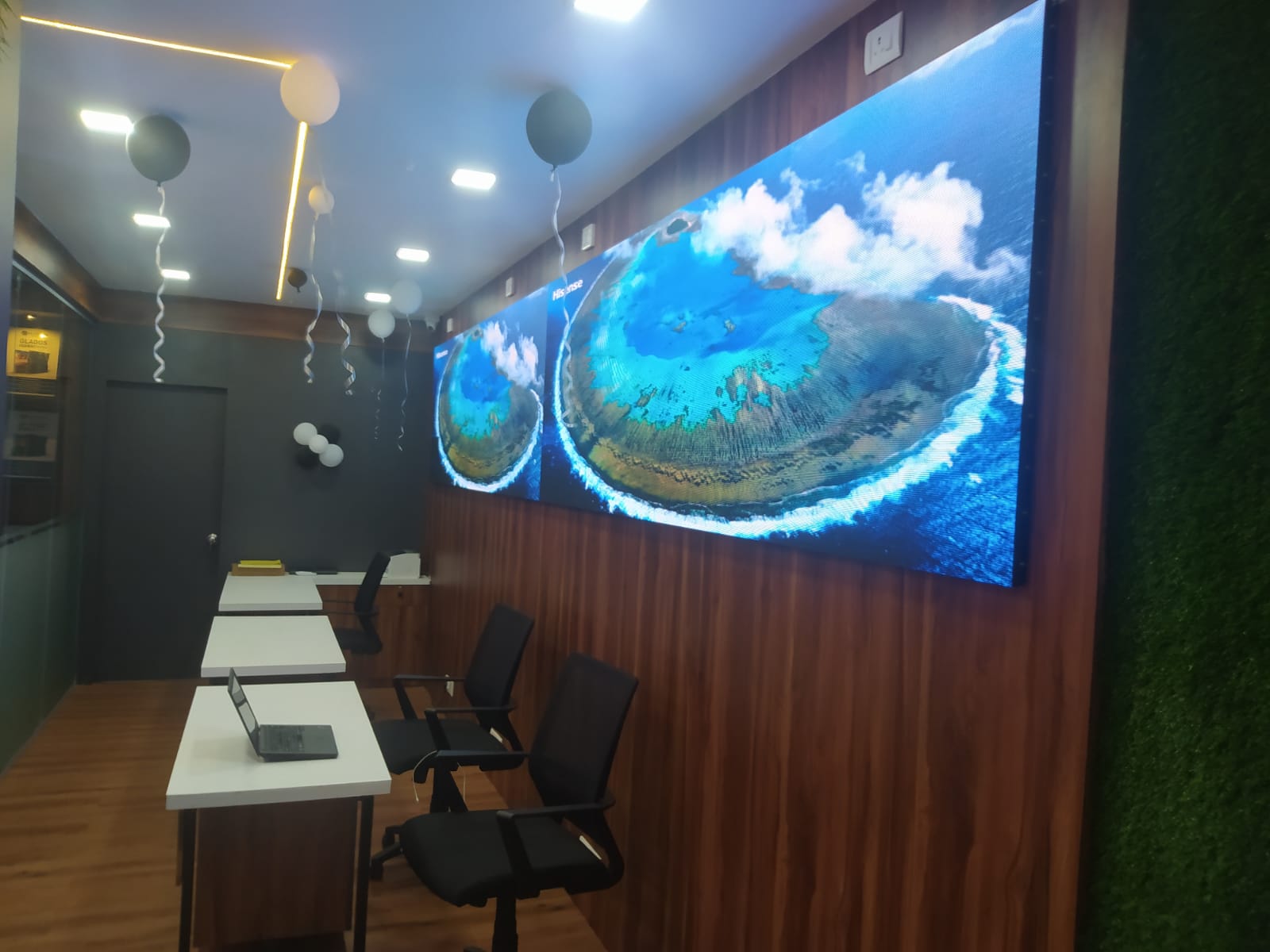
Hawaii LED Screen is a trusted and experienced LED screen Display Manufacturer in India, catering to the growing demand for visually appealing displays. With a decade of expertise, Hawaii LED Screen is committed to customer satisfaction. We offer a wide range of LED screen displays suitable for various applications and budgets. Our products incorporate cutting-edge technology, ensuring stunning visuals and exceptional performance. Hawaii LED Screen also provides customization options to meet specific requirements. Our dedicated customer support ensures a smooth experience from consultation to installation. Choose Hawaii LED Screen for reliable and captivating LED displays in India.
Hawaii LED Screen has been in the industry for 23 years, building a strong reputation in the Indian market. Our extensive experience allows them to understand the unique needs of our clients. We provide customized LED screen display.solutions that perfectly match specific requirements. This expertise gives customers the confidence that they are working with reliable and knowledgeable LED screen manufacturers.
Hawaii LED Screen takes pride in offering a wide variety of LED screen displays to suit every need and budget. Whether it's for indoor or outdoor use, small events, or large installations, they have a comprehensive selection of high-quality LED screen displays in different sizes, resolutions, and configurations. This versatility ensures that customers can find the perfect LED screen display that matches our specific display requirements.
Hawaii LED Screen stays up-to-date with the latest technological advancements in the LED screen display industry. By using state-of-the-art technology, such as high-resolution displays, superior color reproduction, and energy-efficient components, we ensure that our LED screen display delivers stunning visuals and exceptional performance.
we understand that every client has unique needs. That's why we offer customization options to create LED screen displays that perfectly match those requirements. Whether it's adjusting the screen size, shape, or resolution, or incorporating specialized features like curved screens or transparent displays, the Hawaii LED Screen team of experts works closely with customers to bring their vision to life. This level of customization ensures that the LED screen display seamlessly blends into any environment, enhancing the impact of visual content.
Hawaii LED Screen does not stop at providing LED screen display. We prioritize customer satisfaction by offering dedicated support services throughout the entire process, from the initial consultation to installation and after-sales support. Our team of skilled technicians ensures smooth installations and promptly addresses any queries or concerns. This commitment to exceptional customer support has earned Hawaii LED Screen a loyal customer base in india.
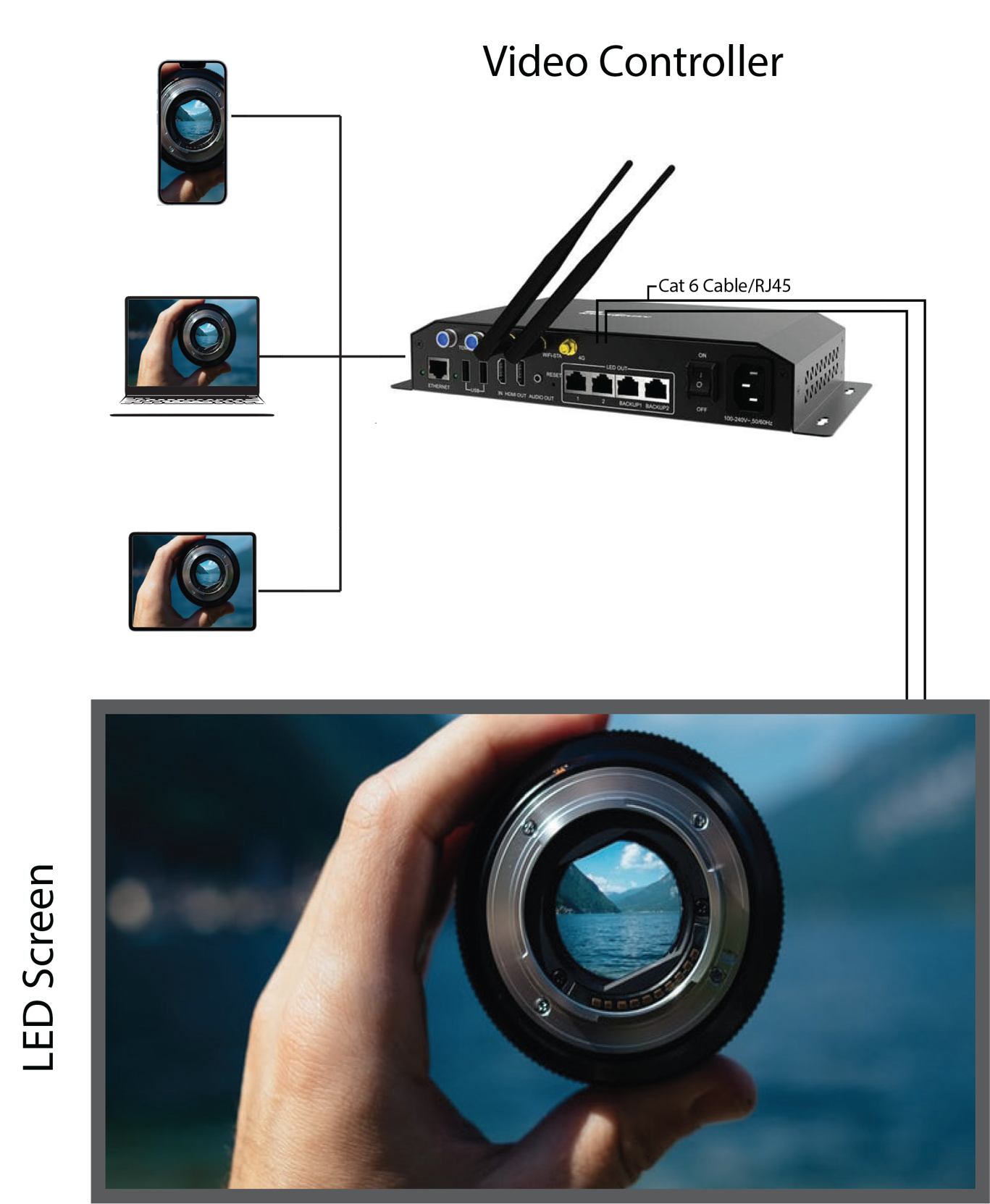
When it comes to transforming ordinary spaces into extraordinary visual spectacles, the Novastar VX1 stands out as a game-changer. At Hawaii LED Screen, we understand the significance of finding the perfect LED display solution for your events, businesses, and public spaces. In this blog, we unveil the secret to where you can purchase the Novastar VX1 at the best price in Kerala. Join us as we explore why Hawaii LED Screen is your ideal choice for cutting-edge LED technology.
Novastar VX1 is more than just an LED display controller; it's a gateway to a world of immersive visuals and seamless experiences. With its high refresh rate, HDR support, intuitive control features, and unmatched reliability, Novastar VX1 ensures that your visuals are not just displayed, but celebrated. Whether you’re organizing a corporate event, a concert, or a grand wedding, the Novastar VX1 elevates every moment with its vibrant and crystal-clear display.
1. Competitive Pricing, Transparent Deals: At Hawaii LED Screen, we believe in fair pricing. Our Novastar VX1 prices are competitive and transparent, ensuring you get the best value for your investment. No hidden costs, no surprises – just straightforward, honest deals.
2. Quality That Speaks Volumes: We pride ourselves on providing top-notch quality. Our LED screens undergo rigorous quality checks to guarantee superior performance, durability, and longevity. When you choose Hawaii LED Screen, you choose reliability.
3. Expert Installation and Support: Purchasing an LED display is just the beginning of your visual journey. Our skilled technicians not only install your LED screen flawlessly but also offer continuous support and maintenance services. We're here to ensure your LED display operates seamlessly, leaving you worry-free.
4. Custom Solutions for Unique Needs: Every event and business is unique, and so are their requirements. Hawaii LED Screen offers tailor-made LED display solutions, ensuring that your specific needs are met. Whether it's a bespoke screen size, specialized configuration, or unique installation requirement, we’ve got you covered.
Illuminate Your World with Hawaii LED Screen
Ready to elevate your visual experience? Hawaii LED Screen is your gateway to cutting-edge LED technology in Kerala. Whether you’re looking to make a statement at your next event or enhance your business visibility, our Novastar VX1 LED displays are your perfect choice.
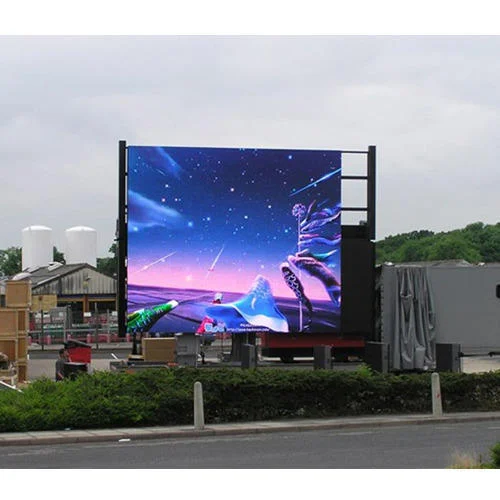
At Hawaii LED Screen, we believe in transforming spaces into captivating visual experiences. Our state-of-the-art LED screens have been illuminating events, businesses, and public spaces across Kerala. Today, we delve into the world of cutting-edge technology and explore the best Novastar VX1 prices in Kerala. Join us as we uncover the intricacies of Novastar VX1 and understand why it’s the go-to choice for seamless LED display solutions.
Why Novastar VX1?
Before we dive into the prices, let's understand why Novastar VX1 stands out in the realm of LED display controllers. Novastar VX1 is renowned for its exceptional performance, reliability, and versatility. Whether you're hosting a corporate event, a concert, or a wedding, Novastar VX1 ensures vibrant and crystal-clear visuals, making every moment unforgettable.
Features that Set Novastar VX1 Apart:
- High Refresh Rate: Enjoy smooth and flicker-free visuals even in high-speed motion scenarios.
- HDR Support: Experience lifelike and vivid images with High Dynamic Range technology.
- Intuitive Control: User-friendly interface for easy setup and customization.
- Wide Compatibility: Works seamlessly with various LED screen configurations, making it adaptable for diverse requirements.
- Reliability: Built with cutting-edge technology, Novastar VX1 guarantees stable and uninterrupted performance.
Best Novastar VX1 Prices in Kerala
Now, let's address the most important aspect: the prices. At Hawaii LED Screen, we understand the value of your investment. Our competitive prices for Novastar VX1 ensure you get the best deal in Kerala. We offer transparent pricing with no hidden costs, making your LED display purchase a hassle-free experience.
Why Choose Hawaii LED Screen
At Hawaii LED Screen, we take pride in being Kerala leading provider of premium LED display solutions. Here's why businesses and event organizers choose us:
- Quality Assurance: Our LED screen display undergo rigorous quality checks to ensure superior performance and durability.
- Expert Installation: Our skilled technicians ensure flawless installation and setup tailored to your specific requirements.
- Excellent Customer Support: We provide comprehensive support and maintenance services to keep your LED display screen running smoothly.
- Custom Solutions: We offer customized LED screen solutions to meet the unique needs of your event or business.
Ready to elevate your events and business with cutting-edge LED display screen technology? Contact Hawaii LED Screen today for the best Novastar VX1 prices in Kerala. Illuminate your world with breathtaking visuals and make a lasting impression on your audience.
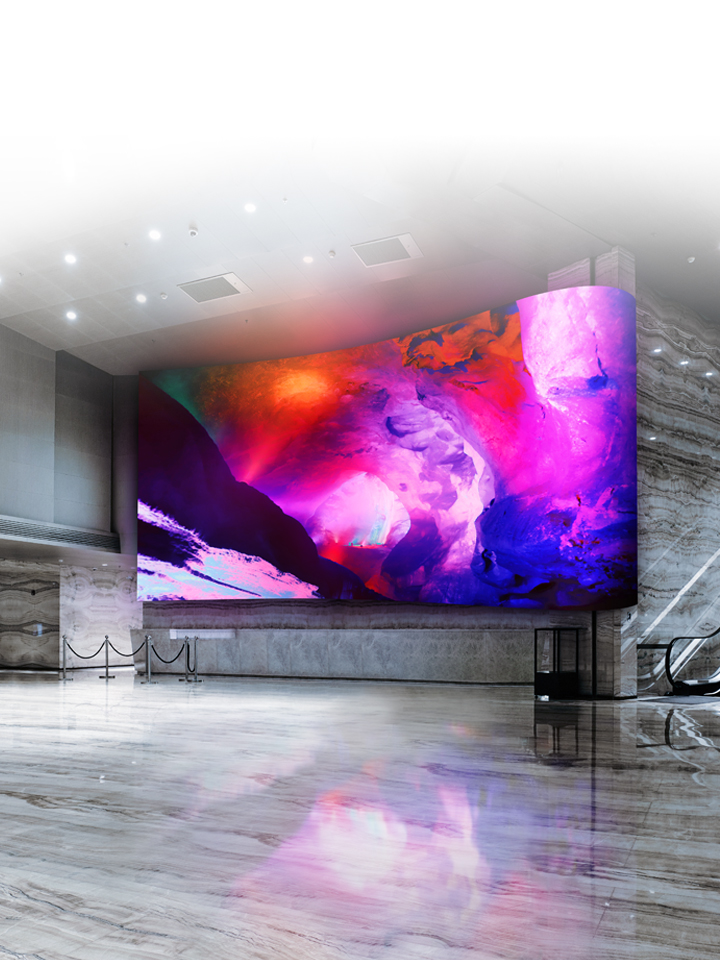
In the bustling streets of modern cities, where the competition for attention is fierce, Outdoor LED Advertising Display Screens stand tall as beacons of innovation and communication. These dynamic screens have transformed the way businesses connect with their audience, offering a smart, vibrant, and engaging platform for advertisements and information dissemination. In this blog, we explore the captivating world of Outdoor LED Advertising Display Screens, unraveling their versatility, impact, and the strategic placement that makes them the heart of modern advertising campaigns.
1. A Smart Approach to Advertising: The Versatility of LED Displays
Outdoor LED Advertising Display Screens represent a paradigm shift in the advertising landscape. These intelligent screens work as colossal billboards, capturing attention with vibrant visuals and dynamic content. Unlike static billboards, LED displays offer a versatile canvas where advertisements can come to life in the form of vivid pictures or compelling videos. This flexibility enables businesses to showcase their products and services in a visually appealing manner, leaving a lasting impression on the viewers.
2. A Canvas for Creative Expression: Bringing Advertisements to Life
LED displays provide a canvas limited only by the imagination. Whether it's a high-definition video promoting a new product, a series of captivating images telling a brand story, or interactive content engaging the audience, these screens transform advertisements into captivating experiences. The dynamic nature of LED technology ensures that messages are not just seen but experienced, creating a powerful impact that resonates with the audience long after they have passed by.
3. Strategic Placement for Maximum Impact: Targeting the Right Audience
One of the key advantages of Outdoor LED Advertising Display Screens lies in their strategic placement. These screens are strategically positioned in high-traffic areas, open-air roadsides, and bustling public spaces. By placing them in the right locations, businesses can effectively target their audience. Whether it's a busy intersection, a shopping district, or a popular event venue, LED screens ensure that advertisements reach the desired demographic, maximizing the visibility and impact of the campaign.
4. Real-Time Updates and Interactivity: Engaging the Audience
Outdoor LED Advertising Display Screens offer the unique advantage of real-time updates and interactivity. Businesses can update their advertisements instantly, ensuring that the content remains fresh, relevant, and timely. Additionally, interactive features such as touchscreens and QR code integration enable direct engagement with the audience. Viewers can interact with the content, access additional information, and even make purchases, transforming passive observers into active participants in the advertising experience.
5. An Environmentally Responsible Choice: Green Advertising
In the era of environmental consciousness, LED technology stands out as an eco-friendly choice. LED displays are energy-efficient, consuming significantly less power compared to traditional advertising methods. This not only reduces operational costs for businesses but also aligns advertising efforts with sustainable practices, making it a responsible choice for environmentally conscious brands.
Outdoor LED Advertising Display Screens have redefined the art of communication, transforming advertisements into immersive experiences. With their versatility, creative potential, strategic placement, real-time updates, interactivity, and environmental benefits, these screens have become the cornerstone of modern advertising campaigns. As businesses continue to seek innovative ways to capture attention and engage their audience, Outdoor LED Advertising Display Screens shine brightly as the future of smart, impactful, and environmentally responsible advertising.
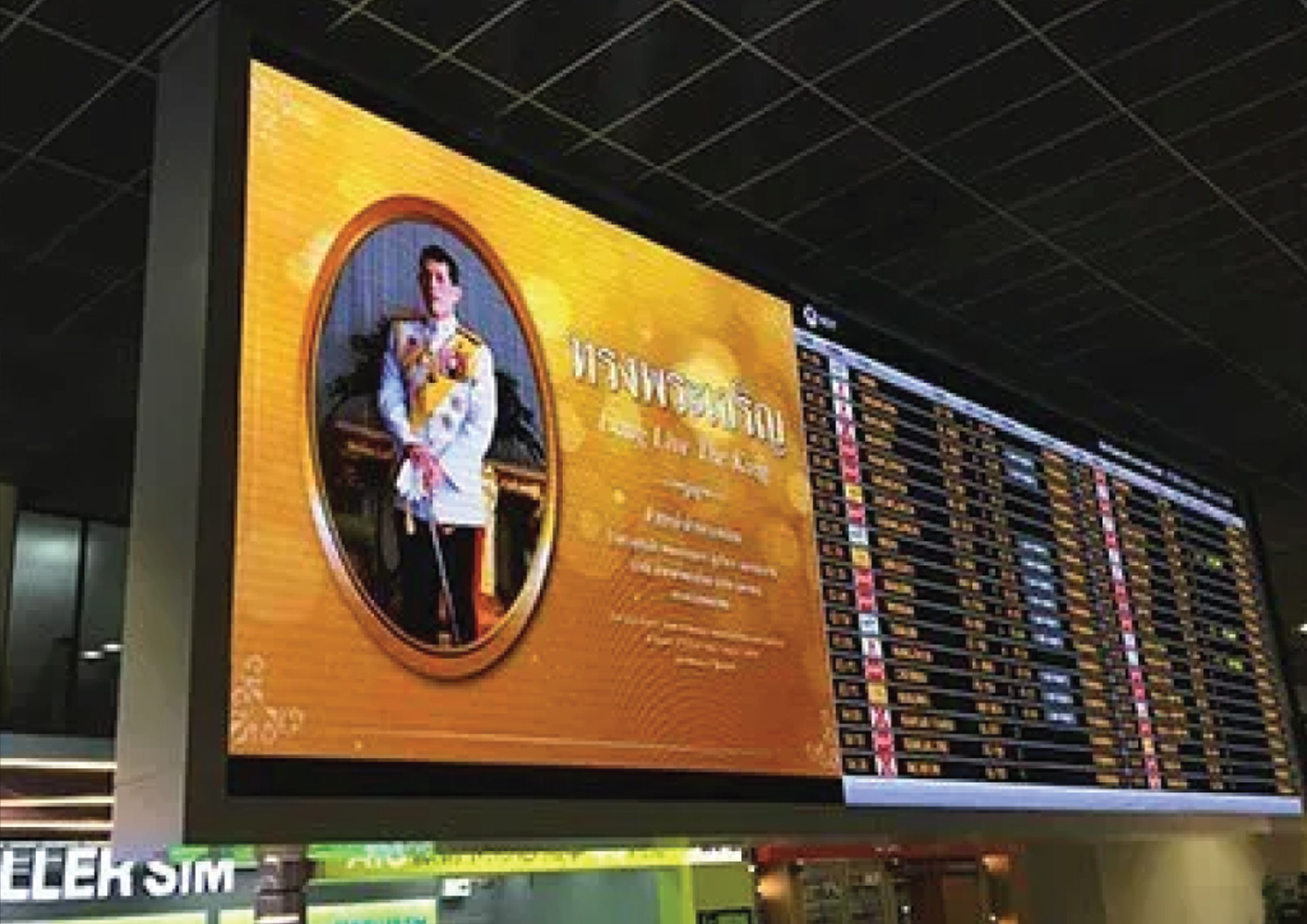
Modern business, where innovation meets efficiency, the choice of technology can significantly impact productivity and creativity. Hawaii LED Screen, a pioneering force in the realm of visual solutions, has revolutionized the way meetings unfold within corporate spaces. With their cutting-edge Conference LED Display screen, Hawaii LED Screen has seamlessly merged form and function, offering businesses a transformative experience in their meeting rooms. In this blog, we will delve into the exceptional features that make Conference LED Displays screen from Hawaii LED Screen the ideal choice for professional and modern meeting spaces.
Meetings are not just about discussions; they are about fostering collaboration and sharing ideas. Hawaii LED Screen understands the importance of space in cultivating a conducive environment. Their indoor LED screens are meticulously crafted to be slim, thin, and incredibly lightweight. This design ethos ensures that these screens seamlessly integrate into meeting rooms, requiring minimal space while maximizing visual impact. By eliminating the need for bulky equipment, Hawaii LED Screen allows businesses to optimize their meeting space, creating a clutter-free and aesthetically pleasing environment.
Lighting plays a pivotal role in setting the mood and energy of any space, especially in the context of business meetings. Hawaii LED Screen takes this principle to heart, offering professional and modern LED lighting solutions that go beyond mere illumination. These innovative lighting systems are specifically designed to promote creativity, well-being, and productivity in meetings. The right lighting can inspire innovative thinking, enhance focus, and elevate the overall atmosphere, ensuring that every discussion is infused with positivity and energy.
Meetings in the modern business landscape are not confined to physical spaces; they often transcend geographical boundaries. Hawaii LED Screen's Conference LED Displays screen are engineered to facilitate seamless integration with various communication technologies. Whether it's video conferencing, interactive presentations, or collaborative brainstorming sessions, these displays provide a vibrant canvas for dynamic content sharing. This integration fosters collaboration, enabling teams to work together efficiently, regardless of their physical location.
Recognizing that every business is unique, Hawaii LED Screen offers customizable solutions to cater to specific requirements. Whether it's the size of the LED screen, the layout of the meeting room, or the specific lighting preferences, Hawaii LED Screen collaborates closely with businesses to design tailored solutions. This attention to detail ensures that each Conference LED Display screen is not just a piece of technology but an extension of the company's brand identity, reflecting professionalism and innovation.
Hawaii LED Screen has redefined the landscape of meetings with their state-of-the-art Conference LED Displays screen. By offering slim, thin, and lightweight screens that seamlessly integrate with professional and modern LED lighting, Hawaii LED Screen has created meeting environments that inspire creativity, promote well-being, and enhance productivity. Their commitment to seamless integration and customization ensures that businesses experience meetings in a new light, where ideas flow freely, collaborations thrive, and innovations take flight. With Hawaii LED Screen, meetings are not just events; they are transformative experiences that ignite the spirit of innovation and collaboration in the heart of every business.
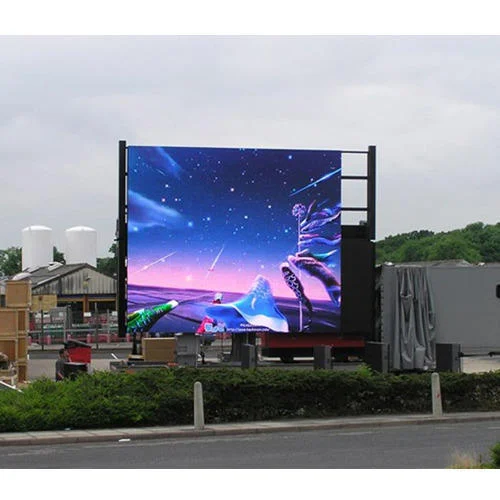
weddings have transcended traditional boundaries, evolving into extravagant spectacles of love and creativity. One revolutionary element that has seamlessly woven itself into the tapestry of modern weddings is the LED display screen. Far beyond its utilitarian purpose, these vibrant screens have become the canvas for artistic expression, capturing the essence of love stories in ways unimaginable.
Gone are the days of standard wedding videos. With LED display screens, couples now have the ability to curate their own personalized wedding narratives.Through carefully crafted custom wedding videos, these LED display screens bring these stories to life, enveloping the audience in the magic of the couple's love story. Every glance, every smile, and every moment of togetherness is vividly portrayed, creating an emotional connection that lingers long after the event.
LED display screens offer the perfect platform for this sentimental journey. Pictures and videos from childhood, shared adventures, and memorable moments are beautifully woven together, creating a heartwarming tapestry of memories. The vivid colors and sharp images make every moment unforgettable, eliciting smiles, laughter, and sometimes tears of joy from the audience.LED display screens, geographical barriers vanish. Heartfelt well-wishes from friends and family who couldn't attend in person are broadcasted on these screens
Wedding events are often packed with numerous activities, from ceremonial rituals to dance performances and speeches. Keeping guests informed about the evening's events is crucial for a seamless experience. LED display screens serve as large platforms through which guests can be kept apprised of the evening's schedule. Live updates, event highlights, and surprise announcements are displayed in real-time, ensuring that every guest is in the know. This not only adds a layer of professionalism to the event but also enhances guest engagement.
One of the most remarkable aspects of LED display screens is their ability to transform wedding venues into fantastical realms. Through custom animations and montages, these screens can create mesmerizing visual effects that support the wedding theme. Imagine a couple exchanging vows against a backdrop of blooming cherry blossoms, or guests dancing under the stars in an enchanted forest. With LED display screens, the possibilities are boundless. Whether it's a whimsical fairytale setting or an exotic destination backdrop, these screens bring imagination to life, adding a touch of magic to the celebration.
In essence, LED display screens have become the storytellers of modern weddings, weaving narratives that are as unique and beautiful as the couples themselves. Through custom wedding videos, retrospectives, heartfelt well-wishes, and creative backdrops, these screens elevate wedding events into unforgettable experiences. With an LED video wall, if you can imagine it, you can display it, making every wedding a radiant celebration of love and creativity.
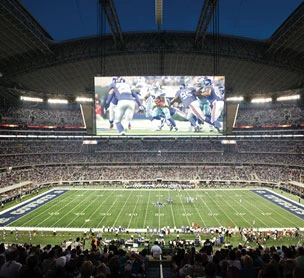
Hawaii LED Screen is leading the charge in transforming visual experiences.the power of cutting-edge LED video walls, this company is not just illuminating screens but also illuminating the future for businesses across in india. In this blog, we will explore the myriad benefits of using LED video walls, focusing on how Hawaii LED Screen.
One of the most immediate advantages of LED video walls is their ability to deliver stunning visual impact With businesses. LED video walls, with their vibrant colors, sharp contrasts, and high resolutions, bring images and videos to life, creating a visual spectacle that captivates audiences and leaves a lasting impression.
Hawaii LED Screen understands that every business is unique, and their LED video walls reflect this understanding. These versatile displays can be customized to fit any space, whether it's a small retail store or a large event venue. The flexibility in size and shape allows businesses to create immersive environments that align with their brand identity. From curved screens that wrap around spaces to interactive displays that engage customers, the possibilities are endless.
In the digital age, interactivity is key to engaging audiences. Hawaii LED Screen interactive LED video walls enable businesses to create touch-sensitive displays, turning passive viewers into active participants. This feature is particularly beneficial for retail environments, where customers can browse products, access information, and make purchases directly from the display. The seamless integration of technology and user experience fosters meaningful interactions and strengthens customer relationships.
Traditional advertising methods can be costly and limited in reach. best LED video walls offer a cost-effective solution for businesses to showcase their products, services, and promotions. With eye-catching visuals and dynamic content, companies can attract the attention of passersby, increasing foot traffic and, subsequently, sales. Hawaii LED Screen's expertise in creating compelling content ensures that businesses get the most out of their investment, maximizing the return on their advertising budget.
Hawaii LED Screen, known for its commitment to sustainability, appreciates the eco-friendly nature of LED technology.best LED video walls are energy-efficient, consuming significantly less power than traditional displays.
The best LED Video Wall boasts stunning brightness and vivid colors that make every image come alive. With high-resolution displays and impeccable clarity, it ensures that visuals are sharp, crisp, and captivating.
Designed for versatility,best LED Video Walls can be customized to fit any space. Whether it's a corporate boardroom, a retail store, a concert stage, or an outdoor event, these walls seamlessly integrate into diverse environments, enhancing the ambiance and engaging the audience.
Best LED Video Walls offer flexibility in both size and shape. From expansive screens that cover entire walls to curved displays that wrap around spaces, these walls can be tailored to suit unique requirements, providing a truly immersive viewing experience.
Some LED Video Walls come with interactive capabilities, allowing users to engage with the content. Touch-sensitive screens enable interactive presentations, gaming experiences, and dynamic information displays, making it ideal for educational institutions, museums, and retail spaces.
Embracing eco-friendly LED technology, these video walls are energy-efficient, consuming less power while delivering superior performance. This not only reduces energy costs but also aligns with sustainable practices, making it a responsible choice for businesses and organizations.
Managing content on LED Video Walls is a breeze. Intuitive software allows users to schedule, update, and customize content remotely, ensuring that the display is always showcasing the latest and most relevant information.
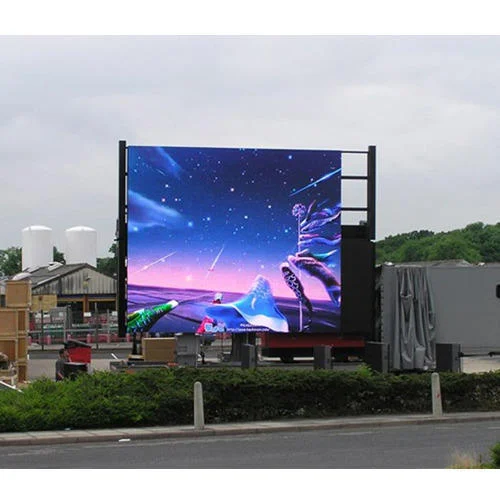
Your gateway to revolutionary advertising solutions in the heart of Kerala!Unveiling the Best LED Video Walls for Advertising," is your ultimate guide to the future of marketing in this vibrant state.We take you on a captivating journey through the evolution of advertising in Kerala, highlighting the fusion of tradition and modernity. Explore the advantages of LED video walls, from their visually stunning displays to their cost-effectiveness, and discover why they have become the preferred choice for businesses of all sizes.
Every Best LED video wall lies a seamless array of light-emitting diodes. These tiny, efficient semiconductors emit powerful light when an electric current passes through them. When thousands of these LEDs come together on a panel, they form a visually stunning, high-resolution display. Unlike traditional displays, LED video walls offer superior brightness, contrast, and color accuracy, ensuring images and videos pop with life.
-
Entertainment Industry: Best LED video walls have revolutionized the entertainment sector. Concerts, festivals, and sporting events now boast larger-than-life visuals, immersing audiences in an electrifying experience. The dynamic nature of LEDs enables seamless integration with live performances, synchronizing visuals with music and creating unforgettable moments.
-
Retail and Advertising: In the retail landscape, attracting customers' attention is paramount. Best LED video walls serve as eye-catching advertising mediums, displaying vibrant product showcases and promotional content. Their ability to deliver high-quality visuals even in well-lit environments makes them ideal for storefronts and shopping malls.
-
Corporate Sector: Modern boardrooms and conference centers have bid farewell to static presentations.Best LED video walls enhance collaboration and communication, enabling professionals to present data, charts, and videos in breathtaking detail. Real-time updates and interactive features further elevate the corporate experience.
-
Education: Educational institutions have embraced Best LED video walls as powerful teaching aids. These displays facilitate immersive learning experiences, bringing lessons to life with interactive diagrams, videos, and simulations. Complex concepts become tangible, enhancing students' understanding and engagement.
Best LED video walls are energy-efficient, consuming significantly less power than traditional displays. Their longevity minimizes electronic waste, contributing to a greener planet. Additionally, LEDs do not contain hazardous materials such as mercury, making them safer for both users and the environment.
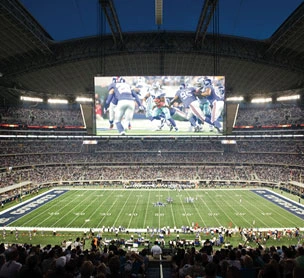
At Hawaii LED Screen, we believe in transforming these moments into visual masterpieces, where every glance, every touch, and every smile illuminates the essence of love. Today, we invite you to delve into the extraordinary world of weddings, exploring how our rental LED screens can elevate your special day into a breathtaking, immersive experience.
Our rental LED screens transform wedding events into personalized experiences. Imagine custom wedding videos, retrospectives of your relationship, heartfelt well-wishes from absent friends and family, all beautifully displayed.
With Hawaii LED Screen, your imagination knows no bounds. Our LED video walls are versatile canvases. Display custom animations, artistic montages, or even create fantastical backdrops that enhance themed receptions. If you can envision it, we can bring it to life, adding a touch of magic to your wedding.
Our rental LED screens deliver stunning, crystal-clear visuals. Every detail, every emotion, is portrayed with unparalleled clarity, ensuring your wedding story is etched in the hearts of your guests.
Hawaii LED Screen technicians ensure seamless integration of the screens into your wedding venue. From custom setups to adjusting to various spaces, our team ensures a flawless visual experience, allowing you to focus entirely on your celebration.
LED video walls offer unprecedented flexibility. Showcase not just videos, but also real-time updates, interactive content, and live feeds. Engage your guests in ways you’ve never imagined, making your wedding an interactive and memorable affair.
Your wedding day deserves nothing but the best, and our rental LED screens redefine what possible. Hawaii LED Screen stands as a beacon of innovation, illuminating your love story with brilliance and creativity. With us, your wedding becomes an unforgettable tale, told in the language of visuals.
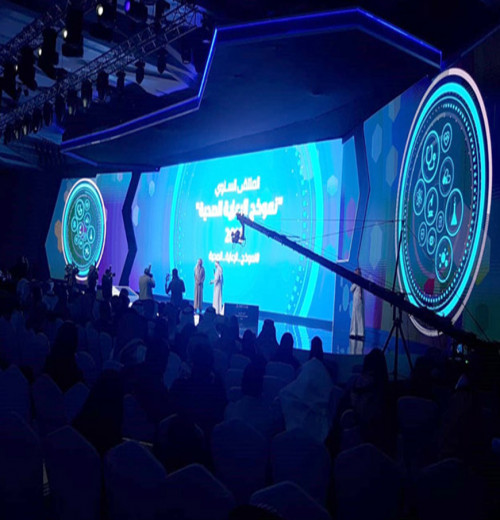
where innovation meets illumination! In todays digital age, captivating your audience is not just an option; it is a necessity. LED video walls have emerged as the engaging and informative content delivery, transforming spaces into immersive storytelling platforms. Join us as we unravel the secrets of utilizing LED video walls to create unforgettable experiences for your customers.
In a world with information, grabbing and retaining your customers attention is challenging. This is where LED video walls become game-changers. Their vibrant displays, dynamic content capabilities, and seamless integration make them ideal tools for crafting narratives that resonate with your audience.
Static content often fails to capture the imagination. LED video walls, with their high-resolution displays and vivid colors, provide a dynamic visual storytelling. Whether you are unveiling new products, sharing brand stories, or educating customers about your services, these walls breathe life into your content, making it more relatable and memorable.
The world moves fast, and so should your content. LED video walls allow real-time updates, ensuring your customers always have access to the latest information, promotions, and news. Whether you are a retail store, an event venue, or an educational institution, real-time updates enhance customer experience, making them feel valued and informed.
Interactivity engagement. LED video walls can incorporate touch-screen technology, enabling customers to actively participate in the content. From interactive menus in restaurants to virtual product demos in retail stores, these interactive experiences not only educate but also leave a lasting impression, fostering customer loyalty.
Knowledge is empowering, and LED video walls provide an excellent platform for sharing educational content. Whether it is how-to guides, product tutorials, or industry insights, these walls facilitate immersive learning experiences. Customers appreciate brands that invest in their knowledge, creating a sense of trust and credibility.
Your brand is more than just a logo; itis an experience. LED video walls can be utilized to create brand-specific ambiance.these walls set the tone, ensuring your customers connect emotionally with your brand.
Ready to transform how you engage with your customers? Hawaii LED Screen stands at the forefront of LED technology, offering innovative solutions tailored to your needs. From concept to execution, we are your partners in creating experiences that leave a lasting impact. Contact us today and let's illuminate your customer journey together!