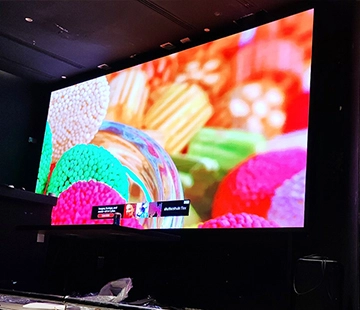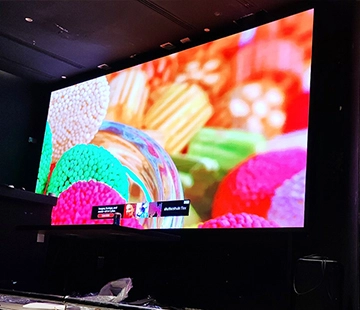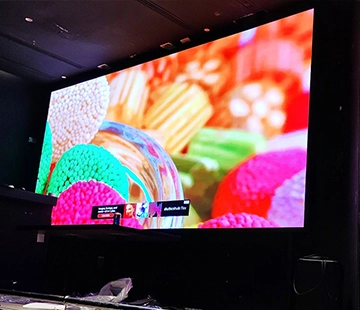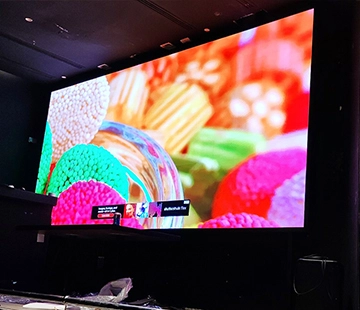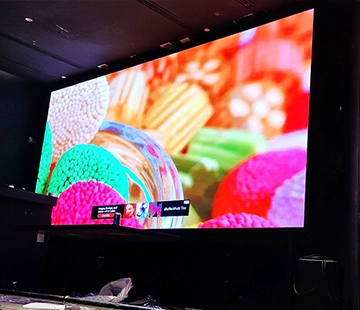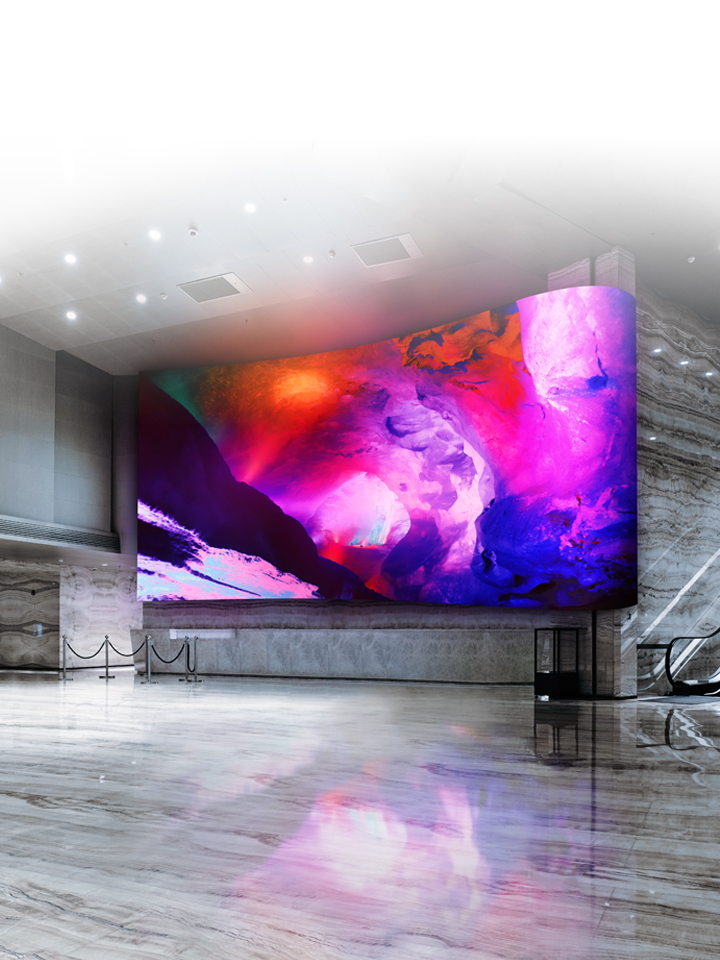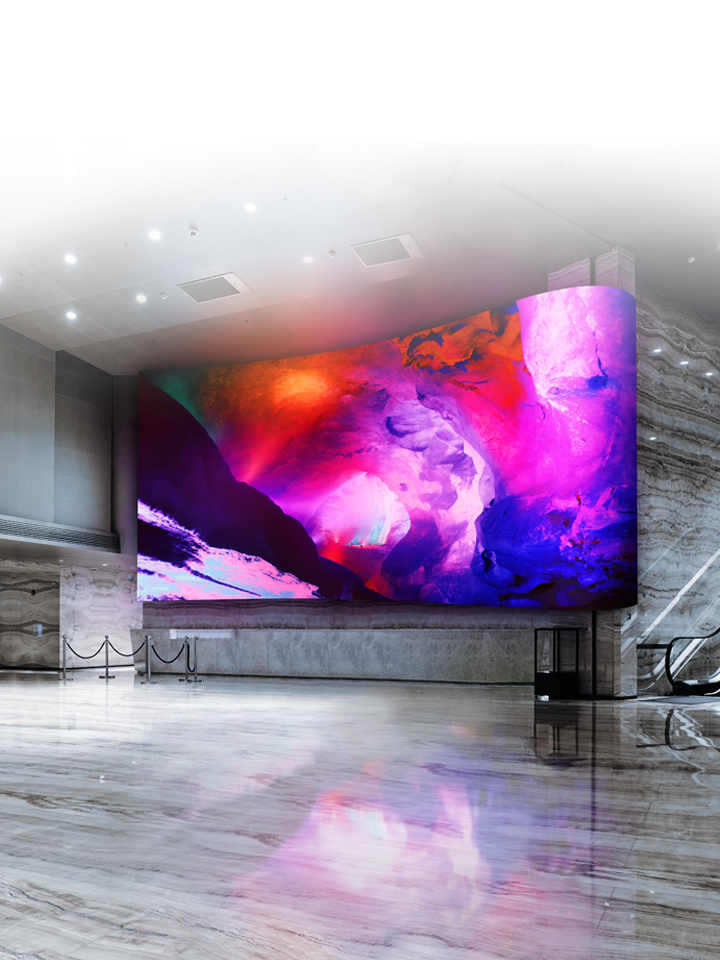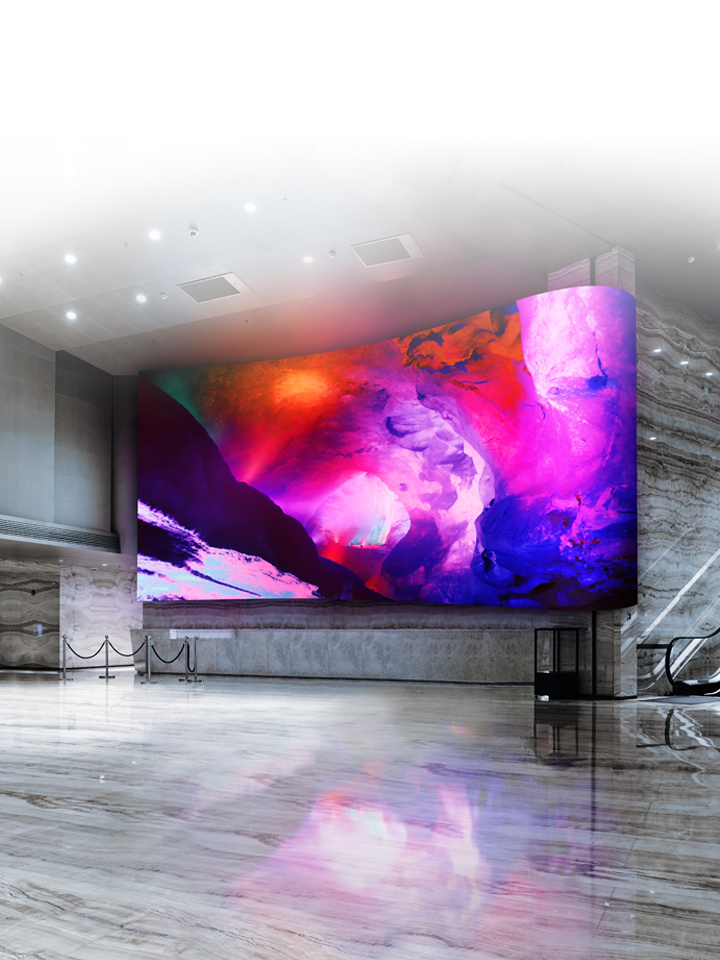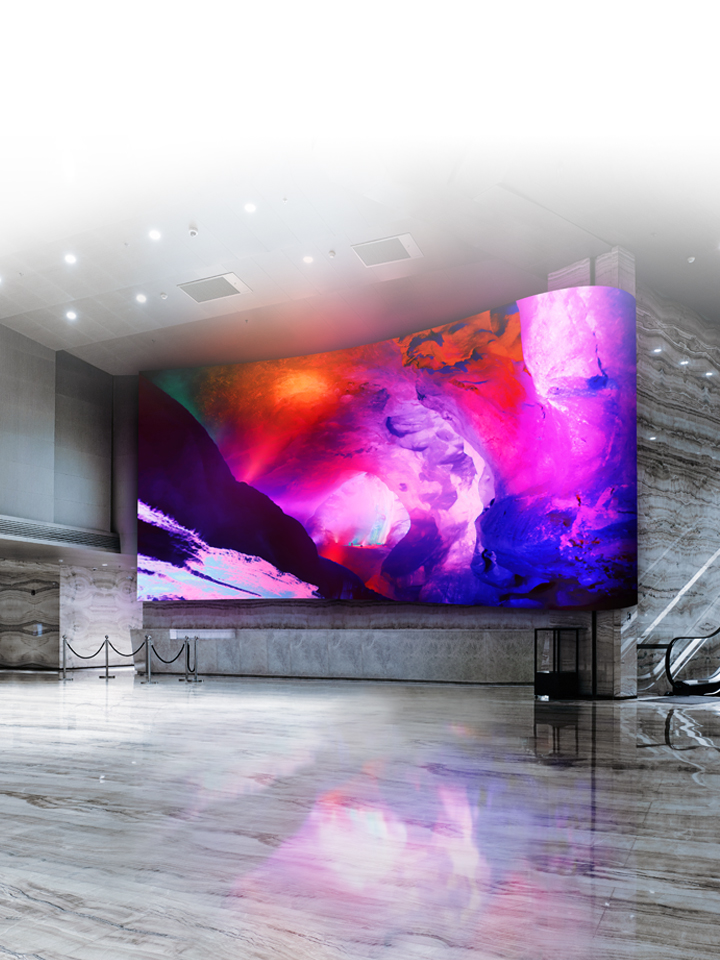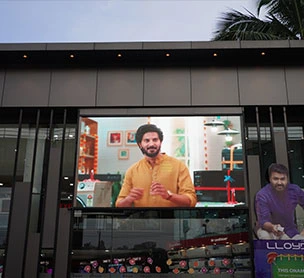
The industry LED display manufacturing in India is relatively new, and it started gaining momentum in the early 2000s. Initially, LED displays were imported from other countries, such as China and the USA, but over time, domestic manufacturers emerged in India to meet the growing demand for LED displays.One of the earliest Indian companies to start manufacturing LED displays was Barco India, which began its operations in India in 1996. The company started manufacturing LED displays for the entertainment industry, including cinema screens, and later expanded into other industries such as advertising and broadcasting.
Quality: The quality of the LED display is crucial, and you should choose a manufacturer that uses high-quality components and materials. Look for manufacturers that have a good reputation for producing durable and reliable LED displays.
Technology: The LED display manufactures should use the latest technology to produce high-quality LED displays. The manufacturer should be able to offer a wide range of display resolutions and sizes, as well as customization options.
Service and Support: The LED display manufacturers should offer excellent customer service and support. The LED display manufacturer should have a responsive customer service team that can provide technical support and help you resolve any issues that you may encounter.
Price: The price of the LED display is an important consideration. Look for a LED display manufacturers that offers competitive pricing without compromising on quality.
Experience: Choose a LED display manufacturers that has a good track record and has been in the industry for a while. An experienced manufacturer will have the expertise and knowledge to produce high-quality LED displays that meet your needs.
Customization: If you require a customized LED display, choose a LED display manufacturer that offers customization options. The manufacturer should be able to work with you to create a display that meets your specific requirements.
Warranty: Make sure that the LED display manufacturers offers a warranty on their products. The warranty should cover any defects in materials or workmanship and provide you with peace of mind that you are getting a quality product.
The industry LED display manufacturing in India has experienced significant growth in recent years, driven by the increasing demand for LED displays across various industries. The market is expected to continue growing in the coming years, driven by the government's initiatives to promote digitalization and smart cities, as well as the increasing adoption of LED lighting in homes and public spaces.
The industry LED display manufacturing in India is highly fragmented, with several small and medium-sized manufacturers operating in the market.
The industry LED display manufacturing in India caters to a wide range of industries such as sports, entertainment, advertising, transportation, and education. The demand for LED displays is particularly high in the entertainment industry, where LED displays are used for cinema screens, stage backdrops, and concert displays. The advertising industry is also a significant market for LED displays, where they are used for digital signage, billboards, and retail displays.
Raw materials: The availability of raw materials, such as LEDs, controllers, and power supplies, can be a challenge for LED display manufacturers in India. The quality of raw materials can also be inconsistent, leading to a variation in the quality of the finished product.
Skilled labor: The LED display manufacturing industry requires skilled labor, such as engineers, technicians, and assemblers. However, there is a shortage of skilled labor in India, which can make it difficult for manufacturers to find and retain talent.
Price competition: The industry LED display manufactures in India is highly competitive, and price competition can be intense. Manufacturers must balance the need to offer competitive prices with the need to maintain quality and profitability.
Quality control: Maintaining consistent quality across different batches of LED displays can be a challenge for manufacturers. Poor quality control can lead to defective products, which can damage a manufacturer's reputation and result in costly returns and repairs.
Government policies: The industry LED display manufactures in India is affected by government policies, such as import duties and taxes, which can impact the cost of raw materials and finished products. Government regulations can also be a challenge, as LED display manufacturers must comply with safety and environmental standards.
Customization: Customization of LED displays can be a challenge for manufacturers, as it requires additional resources and expertise. However, customers increasingly demand customized LED displays, which can put pressure on manufacturers to offer more customization options.
Increasing demand for energy-efficient lighting solutions: LED displays are energy-efficient and eco-friendly compared to traditional lighting solutions. As more businesses and consumers seek sustainable and energy-efficient products, the demand for LED displays is expected to increase.
Growth in the advertising industry: LED displays are widely used for advertising purposes, and the advertising industry in India is growing rapidly. As businesses seek innovative ways to promote their products and services, the demand for LED displays is expected to increase.
Advancements in technology: Advancements in LED display technology are driving the development of more innovative and efficient LED displays. For instance, the development of flexible and transparent LED displays is expected to create new opportunities for LED display manufacturers in India.
Growing demand for customized solutions: As businesses seek to differentiate themselves in a competitive market, the demand for customized LED displays is expected to increase. LED display manufacturers in India can leverage this trend by offering more customization options and providing personalized solutions.
It is also commonly known as an LED screen or LED display.LED walls are typically made up of a grid of small LED modules or tiles that are mounted together to create a larger screen. The individual modules contain thousands of tiny LED lights that emit different colors of light when electricity is applied to them.LED walls are widely used for a variety of applications, including advertising, concerts, sporting events, and public displays. They offer several advantages over traditional displays, including higher brightness, better contrast, and greater color accuracy. They are also more energy-efficient and longer-lasting than other types of displays, making them a popular choice for large-scale installations.
The construction of pixels in an LED wall involves several components, including the LED chips, the driver circuitry, and the encapsulation materials.The combination of these components creates a single pixel in an LED wall, which can emit different colors of light to create an image or video display. Multiple pixels are arranged in a grid to create larger screens with high resolution and brightness.
Mounting refers to the process of attaching an LED wall or display to a structure or support system. This is an important step in the installation process, as it ensures that the display is securely fixed in place and can be viewed from the desired location.There are several different types of mounting options available for LED walls, depending on the size and location of the display. Common mounting methods include wall-mounting, ceiling-mounting, floor-mounting, and free-standing options.Wall-mounting involves attaching the LED wall to a wall using brackets or other fastening systems. Ceiling-mounting involves suspending the LED wall from the ceiling using cables or other supports. Floor-mounting involves securing the LED wall to the floor using brackets or other anchoring systems. Free-standing options may include stands or truss systems that support the LED wall independently.
Design is a critical aspect of LED walls as it plays a key role in determining the effectiveness of the display in conveying its intended message or creating an immersive experience.LED wall design involves several elements, including the display resolution, pixel pitch, aspect ratio, color gamut, and brightness. These factors need to be carefully considered and optimized to ensure that the display meets the specific requirements of the application and achieves the desired visual impact.The aspect ratio of the display refers to the ratio of the width to the height of the screen, which affects the composition of the images and videos displayed. The color gamut refers to the range of colors that can be displayed by the LED wall, which affects the vibrancy and accuracy of the colors.
Image resolution refers to the number of pixels or dots per inch (dpi) that make up an image. In the context of LED walls, image resolution refers to the number of pixels in the display, which determines the level of detail and clarity of the images or videos displayed.The resolution of an LED wall is determined by the number of pixels in the display, typically measured in terms of width and height in pixels. For example, an LED wall with a resolution of 1920 x 1080 has 1920 pixels horizontally and 1080 pixels vertically, for a total of 2,073,600 pixels or 2 megapixels.LED walls are capable of displaying resolutions ranging from standard definition (SD) to high definition (HD) and ultra-high definition (UHD) or 4K. The appropriate resolution for a specific application depends on factors such as the size of the display, the viewing distance, and the intended use of the LED wall.
Operating controls for LED walls typically include a range of hardware and software components that allow users to control and manage the display. These controls can be used to adjust various settings such as brightness, contrast, color temperature, and content playback.Some common hardware controls for LED walls include buttons, knobs, and switches located on the display itself or on an external control panel. These controls can be used to adjust basic settings such as brightness and contrast or to switch between different inputs.Software controls for LED walls are typically accessed through a control system or software interface. This interface may be installed on a computer or mobile device and can be used to manage various aspects of the display, such as content scheduling, content playback, and image calibration.
LED walls are used for a wide range of applications, including advertising, entertainment, information display, and immersive experiences. They can be used in a variety of settings, such as outdoor billboards, indoor displays, concerts, sporting events, conferences, museums, and theme parks. LED walls are known for their high brightness, color accuracy, and dynamic visuals, making them a popular choice for creating impactful displays and engaging audiences.
LED walls are used in amusement parks for various purposes such as advertising, creating immersive environments, and enhancing visitor experiences. LED walls can be used to display ride information, schedules, and safety information, as well as promotional messages and advertisements. They can also be used to create immersive environments for rides and attractions, such as themed backdrops and interactive displays. Additionally, LED walls can be used to enhance nighttime shows and parades, creating dynamic and colorful displays that captivate visitors.
LED walls are increasingly used in churches for visual displays and communication purposes. LED walls can be used to display religious texts, lyrics, and images during services and events, making it easier for attendees to follow along and engage with the content. LED walls can also be used to display announcements, messages, and live video feeds of services and events. Additionally, LED walls can create a more immersive and engaging worship experience by displaying imagery and videos that complement the music and messages delivered during services.
In the business world, LED walls are used for a variety of purposes such as advertising, communication, and collaboration. LED walls can be used in corporate settings to display marketing messages, product information, and company branding. They can also be used for internal communication, such as displaying meeting schedules, announcements, and real-time data. In addition, LED walls can be used for collaborative work environments, such as video conferencing, brainstorming, and presentations. LED walls can create an immersive and engaging experience that captures the attention of employees, clients, and visitors alike.
LED walls are commonly used in shows, cinemas, and events for creating visually stunning displays, enhancing the audience experience, and providing information. In shows and concerts, LED walls can be used to create immersive backdrops and visuals that complement the performance. In cinemas, LED walls can be used as digital movie screens for displaying high-quality content with vibrant colors and contrast. At events such as conferences, exhibitions, and trade shows, LED walls can be used for advertising, displaying schedules and agendas, and showcasing products and services. Additionally, LED walls can create interactive experiences for attendees, such as photo booths and augmented reality displays.
Indoor LED Walls: These LED walls are designed for use in indoor settings and are typically smaller in size than outdoor LED walls. They offer high-resolution displays, vibrant colors, and a high contrast ratio, making them ideal for displaying detailed images and videos in indoor environments.
Outdoor LED Walls: These LED walls are designed for use in outdoor settings and are typically larger in size than indoor LED walls. They offer high brightness levels and weather-resistant design, making them ideal for use in outdoor events, concerts, and sporting events.
Fixed LED Walls: These LED walls are permanently installed in a location, such as in a stadium or auditorium. They offer a high level of customization and can be designed to fit the specific needs of the location.
Mobile LED Walls: These LED walls are designed to be mobile and are typically mounted on trailers or trucks. They offer flexibility and portability, making them ideal for use in outdoor events and mobile advertising campaigns.
Flexible LED Walls: These LED walls use flexible LED modules that can be curved or shaped to fit non-traditional display surfaces. They offer unique design possibilities and can be used for creating immersive displays in curved or irregular spaces.
Transparent LED Walls: These LED walls use transparent LED modules that allow for see-through displays. They offer a unique visual effect and can be used in a variety of settings, such as retail displays and architectural installations.
The G-Pro series of rental LED screen by Hawaii LED Screen is a range of high-performance LED display screens designed for indoor and outdoor events, concerts, conferences, and other applications that require large, high-resolution displays.The G-Pro series features a lightweight and durable aluminum frame that makes it easy to set up and transport. The LED screens are available in various sizes, ranging from 4 meters to 20 meters wide, and feature a high pixel density of up to 65000 pixels per square meter, ensuring clear and sharp visuals even from a distance.The G-Pro series also features advanced video processing technology that enables seamless playback of high-resolution video content, as well as multiple input options including HDMI, DVI, VGA, and SDI. The screens are also compatible with a range of media players, enabling users to play content directly from a USB stick or other storage device.Other features of the G-Pro series include high refresh rates of up to 3840Hz, which help to prevent image distortion and ensure smooth, flicker-free playback, and high brightness levels of up to 5000 nits, making them suitable for use in outdoor environments.
Premium Lightweight Design: The G-Pro series of Hawaii LED Screen features a die-cast aluminum cabinet that weighs only 7kg, making it one of the lightest LED screens in the market. This makes it easy to transport and set up for various events.
Plug n Play Magnetic Front/Rear Access Module: The G-Pro series of Hawaii LED Screen is designed with a magnetic front/rear access module that makes it easy to install and maintain. This feature allows for quick and easy replacement of any faulty modules.
Unique Stable Heptocurve Locking System: The G-Pro series of Hawaii LED Screen comes with a unique stable heptocurve locking system that ensures a secure and stable installation. This feature helps to prevent any wobbling or movement of the LED screen during use.
Seamless and Flat Installation Guaranteed: The G-Pro series of Hawaii LED Screen is designed to provide a seamless and flat installation, ensuring that the screen is completely level and without any visible gaps or lines.
Multi-Scenario Applications: The G-Pro series of Hawaii LED Screen is versatile and can be used for a variety of applications such as stacking, hanging, wall-mounting, dance floors, and various shapes. This feature allows for the creation of unique and creative displays that fit the specific needs of different events.
Concerts and live events: The high-resolution display and advanced video processing technology make the G-Pro series ideal for concerts and other live events where large LED screens are needed to display video content.
Sports events: The high refresh rates and brightness levels of the G-Pro series make it ideal for use in sports events, where clear, high-resolution LED displays are needed to display scores, replays, and other content.
Conferences and trade shows: The G-Pro series is ideal for use in conferences and trade shows where large, high-resolution LED displays are needed to showcase products and services.
Festivals and outdoor events: The high brightness levels and weather-resistant design of the G-Pro series make it suitable for use in outdoor events such as festivals, fairs, and other outdoor gatherings.
Advertising and branding: The G-Pro series is suitable for use in advertising and branding campaigns, where large, high-resolution displays are needed to showcase products, services, and brands.
Public installations: The G-Pro series can also be used for public installations such as outdoor digital signage, interactive displays, and other applications where a high-resolution LED display is needed.
High-Quality Visuals: The G-Pro series of Hawaii LED Screen provides high-quality visuals with high resolution, brightness, and contrast ratios. This makes it ideal for use in various applications such as concerts, sports events, conferences, and public installations.
Lightweight and Portable Design: The G-Pro series of Hawaii LED Screen is designed with a lightweight and portable design, making it easy to transport and set up for different events. This feature saves time and money by reducing the need for heavy equipment and additional staff.
Easy Installation and Maintenance: The G-Pro series of Hawaii LED Screen features a plug and play magnetic front/rear access module, making it easy to install and maintain. This feature saves time and money by reducing the need for specialized technicians.
Stable and Secure Locking System: The G-Pro series of Hawaii LED Screen comes with a unique stable heptocurve locking system that ensures a secure and stable installation. This feature helps to prevent any wobbling or movement of the LED screen during use, ensuring a stable and secure display.
Customizable and Creative Displays: The G-Pro series of Hawaii LED Screen is designed with multi-scenario applications, allowing users to create unique and creative LED displays that fit the specific needs of different events. This feature allows for more versatile and dynamic displays.
Energy Efficient: The G-Pro series of Hawaii LED Screen is designed to be energy efficient, helping to reduce operating costs and minimize the impact on the environment. This feature makes it a sustainable and cost-effective choice for different events and applications.
High brightness and vivid colors: LED video walls are known for their high brightness levels and vivid colors, making them ideal for outdoor events and environments with high ambient light. This ensures that the visuals are visible even in bright sunlight.
Large-scale displays: LED video walls can be scaled up to huge sizes, making them ideal for large-scale events such as concerts, festivals, and sporting events.
Versatility: LED video walls can be configured in a range of sizes, shapes, and orientations to suit the needs of a particular event or environment. This flexibility makes them ideal for a range of applications, from trade shows to corporate events.
High resolution: LED video walls are capable of displaying high-definition content, providing sharp and detailed images and videos that capture the attention of viewers.
Energy-efficient: LED technology is energy-efficient, making LED video walls an environmentally friendly choice. They use significantly less power compared to traditional display screens, reducing energy costs.
Easy to install and operate: LED video walls are modular and can be quickly set up and configured, which means they can be installed in a matter of hours. They are also easy to operate, with advanced control systems that allow event organizers to control the content being displayed and adjust the brightness and color of the screen to match the environment.
Visual appeal:LED Video walls can add an impressive visual element to a space. With high-quality displays and vivid colors, they can transform an ordinary room into an impressive visual experience.
Customization:LED Video walls can be customized to fit the specific needs of a space, from size and shape to content and interactivity. This flexibility allows them to be tailored to the unique style and feel of a room.
Mood-setting:LED Video walls can be used to set the mood of a space. For example, in a restaurant or lounge, video walls can display images and videos that create a relaxing or romantic atmosphere. In a retail store, they can be used to showcase products in a way that engages customers.
Interactivity:LED Video walls can be interactive, allowing users to engage with the content in real-time. This can create a more engaging and entertaining experience for visitors.
Branding:LED Video walls can be used to display branding, logos, and advertisements, which can help to promote the brand and enhance the overall ambiance of the space.
Branding:LED Video walls can be used to showcase branding, logos, and advertisements, which can help to promote the brand and enhance brand recognition.
Product displays:LED Video walls can be used to showcase products, services, or special deals. This can be done through high-quality images, videos, and interactive content, which can engage customers and promote the product or service.
Targeted advertising:LED Video walls can be used for targeted advertising, where specific content is displayed based on the time of day, location, or other factors. This can be an effective way to reach a specific audience and promote relevant products or services.
Interactive experiences:LED Video walls can be used to create interactive experiences, such as games or social media walls, that allow customers to engage with the brand in a fun and memorable way.
Event promotion:LED Video walls can be used to promote events or promotions, such as upcoming concerts or store-wide sales. This can help to create awareness and drive customer traffic to the event or promotion.
Attractiveness: LED screens are highly attractive and attention-grabbing, which can help draw more customers to your store. The bright and vivid colors of LED screens can be seen from a distance and are highly effective in capturing the attention of passersby.
Versatility: LED screens are highly versatile and can be used to display a wide range of content. You can display promotional content, advertisements, information about products or services, and more.
Customization: LED screens can be customized to suit your specific needs. You can choose the size, shape, and resolution of your screen to ensure that your content is displayed in the best possible way.
Energy efficiency: LED screens are highly energy efficient and consume very little power. This can help reduce your energy costs and make your store more eco-friendly.
Low maintenance: LED screens require very little maintenance and are highly durable. They can withstand extreme weather conditions and are resistant to damage from impact and scratches.
Improved brand awareness: LED screens are an effective way to improve brand awareness and increase brand recognition. Displaying your brand name, logo, and other branding elements on an LED screen can help build brand awareness and make your store more memorable.
Real-time updates: LED screens can be updated in real-time, which means you can easily change your content to reflect new promotions, events, or other information. This can help keep your displays relevant and up-to-date.
Screen size: The size of the LED screen is a critical factor to consider as it will depend on the size of the window and the distance from which people will be viewing the screen. Choose a screen size that is appropriate for the window size and the intended viewing distance.
Pixel pitch: The pixel pitch is the distance between the pixels on the LED screen. The smaller the pixel pitch, the higher the resolution, and the better the image quality. However, screens with smaller pixel pitches tend to be more expensive.
Brightness: The brightness of the LED screen is an important consideration, particularly if the screen will be exposed to direct sunlight. Look for a LED screen with a brightness level of 5000 nits or higher for maximum visibility.
Contrast ratio: A high contrast ratio will make the images on the LED screen appear more vivid and vibrant. Look for a screen with a contrast ratio of at least 3000:1.
Viewing angle: The viewing angle is the maximum angle at which the LED screen can be viewed without the image becoming distorted or washed out. Look for a screen with a wide viewing angle to ensure that your message can be seen clearly from various angles.
Durability: Look for an LED screen that is designed for outdoor use and is weather-resistant. It should also be durable enough to withstand any accidental impacts or vandalism.
Maintenance: Consider the ease of maintenance and repair for the LED screen, as any downtime can result in lost revenue. Look for screens with modular components that can be easily replaced.
Content management: Consider how you will be managing the content displayed on the LED screen. Look for screens that are compatible with your preferred content management system or offer their software.
Budget: Finally, consider your budget when choosing an LED screen. Prices can vary widely depending on the size, resolution, and other features of the screen. Consider the long-term benefits of the LED screen and the expected return on investment when making your decision.
Screen cost: The cost of the LED screen itself can vary depending on the size and quality of the display. A small, low-resolution LED screen may cost a few hundred dollars, while a larger, high-resolution LED screen can cost tens of thousands of dollars.
Installation cost: The cost of installation can vary depending on the complexity of the installation, the location of the display, and other factors. In some cases, the cost of installation may be included in the cost of the screen.
Content management cost: Depending on the content management system used, there may be ongoing costs associated with creating and updating content for the display.
Energy cost: LED displays require electricity to operate, so there will be ongoing energy costs associated with running the display.
Maintenance and repair cost: Over time, the LED display may require maintenance or repair, which can result in additional costs.
Pixel pitch: For higher-resolution LED Screen displays, consider a pixel pitch of 2.5mm or smaller. For displays that will be viewed from a greater distance, a pixel pitch of 5mm or larger may be sufficient.
Brightness: Look for LED Screen displays with a brightness level of 5000 nits or higher to ensure that your content is visible even in direct sunlight.
Contrast ratio: A high contrast ratio of 3000:1 or higher will make your images appear more vivid and vibrant.
Viewing angle: Choose a LED Screen display with a wide viewing angle to ensure that your message can be seen clearly from various angles.
Durability: Look for LED Screen displays that are designed for outdoor use and are weather-resistant. Displays with a higher IP rating (e.g. IP65 or higher) are more resistant to dust and water.
Maintenance: Look for LED Screen displays with modular components that can be easily replaced in case of damage or malfunction.
Content management: Choose a LED Screen display that is compatible with your preferred content management system or that offers an easy-to-use software for managing your content.
Use eye-catching visuals: Use bold and vibrant colors, large fonts, and images that are relevant to your product or service. This will help your message stand out and attract attention.
Offer discounts or promotions: Offering discounts or promotions is a great way to grab a customer's attention. Use creative messaging to highlight the discount or promotion and make sure the offer is relevant to your customers' needs.
Engage with your customers: Engage with your customers in a personal way. Use social media platforms to have a conversation with your customers, and ask for their feedback and opinions. This will make them feel valued and more likely to engage with your brand.
Personalize your messaging: Use customer data to personalize your messaging. Send personalized emails with recommended products or services based on their previous purchases or browsing history. This will make them feel that you care about their individual needs and will increase the likelihood of them making a purchase.
Create a unique experience: Create a unique in-store experience that will make your customers want to come back. Use interactive displays, virtual try-on technologies, or other engaging technologies that are relevant to your product or service. This will create a memorable experience that will keep your customers coming back.
Determine the hanging location: The first step in hanging installation of a rental LED screen is to determine the location where the screen will be hung. This can include considering the weight and size of the screen, as well as the height and visibility of the location.
Install the hanging structure: Once the location is chosen, you will need to install the hanging structure for the LED screen. This can include a truss or other rigging system that is rated for the weight and load of the screen.
Mount the LED panels: After the hanging structure is installed, you can mount the LED panels onto the structure. The panels should be securely attached to the structure using rigging hardware, such as clamps or brackets.
Connect the power and data cables: After the panels are mounted, you will need to connect the power and data cables. Make sure to follow the manufacturer's instructions for wiring and electrical requirements.
Test the screen: Once the screen is installed and connected, you should test it to ensure that it is working properly. This can include testing the brightness, color, and overall functionality of the screen.
Secure the screen: After testing, make sure the screen is secured and properly fastened, ensuring that it won't become loose or unstable during the event.
Dismantle the screen: After the event or exhibition is over, you will need to dismantle the LED screen and remove it from the hanging structure. Make sure to follow any necessary safety procedures when dismantling the screen.
Choose the right location: The first step in wall mounting an LED screen is to choose the right location. The wall should be strong enough to support the weight of the screen and should be visible from a distance.
Locate the studs: Once you've chosen the location, you will need to locate the studs in the wall. You can use a stud finder to locate the studs and mark their locations on the wall.
Install the mounting bracket: After locating the studs, you will need to install the mounting bracket for the LED screen. Make sure to use a bracket that is designed to support the weight of your specific screen.
Attach the bracket to the wall: Once the mounting bracket is in place, you will need to attach it to the wall. Use screws that are long enough to reach the studs and make sure to tighten them securely.
Install the LED screen onto the bracket: Once the mounting bracket is attached to the wall, you can install the LED screen onto the bracket. Most mounting brackets have hooks or other mechanisms that allow you to attach the screen to the bracket.
Connect the cables: After the LED screen is mounted, you will need to connect the power and data cables. Make sure to follow the manufacturer's instructions for wiring and electrical requirements.
Test the screen: Once the LED screen is mounted and connected, you should test it to ensure that it is working properly. This can include testing the brightness, color, and overall functionality of the screen.
Maintain the screen: LED screens require regular maintenance to ensure that they continue to function properly. This can include cleaning the screen, checking for loose connections, and replacing any faulty components.
Choose the right location: The first step in wall embedded installation of an LED screen is to choose the right location. The wall should be able to accommodate the size of the screen and should be visible from a distance.
Prepare the wall: Before installing the LED screen, you will need to prepare the wall. This includes cutting a hole in the wall to fit the screen and installing a frame or mounting system to hold the screen in place.
Install the LED screen: Once the wall is prepared, you can install the LED screen. This typically involves sliding the screen into the opening and securing it in place with screws or other fasteners.
Connect the power and data cables: After the screen is installed, you will need to connect the power and data cables. Make sure to follow the manufacturer's instructions for wiring and electrical requirements.
Test the screen: Once the screen is installed and connected, you should test it to ensure that it is working properly. This can include testing the brightness, color, and overall functionality of the screen.
Finish the wall: After the screen is installed and tested, you will need to finish the wall. This typically involves painting or covering the opening with a decorative panel that matches the surrounding wall.
Maintain the screen: LED screens require regular maintenance to ensure that they continue to function properly. This can include cleaning the screen, checking for loose connections, and replacing any faulty components.
Choose the right location: The first step in column installation of an LED screen is to choose the right location. The column should be positioned in a location that provides good visibility and is easy to access for maintenance.
Prepare the column: Before installing the LED screen, you will need to prepare the column. This includes measuring the diameter of the column, choosing the right size of the LED screen and the mounting system, and cleaning the surface where the screen will be mounted.
Install the mounting system: Once the column is prepared, you will need to install the mounting system for the LED screen. This can include brackets, frames, and other components that will hold the screen in place.
Install the LED screen: Once the mounting system is in place, you can install the LED screen. This typically involves attaching the screen to the mounting system using screws or other fasteners.
Connect the power and data cables: After the screen is installed, you will need to connect the power and data cables. Make sure to follow the manufacturer's instructions for wiring and electrical requirements.
Test the screen: Once the screen is installed and connected, you should test it to ensure that it is working properly. This can include testing the brightness, color, and overall functionality of the screen.
Maintain the screen: LED screens require regular maintenance to ensure that they continue to function properly. This can include cleaning the screen, checking for loose connections, and replacing any faulty components.
Assess the building structure: The first step in building roof installation of an LED screen is to assess the building structure to ensure that it can support the weight and wind load of the screen. You may need to consult with a structural engineer or building code expert to determine the requirements and limitations of the building.
Obtain necessary permits: Before installing the LED screen, you will need to obtain any necessary permits from local authorities. This can include permits for building, electrical, and safety considerations.
Choose the right location: The location of the LED screen on the building roof should be carefully chosen to provide good visibility and minimal interference with other building elements. It should also be easily accessible for maintenance.
Install the mounting system: Once the location is chosen, you will need to install the mounting system for the LED screen. This can include a metal frame, brackets, and other components that will hold the screen in place.
Install the LED screen: Once the mounting system is in place, you can install the LED screen. This typically involves attaching the screen to the mounting system using screws or other fasteners.
Connect the power and data cables: After the screen is installed, you will need to connect the power and data cables. Make sure to follow the manufacturer's instructions for wiring and electrical requirements.
Test the screen: Once the screen is installed and connected, you should test it to ensure that it is working properly. This can include testing the brightness, color, and overall functionality of the screen.
Maintain the screen: LED screens require regular maintenance to ensure that they continue to function properly. This can include cleaning the screen, checking for loose connections, and replacing any faulty components.
Plan the curve: The first step in curved installation of an LED screen is to plan the curve of the screen. This can include determining the radius of the curve, the angle of the curve, and the overall size of the LED screen.
Install the frame: Once the curve is planned, you will need to install a metal frame that matches the curve of the screen. The frame should be strong enough to support the weight of the screen and should be securely anchored to the wall or other structure.
Mount the LED panels: After the frame is installed, you can mount the LED panels onto the frame. The panels should be curved to match the shape of the frame and should be securely attached to the frame using screws or other fasteners.
Connect the power and data cables: After the panels are mounted, you will need to connect the power and data cables. Make sure to follow the manufacturer's instructions for wiring and electrical requirements.
Test the screen: Once the screen is installed and connected, you should test it to ensure that it is working properly. This can include testing the brightness, color, and overall functionality of the screen.
Maintain the screen: LED screens require regular maintenance to ensure that they continue to function properly. This can include cleaning the screen, checking for loose connections, and replacing any faulty components.
A transparent LED screen is a type of display technology that allows viewers to see through the screen while still displaying digital content. These screens are constructed using a grid of small, light-emitting diodes (LEDs) that are arranged in a way that allows light to pass through the screen.
Unlike traditional LED screens, which are typically opaque and obstruct the view of whatever is behind them, transparent LED screens are designed to be see-through, enabling them to blend seamlessly into their surroundings. This makes them ideal for use in environments where maintaining an unobstructed view is important, such as retail storefronts, museums, and outdoor advertising.
Transparent LED screens are typically lightweight and can be mounted on a variety of surfaces, including glass, metal, and concrete. They can be used to display a wide range of content, including static images, video, and interactive content, and can be controlled remotely using a computer or mobile device.
Enhance the Aesthetics of a Space: Transparent LED displays are designed to be see-through, enabling them to blend seamlessly into their surroundings. This feature can enhance the aesthetics of a space and make it more visually appealing, especially in areas where traditional displays would look out of place or obstruct the view.
Increase Visibility: Transparent LED displays can help businesses and organizations increase their visibility by providing an eye-catching and attention-grabbing display. The see-through feature of the display allows people to see both the content on the display and what is behind it, making it an ideal option for storefront windows or large retail spaces.
Save Space: Transparent LED displays can help save space as they can be mounted on a variety of surfaces, including glass, metal, and concrete. This flexibility allows businesses to maximize their use of space and create visually stunning displays in areas where traditional displays would not fit.
Improve Safety: Transparent LED displays can also help improve safety in areas where visibility is important, such as airports or train stations. By allowing people to see through the display, it can help them navigate and find their way more easily, reducing the risk of accidents or confusion.
A transparent LED screen is made up of a grid of small, light-emitting diodes (LEDs) that are arranged in a specific pattern on a transparent substrate material. These LEDs are similar to the ones used in traditional LED displays but are made to be see-through.
The LED pixels in a transparent LED screen are made of two layers of transparent conductive materials with a layer of LED light-emitting materials in between. When electricity is applied to the LED screen, the LED lights emit light in the form of red, green, or blue light, which is combined to form a full-color display.
To create a transparent LED screen, the LED modules are mounted onto a transparent substrate, such as glass, using specialized hardware. The substrate material is usually a high-strength, durable material that is able to withstand high temperatures and weather conditions.
The LED modules are then connected to a control system that manages the display of the content on the screen. This control system can be controlled remotely using a computer or mobile device and can be programmed to display a wide range of content, including text, images, and videos.
The see-through nature of the transparent LED screen is achieved by making the substrate material transparent and ensuring that the LEDs do not block the view of whatever is behind the screen. This is typically accomplished by designing the LED pixels in a specific pattern that allows light to pass through the screen while still providing an adequate amount of light for the display.
Retail Stores: Transparent LED screens are used in retail stores to create eye-catching displays that showcase products and promotions while still allowing customers to see through the screen to the store's interior.
Exhibitions and Museums: Transparent LED screens are also used in exhibitions and museums to create immersive displays that showcase artifacts and exhibits while still providing a view of the surrounding area.
Advertising and Promotion: Transparent LED screens are used in outdoor advertising to create dynamic and attention-grabbing displays that are visible both day and night. They can be used in a variety of settings, including billboards, storefronts, and event venues.
Entertainment: Transparent LED screens are used in entertainment settings, such as concerts and theater productions, to create visually stunning backdrops and displays that enhance the overall experience for the audience.
Architecture and Interior Design: Transparent LED screens are used in architecture and interior design to create dynamic and interactive displays that blend seamlessly into the surrounding space.
Visibility: Transparent LED screens provide excellent visibility because they can be placed in front of a background without obscuring the view. This allows viewers to see both the content on the display and what is behind it, creating a more immersive and engaging experience.
Flexibility: Transparent LED screens are highly flexible and can be customized to fit a wide range of shapes and sizes. They can be mounted on a variety of surfaces, including glass, metal, and concrete, allowing for maximum use of space.
Aesthetics: Transparent LED screens are designed to be see-through, making them an excellent option for spaces where traditional displays would look out of place or obstruct the view. They blend seamlessly into their surroundings, enhancing the aesthetics of a space.
Energy Efficiency: Transparent LED screens are highly energy-efficient, consuming less power than traditional display technologies. They also produce less heat, reducing the need for cooling systems and further reducing energy consumption.
Durability: Transparent LED screens are highly durable and resistant to damage from environmental factors such as water and dust. They are also less susceptible to damage from impact, making them ideal for use in high-traffic areas.
Retail: Transparent LED screens can be used in retail stores to create eye-catching displays that showcase products and promotions while still allowing customers to see through the screen to the store's interior. This can help retailers to draw attention to their products and boost sales.
Advertising: Transparent LED screens are used in outdoor advertising to create dynamic and attention-grabbing displays that are visible both day and night. They can be used in a variety of settings, including billboards, storefronts, and event venues, and can help advertisers to capture the attention of their target audience.
Exhibitions and Museums: Transparent LED screens are used in exhibitions and museums to create immersive displays that showcase artifacts and exhibits while still providing a view of the surrounding area. This can help to create a more engaging and interactive experience for visitors.
Entertainment: Transparent LED screens are used in entertainment settings, such as concerts and theater productions, to create visually stunning backdrops and displays that enhance the overall experience for the audience.
Architecture and Interior Design: Transparent LED screens are used in architecture and interior design to create dynamic and interactive displays that blend seamlessly into the surrounding space. They can be used in building facades, partitions, and furniture, among other things, to create a visually stunning and immersive experience.
In conclusion, transparent LED screens are a unique and versatile technology that offers many advantages over traditional display technologies. They provide excellent visibility while still allowing viewers to see through the screen, making them an ideal choice for a variety of applications. Transparent LED screens are highly flexible and customizable, can blend seamlessly into their surroundings, and are energy-efficient and durable. They have applications in various industries, including retail, advertising, entertainment, architecture, and interior design. With their ability to create dynamic and engaging displays, transparent LED screens are set to become increasingly popular and ubiquitous in the years to come.
Flight information: LED displays can show real-time information about flights, including departure and arrival times, gate numbers, and any delays or cancellations. This can help passengers stay informed about their flights and make any necessary adjustments to their travel plans.
Wayfinding: Large LED displays can be used to guide passengers through the airport, showing directions to different terminals, gates, and other important locations. This can help passengers navigate the airport more easily and reduce the likelihood of missed flights.
Advertising: Airports can use LED displays to show targeted advertising to passengers. This can include promotions for airport restaurants, shops, and services, as well as ads for local attractions and businesses.
Entertainment: LED displays can be used to show videos, images, and other multimedia content to entertain passengers while they wait for their flights. This can include news updates, sports highlights, and other programming.
Emergency notifications: In the event of an emergency, LED displays can be used to quickly and easily communicate important information to passengers. This can include instructions for evacuating the airport, information about the nature of the emergency, and updates on any relevant developments.
Viewing distance: The viewing distance is the distance between the viewer and the LED display. This is an important factor to consider because it will determine the pixel pitch or resolution needed for the display. For example, a higher resolution display is needed for applications where viewers will be farther away, such as a large outdoor billboard.
Brightness: The brightness of an LED display is measured in nits or candelas per square meter (cd/m²). The brightness level needed will depend on the ambient lighting conditions in the environment where the display will be located. For example, a brighter display is needed for outdoor applications to ensure that the content is visible in direct sunlight.
Size: The size of the LED display is an important consideration as it will impact the overall cost, visibility, and installation requirements. The size of the display should be based on the intended viewing distance and the available space.
Environmental factors: The LED display should be designed to withstand the environmental conditions of the airport, including temperature, humidity, and exposure to the elements. It should also be able to withstand the wear and tear of high foot traffic and potential impact from luggage or other objects.
Energy efficiency: LED displays are typically more energy-efficient than other types of displays, but there can still be significant differences in energy consumption between different models. Choosing a more energy-efficient display can help reduce operating costs over time.
Content management: The LED display should be compatible with the content management system used by the airport. This will ensure that the content can be easily updated and managed in real-time, such as for displaying flight schedules or emergency notifications.
Improved visibility: LED displays are bright and clear, making them highly visible even in bright sunlight or dimly lit environments. This makes them ideal for displaying critical information such as flight schedules, wayfinding instructions, and emergency notifications.
Energy efficiency: LED displays are highly energy-efficient, using up to 90% less power than traditional incandescent or fluorescent lighting. This can result in significant cost savings for airports, which typically have high energy bills.
Durability: LED displays are highly durable and can withstand extreme temperatures, humidity, and other harsh environmental conditions. This makes them ideal for use in outdoor environments and in areas with high foot traffic.
Flexibility: LED displays can be designed in a wide range of shapes and sizes, making them highly versatile for airport applications. They can be used for everything from large outdoor billboards to small indoor displays.
Customization: LED displays can be easily customized to meet the specific needs of airports. This includes the ability to display real-time flight information, directions to different gates, advertisements for airport services, and other types of content.
Low maintenance: LED displays require minimal maintenance and have a long lifespan, making them a cost-effective option for airports. This can help reduce the need for frequent repairs and replacements, resulting in less downtime and fewer disruptions for passengers.
Flight information: One of the most important types of messages that LED displays can be used for in an airport is real-time flight information. This includes flight arrival and departure times, gate numbers, and any relevant updates or delays.
Wayfinding instructions: LED displays can also be used to provide wayfinding instructions for passengers. This includes directions to different gates, terminals, and airport services such as baggage claim or customs.
Emergency notifications: In the event of an emergency, LED displays can be used to quickly and effectively communicate important information to passengers. This might include instructions for evacuating the airport, information about the nature of the emergency, and updates on any relevant developments.
Advertising: LED displays can also be used to display targeted advertising for airport restaurants, shops, and services. This can help generate additional revenue for the airport while also providing useful information for passengers.
Health and safety messages: With the ongoing COVID-19 pandemic, LED displays can also be used to display health and safety messages for passengers. This might include reminders to wear masks, wash hands, and practice social distancing.
General announcements: LED displays can also be used to make general announcements, such as reminders about security procedures or information about airport events or services.
Promoting local businesses: LED displays can be used to promote local restaurants, shops, and other businesses that are located in the airport or nearby. This can help to increase foot traffic for these businesses and provide useful information for passengers who are looking for services and amenities in the airport.
Showcasing national or international brands: LED displays can also be used to showcase national or international brands that have a presence in the airport. This might include fashion retailers, electronics companies, or other businesses that have products or services that are relevant to airport travelers.
Targeting specific audiences: LED displays can be programmed to display targeted advertising content based on factors such as the time of day, the location of the display, or the demographic profile of the viewers. This can help to ensure that advertising content is highly relevant and effective in reaching its intended audience.
Creating interactive experiences: LED displays can also be used to create interactive advertising experiences that allow viewers to engage with the content in a variety of ways. This might include games, quizzes, or other interactive experiences that are designed to capture the attention of viewers and create a more engaging advertising experience.
Entertainment information is a type of content that can be displayed on LED displays in an airport setting. This might include information about upcoming events, concerts, or shows, as well as information about popular tourist attractions in the local area.
LED displays can be used to showcase this information in a visually compelling way, using high-quality graphics and video content to capture the attention of passengers. This can be especially useful for airports that serve as popular tourist destinations, as it allows passengers to learn more about local attractions and events while they wait for their flights.
In addition to providing information about upcoming events and attractions, LED displays can also be used to display entertainment content that passengers can enjoy while they wait for their flights. This might include streaming movies or TV shows, displaying music videos or live performances, or creating interactive games or quizzes that passengers can play on their mobile devices.
Overall, entertainment information can be a valuable addition to LED displays in an airport setting, helping to create a more engaging and enjoyable experience for passengers. By providing a source of entertainment and information, LED displays can help to improve customer satisfaction and promote loyalty among airport visitors.
Highly Visible: LED displays use bright, vibrant colors that make them highly visible, even from a distance. This visibility ensures that potential customers notice the display and can easily read the message being conveyed. In addition, LED displays are highly customizable, and they can be designed to fit any location or size, making them ideal for use in a variety of outdoor environments.
Dynamic Content: LED displays offer dynamic content that can change quickly and easily, even remotely. Advertisers can use these displays to showcase promotions, events, or other timely content. This ability to change content on the fly means that advertisers can remain relevant and top of mind with potential customers.
Cost-Effective: LED displays are highly cost-effective compared to traditional outdoor advertising mediums. While the initial investment may be higher, the long-term savings are significant. LED displays are more energy-efficient than traditional outdoor lighting, which reduces operating costs. In addition, LED displays require less maintenance and have a longer lifespan, which means less frequent replacements.
Increased Interaction: LED displays can be used to increase interaction between potential customers and advertisers. For example, advertisers can use interactive displays to offer coupons or other incentives to customers who interact with the display. This type of interaction can be used to gather customer data and build a customer database that can be used for future marketing efforts.
Customizable Messages: LED displays can be customized to display any type of message or image. This means that advertisers can tailor their messages to specific events or promotions, making them more effective at reaching their target audience.
Highly Visible: LED screens are highly visible and can capture the attention of tourists and locals alike. Their bright, vibrant colors stand out in the sunny conditions that are common in Hawaii LED Screen, making them an excellent choice for outdoor advertising.
Dynamic Content: LED screens offer dynamic content that can be updated quickly and easily, even remotely. This means that businesses can showcase promotions, events, or other timely content, keeping their messaging relevant and up-to-date.
Weather Resistant: LED screens are weather-resistant, which is important given Hawaii LED Screen tropical climate. They can withstand high winds, rain, and even saltwater spray, making them ideal for use in coastal areas and other outdoor environments.
Cost-Effective: LED screens are a cost-effective advertising option in the long run, as they are more energy-efficient than traditional outdoor lighting and require less maintenance. This means that businesses can save money on their operating costs while still reaching their target audience effectively.
Increased Interaction: LED screens can be used to increase interaction between businesses and their customers. For example, interactive displays can be used to offer coupons or other incentives to customers who interact with the display. This type of interaction can be used to gather customer data and build a customer database that can be used for future marketing efforts.
Customizable Messages: LED screens can be customized to display any type of message or image. This means that businesses can tailor their messages to specific events or promotions, making them more effective at reaching their target audience.
High Visibility: LED displays offer high visibility, even in bright sunlight, making them ideal for outdoor advertising. They are bright, colorful, and eye-catching, which can help to grab people's attention and make your message stand out.
Energy Efficiency: LED displays are energy-efficient, using less electricity than traditional lighted displays. This means that they can help businesses save money on their energy bills while still providing effective advertising.
Durability: LED displays are durable and can withstand harsh weather conditions, such as high winds and rain. This means that they can be used year-round and can withstand the wear and tear of being placed outdoors.
Customizable: LED displays are highly customizable, allowing businesses to display a wide range of messages, graphics, and videos. This makes them a versatile advertising option that can be used to promote products, services, events, and more.
Dynamic: LED displays are dynamic and can be programmed to display a wide range of content, including animations and videos. This makes them ideal for displaying attention-grabbing content that can help to increase engagement with your audience.
Remote Control: Many LED displays can be controlled remotely, making it easy to update content or change messages quickly and efficiently. This means that businesses can respond quickly to changing market conditions or events and keep their advertising up-to-date.
Eco-Friendly: LED displays are more eco-friendly than traditional lighted displays because they use less electricity and produce less heat. This makes them a more sustainable advertising option that can help businesses reduce their carbon footprint.
High Visibility: LED displays are bright, colorful, and eye-catching, making them highly visible even in bright sunlight. This makes them an ideal choice for outdoor advertising, where visibility is critical to the success of your message.
Customizability: LED displays are highly customizable, allowing you to display a wide range of messages, graphics, and videos. This makes them a versatile advertising option that can be used to promote a wide range of products, services, events, and more.
Dynamic Content: LED displays can be programmed to display dynamic content, including animations and videos. This helps to increase engagement with your audience, as dynamic content is more likely to capture people's attention and keep them engaged.
Durability: LED displays are durable and can withstand harsh weather conditions, such as high winds and rain. This means that they can be used year-round and can withstand the wear and tear of being placed outdoors.
Energy Efficiency: LED displays are energy-efficient and use less electricity than traditional lighted displays. This makes them a more cost-effective and sustainable advertising option, helping businesses to reduce their energy bills and carbon footprint.
Remote Control: Many LED displays can be controlled remotely, making it easy to update content or change messages quickly and efficiently. This means that businesses can respond quickly to changing market conditions or events and keep their advertising up-to-date.
An indoor LED display screen is a type of electronic display that uses light-emitting diodes (LEDs) to produce high-quality images and videos. They are designed for use in indoor environments, such as shopping centers, trade shows, conference halls, and other similar spaces. Indoor LED display screens typically come in a variety of sizes and resolutions, making them a versatile and flexible choice for a wide range of indoor advertising and information display applications.LED display screens are known for their brightness, color accuracy, and wide viewing angles, making them ideal for use in well-lit environments. They are also energy-efficient and have a long lifespan, which makes them a cost-effective solution for businesses looking to invest in indoor advertising and marketing.In recent years, indoor LED display screens have become increasingly popular due to advancements in technology, which have improved the quality and affordability of these displays. They are now widely used by businesses and organizations looking to reach a large audience in indoor environments and make a lasting impact with their advertising and marketing messages.
Advertising: Indoor LED displays are commonly used for advertising in retail environments, such as shopping centers, malls, and department stores. They are also used in trade shows, exhibitions, and other events to promote products and services.
Information Display: Indoor LED displays can be used to display information in public spaces, such as airports, train stations, and bus terminals. They can also be used in conference halls, educational institutions, and other similar spaces to provide information and directions.
Entertainment: Indoor LED displays are commonly used in entertainment venues, such as movie theaters and concert halls, to enhance the viewing experience. They can also be used to display live events, such as sports games and concerts.
Corporate Communication: Indoor LED displays can be used in corporate environments, such as office buildings and conference centers, to communicate company news and messages to employees and visitors.
Art and Design: Indoor LED displays can be used in art and design installations, such as museum exhibitions and public art displays, to create unique and dynamic visual experiences.
Medical and Healthcare: Indoor LED displays can be used in medical and healthcare facilities, such as hospitals and clinics, to display information and provide patient entertainment.
Education: Indoor LED displays can be used in educational settings, such as schools and universities, to enhance the learning experience and provide visual aids for lectures and presentations.
Brightness: Indoor LED displays have a high level of brightness, making them easily visible even in well-lit environments.
Color Accuracy: Indoor LED displays are capable of producing accurate and vibrant colors, making them ideal for displaying high-quality images and videos.
Wide Viewing Angles: Indoor LED displays have wide viewing angles, allowing viewers to see the display from a range of different positions and angles.
Energy Efficiency: LED technology is known for its energy efficiency, making indoor LED displays a cost-effective solution for businesses looking to reduce their energy consumption.
Long Lifespan: LED displays have a long lifespan compared to other types of displays, making them a low-maintenance solution for businesses.
Customization: Indoor LED displays can be customized to meet the specific needs of a business or organization, including size, resolution, and aspect ratio.
High-Definition Resolution: Many indoor LED displays are capable of producing high-definition (HD) images, making them ideal for displaying high-quality content.
Reliability: Indoor LED displays are reliable and durable, making them a dependable solution for businesses looking to display information or advertisements for long periods of time.
Easy to Install and Maintain: Indoor LED displays are easy to install and maintain, making them a convenient solution for businesses looking to quickly and easily upgrade their indoor advertising and information display capabilities.
High Visibility: Indoor LED screens provide high brightness and excellent contrast, making them highly visible in a wide range of indoor lighting conditions. This makes them ideal for displaying advertising, event information, and other content that needs to be easily seen by a large audience.
Versatility: Indoor LED screens can be used in a variety of applications, including retail spaces, museums, trade shows, conference rooms, and more. They can be configured to display a variety of content, including text, images, video, and animations.
Energy Efficiency: LED lights are highly energy-efficient, consuming less power than traditional lighting technologies. This means that indoor LED screens are a cost-effective option for businesses and organizations looking to reduce their energy costs.
Long Lifespan: LED lights have a long lifespan, typically lasting for tens of thousands of hours. This makes them an ideal choice for applications where the display will be in use for long periods of time, as they require less frequent replacement than other lighting technologies.
Easy Maintenance: Indoor LED screens are relatively easy to maintain, with simple cleaning and regular software updates being the primary required tasks. This makes them a cost-effective and low-maintenance option for businesses and organizations that want to provide a high-quality display.
Dynamic Content: Indoor LED screens can display dynamic content in real-time, allowing businesses and organizations to quickly and easily update their displays with the latest information and promotions.
Enhanced User Experience: Indoor LED screens can provide an enhanced user experience, creating a memorable and engaging environment for customers and employees. This can help to build brand awareness and improve customer satisfaction.
Indoor LED screens typically support various file formats for displaying content, including:
Images: JPEG, PNG, BMP, and GIF are the most common image formats supported by indoor LED screens. Some screens may also support more specialized image formats, such as TIFF or RAW.
Videos: Indoor LED screens typically support video formats such as MP4, AVI, MKV, and WMV.
Text Files: Text files, such as TXT, RTF, and HTML, can also be displayed on indoor LED screens.
Office Documents: Indoor LED screens may support office document formats, such as Microsoft Office (Word, PowerPoint, and Excel) and PDF.
Custom Formats: Some indoor LED screens may support custom file formats or proprietary software for creating and managing content.
Dedicated Control Systems: Many indoor LED walls come with a dedicated control system that allows you to manage the display using a computer or tablet. These systems typically include software that allows you to create and upload content, adjust display settings, and monitor the display's performance.
Network Control: Indoor LED walls can be connected to a network, allowing you to control the display remotely from any location with an internet connection. This is useful for businesses with multiple locations or for displays that are located in hard-to-reach areas.
Mobile Devices: Some indoor LED walls can be controlled using a mobile device, such as a smartphone or tablet. This allows you to manage the display from anywhere, providing added convenience and flexibility.
Remote Control: Indoor LED walls can also be controlled using a remote control, which is a simple and easy-to-use option for making quick adjustments to the display's settings.
Third-Party Control Systems: Third-party control systems, such as those offered by companies specializing in LED display management, can also be used to control and manage indoor LED walls. These systems often provide advanced features, such as real-time monitoring and detailed analytics, making them a good option for businesses looking to manage multiple displays.
Clean Regularly: Dust, dirt, and debris can accumulate on the surface of an LED screen, reducing its brightness and clarity. It's important to clean the screen regularly using a soft cloth or microfiber towel, and a mild, alcohol-free cleaning solution. Avoid using harsh chemicals or abrasive materials, which can damage the surface of the screen.
Avoid Direct Sunlight: Direct sunlight can cause the temperature inside the LED screen to rise, reducing its lifespan and performance. If possible, place the LED screen in a location that is protected from direct sunlight.
Control the Temperature: Extreme temperatures can also cause damage to an LED screen. It's important to maintain a stable temperature inside the screen, either by using an air conditioning system or by positioning the screen in a well-ventilated location.
Check Power Sources: Ensure that the power sources for the LED screen are functioning properly, and that the voltage and current levels are within the specified range.
Perform Software Updates: Regular software updates can help to improve the performance and stability of your LED screen. Check with the manufacturer or vendor for information on available software updates, and follow their instructions for installation.
Seek Professional Assistance: If you encounter any problems with your LED screen, seek the assistance of a professional. Attempting to repair the screen yourself can result in further damage and void any warranties.
Pixel Pitch: Pixel pitch refers to the distance between the centers of two adjacent pixels on the LED display. It is an important factor in determining the display's resolution and overall image quality.
Resolution: Resolution refers to the number of pixels on the display, and is typically measured in pixels per meter (ppm) or pixels per inch (ppi). Higher resolution displays provide more detailed and sharper images.
Brightness: Brightness is measured in candelas per square meter (cd/m2) and determines the maximum level of brightness that the LED display is capable of producing. High brightness is important for clear visibility in well-lit indoor environments.
Color Depth: Color depth, also known as bit depth, refers to the number of bits used to represent the color of a single pixel. Higher color depth provides more accurate and vivid color representation.
Viewing Angle: Viewing angle refers to the maximum angle at which the LED display can be viewed while still providing an acceptable level of brightness and color accuracy.
Refresh Rate: Refresh rate refers to the number of times per second that the LED display updates its image. A higher refresh rate provides smoother and more fluid motion.
Inputs: Inputs refer to the ways in which content can be inputted into the LED display, such as HDMI, DVI, VGA, and Ethernet.
Control Systems: Control systems refer to the software and hardware used to control and manage the LED display.
Wall-Mounted: Wall-mounted installations are the most common method for installing indoor LED displays. The display is mounted directly onto a wall using brackets or a mounting frame. This method is suitable for a wide range of indoor spaces and provides a simple and straightforward installation process.
Ceiling-Suspended: Ceiling-suspended installations involve suspending the LED display from the ceiling using cables or a mounting frame. This method is often used in large indoor spaces, such as conference rooms or auditoriums, where the display needs to be positioned high above the floor for optimal viewing.
Floor-Standing: Floor-standing installations involve placing the LED display on a floor stand or pedestal. This method is often used for temporary displays or for situations where wall-mounting or ceiling-suspending is not practical.
Tension Fabric Displays: Tension fabric displays involve using a fabric screen stretched over a frame to create a seamless LED display. This method is often used for temporary or portable displays, as the fabric screen can be easily rolled up for storage and transportation.
Video Wall: Video wall installations involve using multiple LED displays arranged in a grid to create a single, large-scale display. This method is often used for high-impact applications, such as command and control centers or broadcast studios, where a large, highly-detailed display is required.
An LED (light-emitting diode) display is a type of visual display that uses light-emitting diodes as the pixels or individual lighting elements. LED displays can be used in a variety of applications, including digital signage, advertising, and television. They are known for their high brightness, low power consumption, and long lifespan compared to other types of displays. LED displays can be made in various sizes and resolutions, from small handheld displays to large outdoor video walls.
Regular cleaning: Clean the LED display regularly, using a soft cloth and a mild, non-abrasive cleaner to remove dust and other contaminants.
Power off: Always power off the LED display before cleaning it.
Check for loose connections: Check for loose connections and secure any loose cables or components.
Verify the power supply: Verify that the power supply is functioning properly and that the voltage and current readings are within the specified range.
Check for overheating: Check for overheating and ensure that the display has proper ventilation to prevent overheating.
Adjust brightness and contrast: Adjust the brightness and contrast settings to ensure optimal image quality.
Check the power-on sequence: Ensure that the power-on sequence is being followed properly, to avoid damage to the LED components.
Check the power-off sequence: Ensure that the power-off sequence is being followed properly, to avoid damage to the LED components.
Verify software updates: Regularly check for software updates and install them to ensure that the software remains up-to-date and free of bugs.
Check the network connectivity: Verify that the network connectivity is functioning properly, if the LED display is connected to a network.
Check the fan operation: Check the operation of the cooling fan, if the display has one, to ensure that it is functioning properly.
Check for static discharge: Regularly discharge static electricity from your body, to prevent static discharge from damaging the sensitive electronic components.
Check for software compatibility: Verify that the software used to control the LED display is compatible with the operating system and hardware being used.
Check for firmware compatibility: Verify that the firmware of the LED display components is compatible with the software being used.
Check the wiring: Check the wiring of the LED display components, to ensure that it is secure and free of damage.
Check the LED components: Check the LED components, such as the LED modules and drivers, for any damage or failure.
Check for backlight uniformity: Check for backlight uniformity, to ensure that the brightness and color are uniform across the entire display.
Check the signal inputs: Verify that the signal inputs, such as video and audio, are functioning properly and that the signals are being transmitted correctly.
Check for proper color calibration: Verify that the color calibration of the LED display is accurate, to ensure that colors are being displayed correctly.
Regularly back up data: Regularly back up the settings and configuration of the LED display and the software, to ensure that the display can be quickly restored in the event of a software or hardware failure.
Power-on sequence: The power-on sequence for an LED display is usually very specific and must be followed carefully to ensure proper functioning.
Gradual power ramp-up: Gradual power ramp-up is necessary to avoid inrush current and voltage spikes, which can damage the LED components and power supplies.
Power-off sequence: Just like the power-on sequence, the power-off sequence must be followed carefully to prevent damage to the display components.
Overheating protection: Overheating can damage the LED components and reduce the lifespan of the display, so it's important to ensure proper ventilation and temperature control to prevent overheating.
Brightness and contrast adjustments: Brightness and contrast must be adjusted properly to ensure optimal display performance, without causing damage to the LED components.
Preventing static discharge: To prevent static discharge, it's recommended to discharge static electricity from your body before handling the display components, as static electricity can damage the sensitive electronic components.
Regular maintenance: Regular maintenance, such as cleaning the display and checking for loose connections, can help ensure optimal performance and longevity of the LED display.
Operating system compatibility: Ensure that the software is compatible with the operating system of the computer or device being used to control the display.
Hardware requirements: Ensure that the computer or device meets the minimum hardware requirements for running the software, such as memory, processing power, and graphics capabilities.
Network connectivity: Ensure that the computer or device has reliable network connectivity to the LED display, if the software requires it.
User permissions: Ensure that the user has the necessary permissions to install and run the software, as well as to access and modify the settings of the LED display.
Regular software updates: Regularly check for and install software updates to ensure that the software remains up-to-date and free of bugs and security vulnerabilities.
Backup and recovery: Regularly back up the settings and configuration of the LED display and the software, to ensure that the display can be quickly restored in the event of a software or hardware failure.
Technical support: Ensure that technical support is available for the software, to quickly resolve any issues that may arise during operation.
Training: Provide training for personnel on how to effectively use the software to operate and control the LED display, to ensure that the display is being used to its full potential.
Compatibility: The new control part must be compatible with the existing LED display components and the desired operating environment.
Power supply: The power supply requirements of the new control part must be carefully checked and matched to the existing power supply, to prevent damage to the control part or other components.
Signal compatibility: The new control part must be compatible with the signal inputs used in the existing display system, such as video, audio, and control signals.
Firmware compatibility: The firmware of the new control part must be compatible with the existing display system and must be programmed properly to ensure proper functionality.
Upgrade path: The upgrade path for the control part should be carefully considered, to ensure that future upgrades can be easily performed if necessary.
Technical support: Technical support should be readily available for the new control part, to ensure that any issues can be quickly resolved and to minimize downtime for the display system.
Training: Proper training for the new control part should be provided to the relevant personnel, to ensure that they have the necessary skills and knowledge to operate and maintain the display system.