

Blog
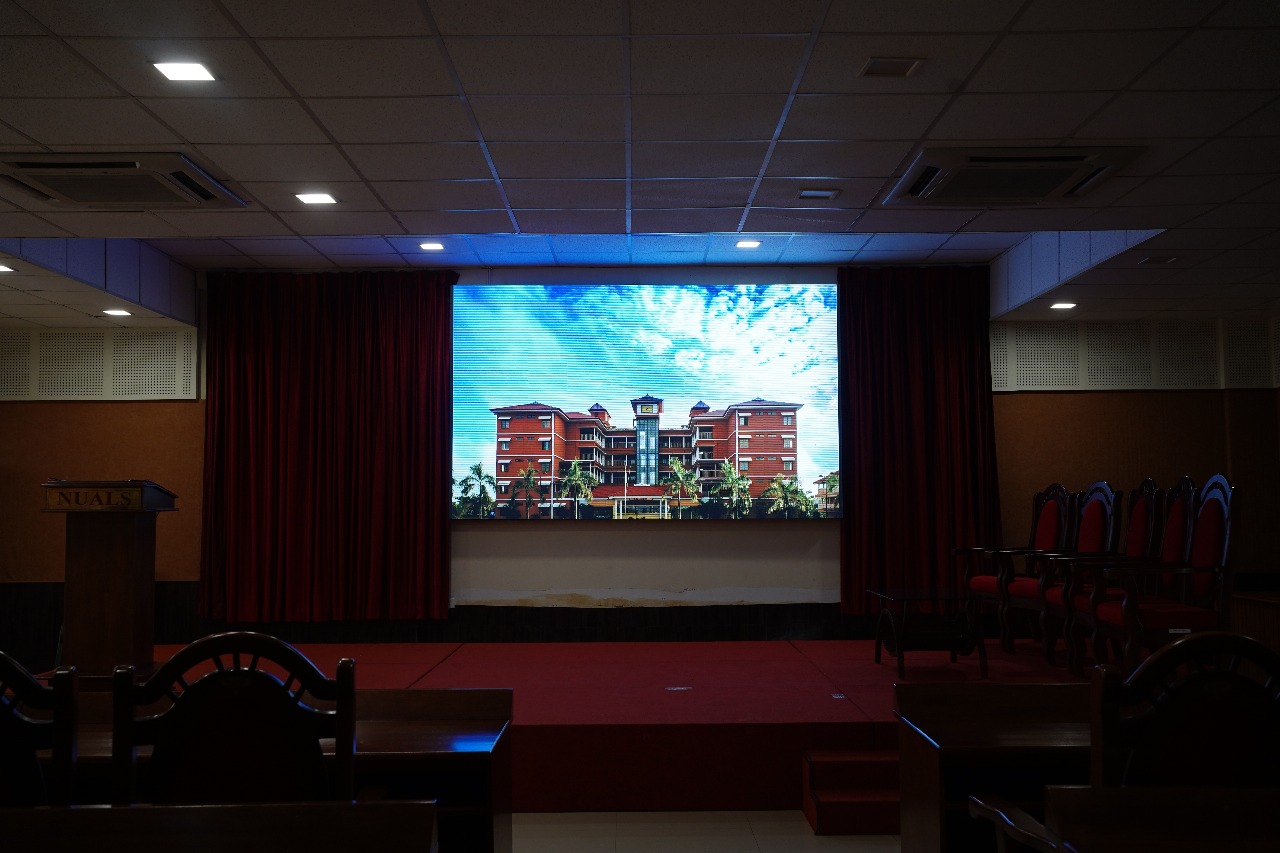
Finding the Best LED Wall Supplier, Display Supplier, and Manufacturer
LED walls and displays have transformed business communication with their high-definition graphics for advertising, events, and entertainment. Whether you require an outdoor billboard, an indoor video wall, or an event rental LED screen, you require a proper supplier and manufacturer for quality and performance.
What to Look for in an LED Wall Supplier
A good LED wall supplier will be needed to provide quality products with latest technology. Some of the points to be considered while selecting the supplier are as follows:
Product Quality – Seek LED screen suppliers that have high brightness, good resolution, and reliability so that they can function in adverse weather conditions.
Customization Options – They should be in a position to provide a range of different sizes, pixel pitches, and formats to meet the particular needs.
Installation & Support – Be sure that professional installation and technical support are always available.
Energy Efficiency – LEDs are energy-saving, relieving the burden of operational expenses.
Selecting the Best LED Display Supplier
A. A good LED display supplier would be one that provides creative solutions to numerous industries. Points to be considered should be:
Superb Range of Products – There should be an excellent range of indoor, outdoor, rental, and fixed LED displays.
Sophisticated Display Technology – Increased refresh rates, real color capture, and smooth video playback ensure best quality.
Reasonable Price – Reasonable pricing without a compromise on the quality is the key to long-term investment.
Warranty & Support – Good suppliers provide warranties and personalized customer support.
Why the Right LED Manufacturer Matters
The manufacturer itself determines the performance and lifespan of LED walls. While selecting the manufacturer of the LED wall, remember:
Refined Manufacturing Process – Top-quality material and top manufacturing ensure reliability.
Made-to-Order Solutions – Either variable LED panels or extremely thin screens, the company has to provide made-to-order solutions.
Standards Compliance – Make sure the company complies with industry standards of safety and performance certifications.
Advanced Features – Better manufacturers include features like AI-based content handling and interactive screens.
Key Points Before Buying an LED Wall
Take the following into consideration before purchasing an LED wall:
Application – Specify if the LED screen would be utilized for outdoor signage, retail, business, or entertainment.
Pixel Pitch & Resolution – A lower pixel pitch will display sharper images for near-view applications.
Durability & Weather Resistance – Outdoor screens to be mounted should be water-resistant and dust-resistant.
Maintenance & Repairs – Use LED walls with easy access for repair and component replacement.
With the correct LED wall supplier, LED display supplier, and manufacturer, you possess high-performance, high-quality LED products made specifically to your specification. With service, quality, and innovative technology in mind, you enjoy maximum return on investment with the optimum visual display experience. Whether business, promotion, or event, only the best LED solution works.
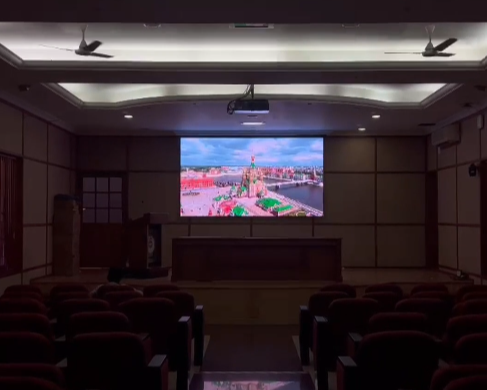
What are the major rental choices of LED video walls in India?
There are multiple rental choices based on the nature of the venue and event:
Outdoor LED Video Walls – Outdoor events with weather-resistance and outdoor brightness.
Indoor LED Video Walls – Corporate, exhibition, and conference events with HD screens.
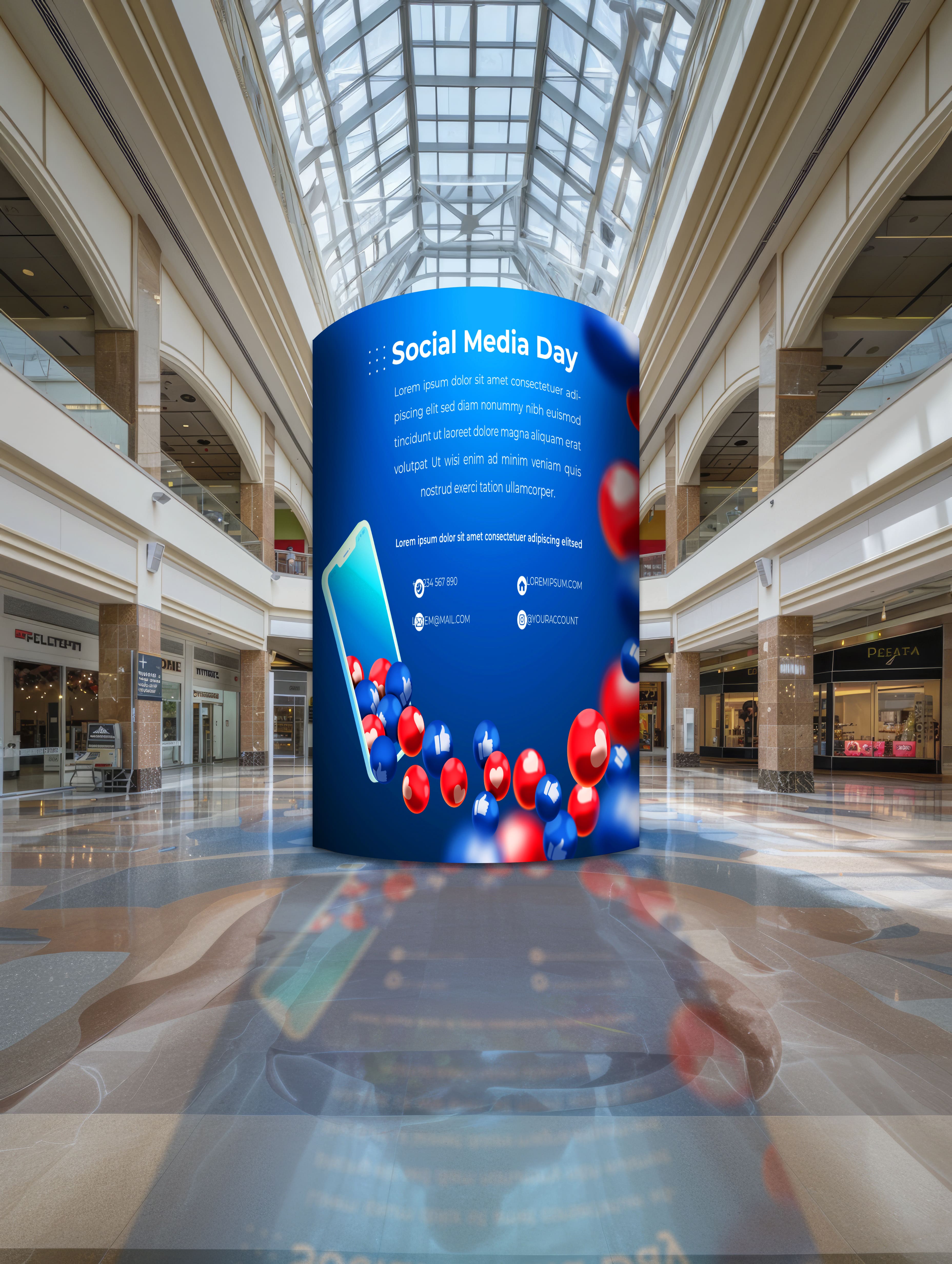
Curved LED Walls – Ideal for immersive experiences and innovative stage design.
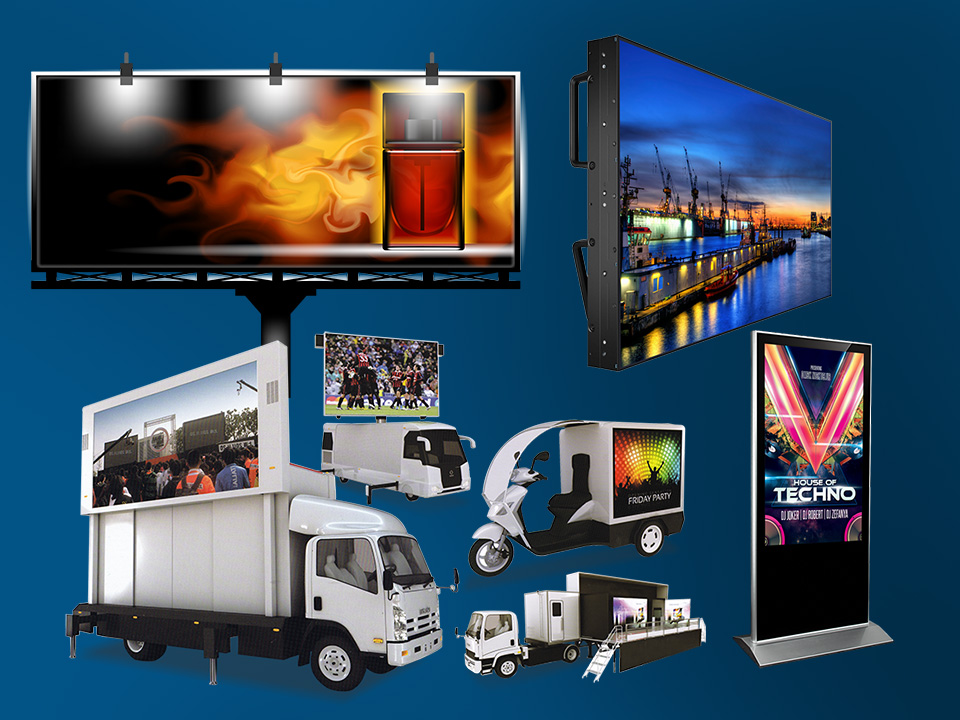
Mobile LED Screens – Installed on automobiles for outdoor publicity and roadshows.
Modular Rental LED Panels – Flexible screen panels depending upon the size of the event.
What are the best-selling LED video wall models for hire?
The best-selling LED video wall models for hire in India are:
P2 LED Video Wall – Suits to be seen close by, used for conferences and exhibitions.
P3 LED Video Wall – Utilized predominantly for weddings and corporate presentations.
P4 LED Video Wall – Utilized most for medium-viewing range trade show and retail installations.
P6 LED Video Wall – Utilized most for concerts, broadcasting sports events, and large-scale indoor events.
P10 Outdoor LED Wall – Utilized for billboards and outdoor advertising at a large scale.
What should I check when selecting an LED video wall rental firm?
Screen Quality – High resolution and adequate brightness for proper visibility.
Technical Support – Firms providing 24/7 technical assistance and on-location troubleshooting.
Customization Options – Range of screen sizes and setups provided.
Competitive Pricing – Comparison of rates charged and additional value-added services.
Past Experience – Customer references and case histories of past jobs.
What are the advantages of renting an LED video wall over purchasing one?
Cost-Effective – No need to pay the high initial cost of buying an LED screen.
Flexible Usage – Rent for a particular event period without having long-term commitments.
Hassle-Free Maintenance – The rental house takes care of installation, maintenance, and dismantling.
Scalability – Upgrade or change the display easily according to event requirements.
Can the LED video wall be customized to fit my event?
All providers do allow for customization. You can pick and choose from the screen size, resolution, and configuration to fit the specific needs of your event. There are some providers who also have interactive and branding features.
How long in advance must I make an LED video wall rental booking?
It's advisable to reserve at least 2-4 weeks prior to confirm availability and installation.
LED video wall in India is a suitable option for corporate and event managers seeking effective visuals without capital investment. Choosing the right rental source, you can enjoy a seamless experience and dazzling display quality for your event.

What is the Outdoor LED Screen E-Wall Series?
Outdoor LED displays changed the digital display and advertising industry with their high-definition imagery both in rain and shine. The Outdoor LED Screen E-Wall Series is one of the more recent outdoor digital signage products that proudly flaunts its resilience, brightness, and modern technology. What then is the E-Wall Series, and how does it differ from common outdoor LED displays? Let us discuss its pros, main functionalities, and applications.
Getting Acquainted with Outdoor LED Screen E-Wall Series
E-Wall Series is a professional-level outdoor LED screen solution designed to provide brighter image quality, energy-saving, and super performance. E-Wall LED screens are specially designed to cater to the large advertisement, sports stadium, concert hall, street festivals, and digital billboard markets.
Best E-Wall Series Features
1. Outstanding Brightness & Ideal Visibility
E-Wall Series provides top-tier levels of brightness with the promise of absolute viewability of material without interference even when facing direct outdoor sunlight exposure. It is therefore most applicable to street sign and use in large screen installations.
2. Weather & Longevity Proof
With the rugged weather condition proofing, the E-Wall Series boasts IP65/IP67-rated, water and dust proof, as well as heat resisting features as well. This type of guarantee promises performance never halts regardless of the surrounding environment.
3. Energy Saving
Unlike common LED displays, the E-Wall Series utilizes power-saving technology in order to save energy without impairing brightness and performance.
4. Seamless Display & High Refresh Rate
These LED displays provide flicker-free video output with high refresh rate, ideal for low flicker and smooth video playback. This is required in live event broadcasting and dynamic signage.
5. Simple Installation & Maintenance
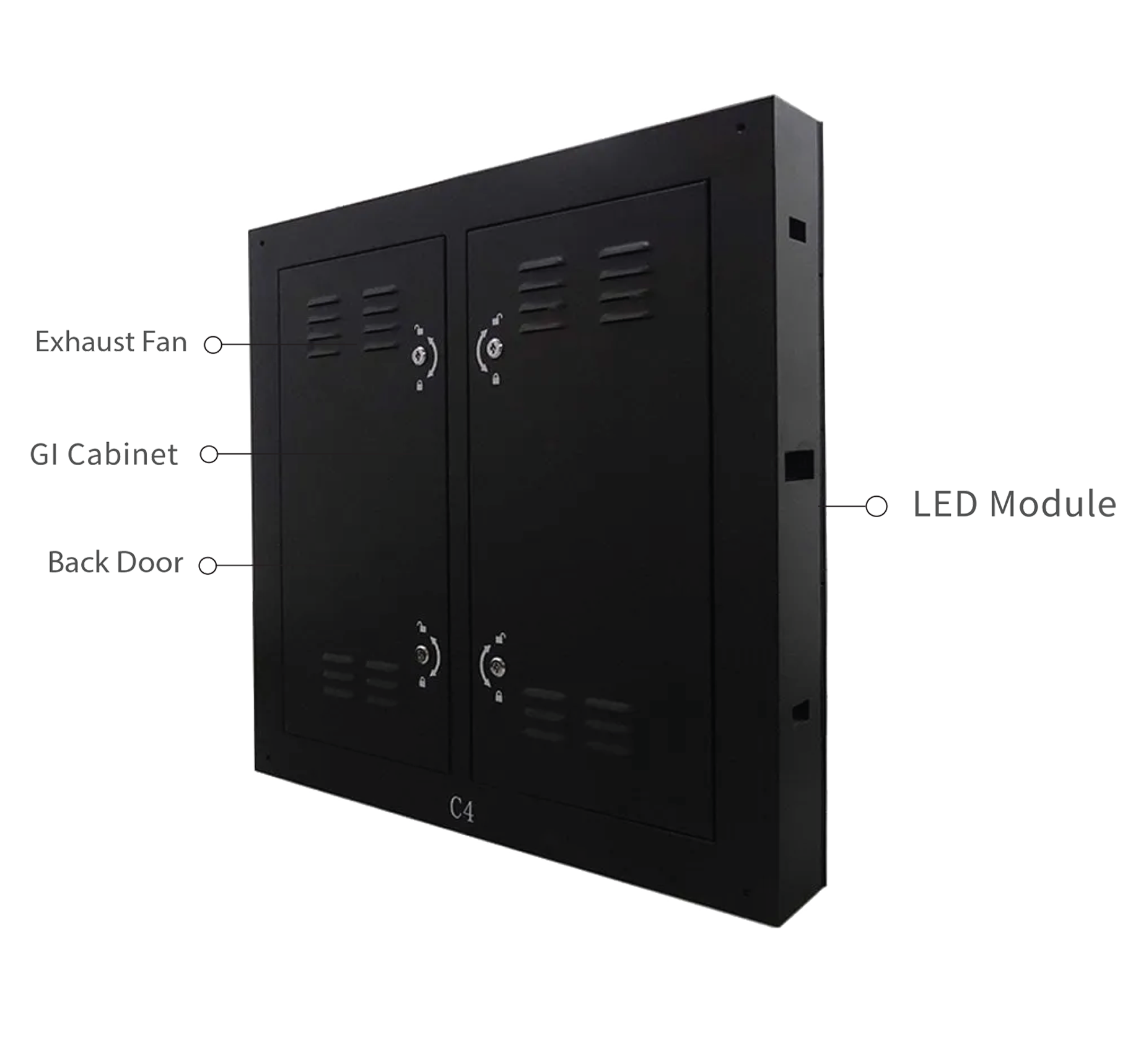
The E-Wall Series features modular design for easy installation and maintenance. Front and rear access ensure simple repair and replacement, reducing downtime.
6. Sophisticated Control System & Connectivity
Cloud-based and intelligent connectivity solutions enable users to manage content affordably with cloud-based functionality or local networks. This enables immediate updation of adverts by firms.
Application of the E-Wall Series
Outdoor LED Screen E-Wall Series can be applied for different uses, including:
Outdoor Advertisement Billboards: Ideal for company ads at congested locations.
Sports Stadiums & Arenas: Displays current scores, players' statistics, and live play.
Concerts & Events: Engages the public with live streaming and interactive graphics.
Retail & Shopping Centers: Promotes brands and promotions with interactive digital signage.
Public Information Displays: Deployed throughout city districts and transit centers to dispense real-time information.
Why Choose the E-Wall Series?
Outdoor LED Screen E-Wall Series is a mix of innovation, durability, and energy efficiency different from the conventional outdoor LED screens. Its weather resistance, energy efficiency, and high resolution place it as the best choice for digital outdoor advertisements and promotions.
For business owners and event promoters who need a world-class outdoor LED display solution that is also reliable, the E-Wall Series is the way to go. This unit has its rugged build, enhanced performance, and innovative technology that provides maximum interaction and impact for outdoor viewers. For public announcements, entertainment, or advertising, the E-Wall Series is the best investment for an engaging visual experience.
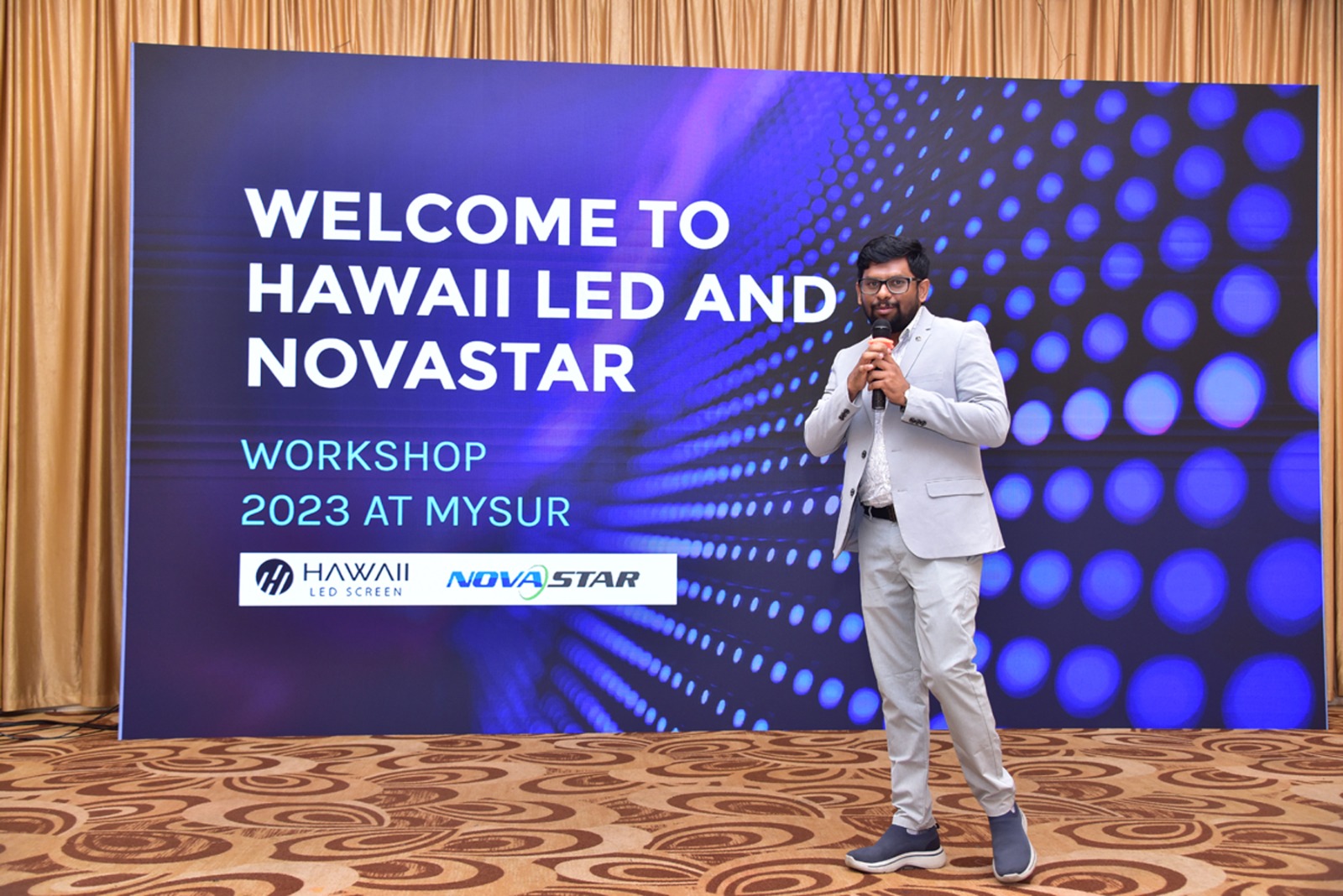
How a Conference LED Screen Enhances Presentations and Audience Engagement
In the modern business environment, good communication is the secret to making great presentations. From a business conference to a seminar or product launch, winning the hearts of the audience is the recipe for success. A Conference LED Screen is a must-have feature that can enhance presentations through enhanced visual quality, dynamic presentation of content, and user interactivity. Let us observe how a Conference LED Screen can take presentations to the next level and engage the audience. 1. Enhanced Visual Quality for Clear Communication
A High Definition Conference LED Screen promises clear images, offering audiences comfort of understanding critical messages. LED screens are unlike projectors since they promise high brightness, satisfactory contrast, and deep colors, making presentation legibility possible even in very light conference rooms.
2. Giant-sized Projection for Simplicity of Viewing
Conference LED Screens come in varying sizes and shapes so that the presenter can present content on a large size. It is now easy for people seated far at the end of the hall to see presentations without squinting their eyes. Greater visibility translates to greater audience recall and understanding.
3. Dynamic Content Presentations for Greater Interaction
Unlike static slides, Conference LED Screens are capable of showing dynamic content like live streaming, video, and animation. It brings interactivity to the presentation and it becomes more lively and interesting, and the audience is interested throughout the session. Multimedia integration optimizes the capacity to tell stories and makes it easier to absorb complex information.
4. Real-Time Interactivity and Engagement
Latest Conference LED Displays allow real-time interactivity, for instance, live polls, Q&A, and social media. This allows speakers to engage the audience actively in real time, rendering the experience more interactive and participatory.
5. Seamless Integration with Multiple Devices
Conference LED Screens are simple to hook up laptops, tablets, and other devices in order to present content with ease. Such a freedom of flexibility enables speakers to switch between various forms of content with ease in order to create engaging and interactive presentations to satisfy audience needs.
6. Economical Solution of Long Lasting Life
Although Conference LED Screen investment in the initial phase is more than other display solutions, they are cost-effective in the long term. LED screens are long-lasting, use less power, and are low-maintenance, hence a perfect investment for conference organizers.
7. Branding and Professionalism Building
A top-of-the-line Conference LED Screen does not only enhance the presentations but also presents a brand image. Conference organizations may utilize Conference LED Screens to display logos, sponsor messages, and personalized graphics, providing a professional image and lasting impression to the audience.
Conference LED Screen is not only a presentation aid—it's the secret to delivering incredible presentations and engaging audiences. From real-time interactivity to high-definition video, Conference LED Screens are revolutionizing conferences to an even higher level by making them even more interactive, engaging, and productive. A worthwhile Conference LED Screen investment ensures that every presentation leaves its own mark on the audience, and your event is a huge success.
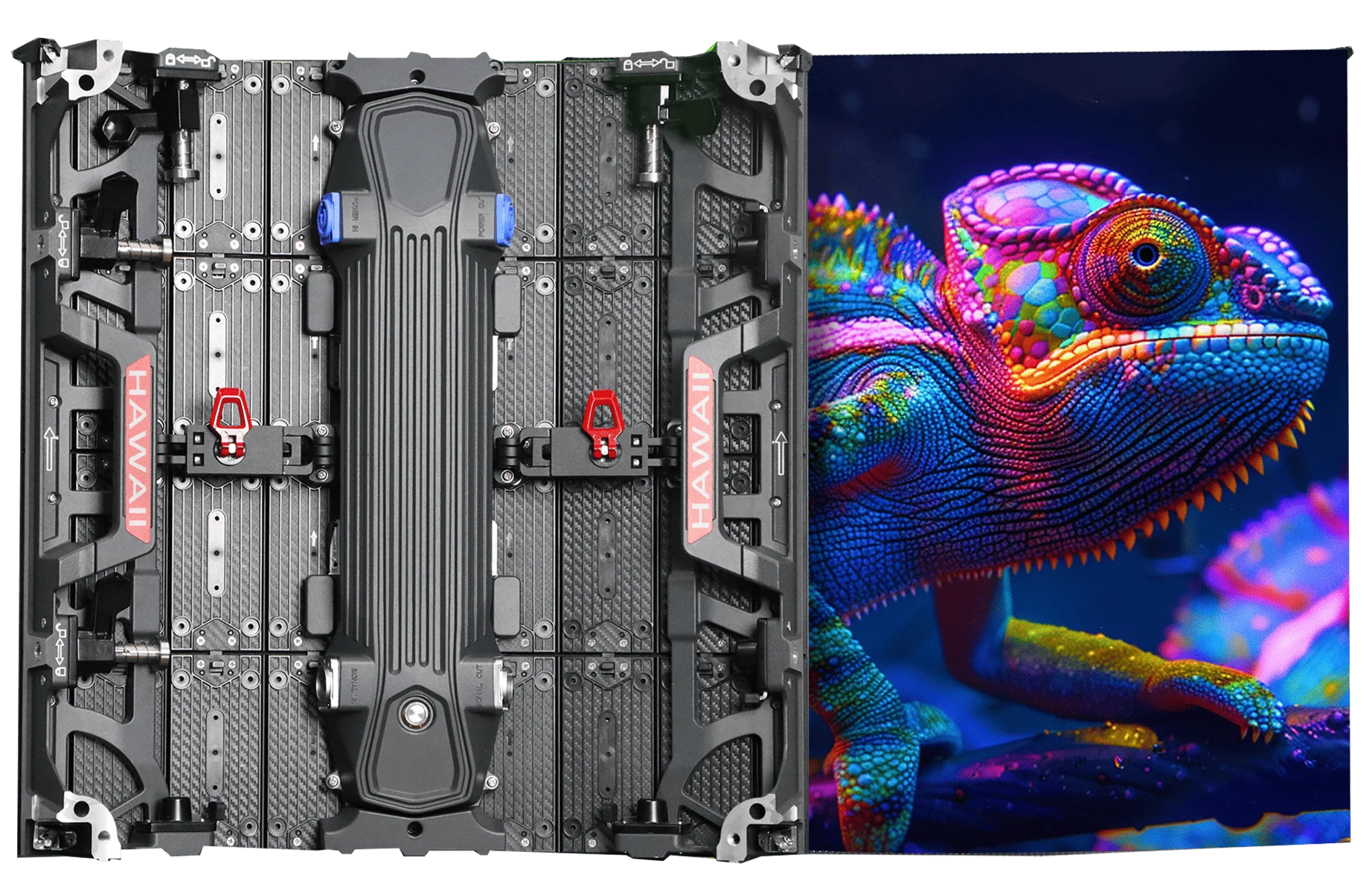
Do Top LED Wall Manufacturers Offer Customized Solutions for Business?
In the speedy age of digital display, business always seeks out fresh and new means of interacting with its audience and unveiling the brand with improved visibility. One of the best resources at hand in contemporary advertising and communication is the LED video wall. However, does one wonder whether industry leaders in LED walls provide tailored solutions to business? The answer is emphatically yes!
Why Customization Matters in LED Walls
Every business has unique needs, either advertising, retail signage, corporate presentation, entertainment, or grand events. An all-purpose solution does not suit unique needs all the time. Customization provides businesses with a way to access an LED wall solution that perfectly suits their room, audience, and functional applications.
How Leading LED Wall Producers Deliver Customization
1. Adaptable Display Size and Form
Large producers provide LED screens in varying forms and dimensions, ranging from the traditional rectangular display to curved, cylindrical, or irregularly shaped panels. This allows businesses to fit LED walls that suit their spatial and architectural constraints.
2. High-Resolution and Pixel Pitch Customization
Businesses can choose to install different pixel pitches and resolutions based on their intended use. A store, for instance, might employ a high-resolution in-window LED screen at nearer distances, while a stadium might employ a lower-resolution outdoor LED wall with wider measurements.
3. Outdoor and Indoor Customization
LED walls are installed for indoor or outdoor applications, with weather-proof and durable versions that are designed to be mounted outdoors. Multiple brightness and protection levels (e.g., IP65-rated panels) are provided by manufacturers to be weather-resistant.
4. Interactive and Smart LED Walls
For businesses looking to increase customer engagement, touch-sensitive or motion-sensing interactive LED walls can be provided by some manufacturers. These are most useful for shopping centers, museums, and exhibition centers.
5. Content Management and Integration
Dedicated LED walls enable flexible content management systems, with companies integrating their own media, scheduling, and control programs. Suppliers typically provide proprietary software to enable smooth operation, where content can be updated in real-time.
6. Brand and Aesthetic Tailoring
Companies are able to purchase LED walls with a specific brand identity, color, logo, and animation of their choice. This is an aesthetically consistent and cost-effective digital shopping experience for customers.
Advantages of Choosing a Customized LED Wall Solution
Improved Brand Identity: Upscale displays carry strong influence on customers.
Improved Performance: Personalized solutions can fit individualized lighting, sight distance, and functionality requirements.
Greater Interactivity: Interactive LED walls interact with the audience and promote greater interactivity.
Cost-Effectiveness: Businesses incur costs only for features they need, without waste.
Yes, top LED wall suppliers do offer custom solutions for businesses. If you need a high-definition indoor display for a corporate lobby or an outdoor weatherproof LED wall for mass marketing campaigns, top suppliers can create custom solutions to meet your specific needs. Purchasing a custom LED wall ensures that your business makes a lasting impression and creates a visual impact.
Want a customized LED wall for your business? Check out the list of best LED wall providers who can make your dreams a reality!

How LED Video Walls Enhance Customer Engagement?
All industries are currently trying their best to engage and hold the attention of customers in the fast moving digital world. In pursuit of this objective, LED video walls are becoming a predominant option. From retailing to corporate halls, LED video walls provide dynamic immersive experiences that stay embedded in a person's psyche. Let us discuss these advanced displays and the way they help foster customer engagement.
1. Attracts and Holds Attention
One of the main challenges in the marketplace is grabbing attention away from other brands. Bright, high-resolution LED video walls and their compelling content will arrest one's attention instantly. Unlike static older signage, LED displays make an exciting site through visuals that attract the audience and provoke interaction.
2. Enhances Brand Visibility
Wherever you have stronger brand presence, business outcomes follow. LED video walls provide a giant platform where branding, promotions, and messages all come together. Displaying larger-than-life high-quality visuals and compelling animations enforces the brand identity and increases the recall value among customers.
3. Provides Immersive Experiences
Engagement is all about creating an experience for the customer. Holographic interactions, virtual reality integrations, real-time social media feeds, and touch-screen capabilities can all be custom-made for LED video walls to accomplish the dual, paramount objective of immersive and interactive environments. With these interactive features, customers are encouraged to directly engage with the content, making their experience memorable.
4. Displays Information in Real-Time
In retail, corporate setups, or public utility areas, the LED video wall supports businesses in conveying real-time updates. Be it live sports scores, stock market trends, lighting promotions, or weather updates; all made available on the video wall ensures that the customers are always kept informed of current content pertinent to them.
5. Promotes Social Engagement
Through integrating social media feeds on the walls, customer engagement is enhanced. By displaying user-generated content, brand hashtags, and real-time social media feeds, customers feel a sense of community and are encouraged to engage online, leading to more brand awareness and loyalty.
6. Eases Customer Navigation
LED video walls are also great wayfinding tools for large areas like shopping malls, airports, and event spaces. With clear interactive orientations and maps for customers to follow ease of movement to ensure a seamless and hassle-free wayfinding experience. An easier path to what customers need means an increased engagement with your business.
7. Drives Sales and Conversions
LED video walls have a crucial role in influencing customers' purchasing decisions. Interesting visual content featuring product demonstrations, testimonials, and limited offers motivates the customers to act. Studies have shown that dynamic digital displays have better conversion rates when compared to normal advertising methods; this makes LED video walls a wise investment for any business.
8. Enriches Customer Experience with Personalization
Personification is one of the prime elements driving customer engagement today. LED video walls can be programmed to show content tailored to the audience demographic, time of day, or previous interactions. Such personalized advertising makes customers feel important, increasing the latter's engagement and repeat business.
Businesses are using LED video walls differently to convey messages with stimulating visuals, interactive experiences, real-time information, and personalized content for immersive memories. LED video walls provide tremendous assistance in customer engagement, brand awareness, and revenue generation in retail, hotels, corporations, and even public sectors.
Want to integrate LED video walls into your business? Reach out to us now and discover the best solutions catered for your needs!
How to Select the Right LED Screen Rental Company for an Indian Wedding
Indian weddings are a grand celebration with vibrant colors and lively sounds, while creating unforgettable moments. Whether it's a traditional ceremony or a modern reception, LED screens have come to be a necessity in today's times for wedding decor and entertainment. From live feeds to pre-recorded videos or creating mesmerizing backdrops, there are many essential requirements for making the right LED screen rental provider for an event. How would you make the right choice is what we discuss below:
1. Know What You Need
Before you search for an LED screen rental firm, consider your needs:
Do you need an enormous outdoor display on the stage, or would you like a number of small ones for live streaming? Is this an indoor or outdoor event? If you're hosting the event indoors, you'll need to look at the resolution-2K, P2, P3, or P4, depending on what you prefer. For outdoors, you would look for a brighter and even more weather-resistance display option.
Purpose: Is it a live streaming, recorded video, or an interactive screen or for a decorative showpiece?
2. Experience in the Wedding Event
Companies who dealt with the events of the weddings will be fully aware of the needs for that type of an event. Require references, some previous wedding project work and some samples from portfolios to confirm whether they had experiences of dealing with similar configurations in the past.
3. LED Screen Quality
All LED screens are not the same. Ensure that the supplier provides good quality screens that have:
Appropriate brightness and contrast for perfect visibility under different lightings
Smooth connectivity for live streaming and synchronized visuals.
Reliable performance to avoid technical failure at the most critical moments of a wedding.
4. Technical Support and Backup Plans
Live events require prompt technical support. The supplier should have:
On-site technicians for the smooth setup and operation of screens.
Backup equipment in case of sudden breakdown.
Ready fixes for troubleshooting to avoid downtime.
5. Customization and Creative Options
Many couples always want to have a wedding that has a sense of personal touch. More suppliers are capable of customization, such as:
Themed animations and dynamic LED backdrops.
Interactive screens for guest engagement.
Personalized content for the wedding highlights, couple stories, or live messages from family and friends.
6. Cost and Rental Packages
Compare the rental charges and packages for value for money. The aspects that influence prices include:
Size and resolution of the screen.
How long is your rental.
Other services including installation, content management, and live streaming.
Request a breakdown quotation and cover for any hidden costs.
7. Testimonials and Recommendations
Testimonials and recommendations of previous users are the best way of ascertaining a provider's reliability. Ask former users whose services were rendered to other weddings.
8. Installation and Dismantling Process
A provider should ensure that the installation and dismantling process is smooth. They should:
Reach on time for proper installation and testing.
Coordinate well with the wedding planners and venue staff.
Remove the setup smoothly without interfering with other wedding activities.
9. Power Backup and Safety Features
Check if the supplier can ensure uninterruptible power supply and has the following features:
Safely wired and cable-managed.
Backup power against blackout.
Weatherproof outdoor installation.
The right LED screen rental provider for an Indian wedding will help make the perfect event, making your wedding memorable. Quality, experience, technical support, customization options, and customer feedback determine a sound LED screen rental provider. Take your time to research, compare options, and express your needs clearly. Your wedding will then be spectacular, it turns out!
Are LED Screens Suitable for Both Indoor and Outdoor Advertising?
Well, in today's fast-changing digital atmosphere, businesses are always on the lookout for ways to capture their audience's attention. Among the most effective tools in modern advertising are LED screens. But are LED screens suitable for both indoor and outdoor advertising? The answer is yes! However, when it comes to the creation of an interior and exterior LED screen, there is a fundamental difference between the two types of LED screens. These differences should be taken into consideration when determining which one is necessary for your advertising needs.
Understanding LED Screens in Advertising
The LED screens revolutionized the advertisement world with color, high definition, and live content. Today, they have become a prime fixture in malls, airports, stadiums, cities, and along highways to deliver advertisements, promotion messages, and brand messages. With their ability to be adapted both indoors and outdoors, though it depends on a number of considerations.
Advantages of Indoor LED Displays in Advertising
Characteristics of Indoor LED Displays
They can be installed inside small rooms and be able to display graphics with high resolutions. They are mounted on corporate offices, airports, malls, conference halls, and retail shops.
Higher resolution as the in-door screens are seen from a nearer distance hence leading to a greater pixel density resulting in a better picture quality.
Bright control; indoor screens are less in brightness than outdoor screens due to the reason that the outdoor screens compete with the brightness of direct sunlight.
Slim and Light Design – Most of the indoor LED screens are slimmer and lighter in weight. They can be mounted on the walls or even be a part of interior designs.
Cost-Effective – They use less power and initial investment as compared to outdoor LED screens.
Outdoor LED Screens for Advertisement
Attributes of Outdoor LED Screens
Outdoor LED screens can withstand outdoor environments and would be a tremendous advertising tool for public places. They are displayed on billboards, stadiums, transportation stops, and highways.
High Brightness Levels- The brightness of outdoor LED is thousands of nits (over 5000nits) greater than the others and can be well visible under sunlight.
Weather-proof Construction- Completely water-tight and dust-proof so that it will face the winds/rain/summer and winter for long periods and it can work properly.
Bigger Display Sizes- LED outdoor screens are mostly big enough to be clearly visible from distances.
Durability-It is also made of strong material by which the outside LED displays might resist even drastic environmental conditions.
LED screens are definitely one of the most efficient media for use in advertising inside buildings and outdoors. They carry all the dynamic contents, high visibility, and flexibility that makes businesses popular in building brand awareness as well as gaining customers. No matter whether it is an indoor LED screen used to display retail spaces or an outdoor LED billboard that is to be used for large promotional activities, spending money on a proper LED screen makes a tremendous difference in an advertisement.
We are proud to offer you high-definition LED screens, crossing over the needs of advertisement and fulfilling every one of your desires. From indoor to outdoor equipment, we have a range to choose from. Contact us today to find the perfect LED solution for your business!
Top Wedding Rental LED Screens in India
Marriages, of course, are not just ceremonies but oneness and love together with memories for a lifetime. For most lovers, nowadays, it makes these special occasions even more precious, and an LED screen wedding rental has become the most highly in-demand feature for weddings. And with heart-wrenching slideshows, the ceremony can be live streamed, while visual touches can enhance reception, which really elevates the wedding to another level.
LED screens have become a part and parcel of modern weddings across India, allowing guests to be engaged during the event and capture each beautiful moment with astounding brightness. Whether it is an indoor intimate wedding or an outdoor lavish affair, the right LED screen rental would transform your special day into an un-vergettable experience.
Why are LED Screens a Necessity for Weddings
LED screens are no longer a luxury. They are the key to making the wedding event much more interactive, memorable, and beautiful to the eyes. Here is why they should feature in your wedding:
Resolution Quality
One of the good features of LED screens is the bright, crystal clear visual effects. Whether you would play your wedding videos, pictures, or even live stream the event, quality display ensures that every detail is perfectly captured.
Different sizes and designs can be customized
It comes in different sizes so that every request can be met depending on the venue and theme of the wedding. You can choose from small indoor arrangements to large outdoor events, whichever size suits your space and vision.
Live Streaming Capability
LED screens will perfectly display live streaming of your wedding ceremony to the guests who cannot attend the function. Whether it is friends and family living across the globe or distant relatives, they all can experience the magic of the day.
Weather Resistance for Outdoor Weddings
Weatherproof LED screens assure that your outdoor wedding event is a success even if the rain catches up or the sun shines bright.
Interactive Elements
The LED screens are interactive. The guest messages may be shown on the screens. Countdowns for the important moments may be shown on the screens, or perhaps fun trivia games that can entertain the guests. Anything is possible and can make the wedding all the more personal.
Features to Watch out for when getting Wedding LED Screens
For anyone searching for an LED screen for his wedding, it's advisable to remember the following features.
Brightness and Contrast: Any wedding being done outdoors demands the use of high bright levels since clarity in visualization should not fade out in case of daylight.
P2 and P3 LED screens also boast a pixel density high enough to let users see clearly in terms of imagery.
Seamless Connectivity: An LED screen should connect with your devices, whether it is a laptop or camera or mobile phone, for displaying the content.
Setup: Choose companies that provide professional setup and teardown services so nothing goes wrong.
Audio-video Integration: The LED screen should harmonize with your audio so everything goes without a hitch.
Choice of LED screen rental for Indian weddings
Proper planning and research goes into finding the perfect LED screen for your wedding. And to guide you, here is a step-by-step process of selecting the correct LED screen.
Know Your Venue
For an indoor wedding, sleek high resolution screens that fit with your theme and decor can be appropriate.
For outdoor weddings, make sure that screens are weather-resistant screens that can sustain the daylight because it is too bright outside.
Size Matters
In the choice of a screen size for marriage ceremonies, fit is key to the size you will use; the screen will give a beautiful view with your guests without being too overwhelming.
Budget considerations
The cost of hiring LED screens differs for various vendors. Therefore, there is a need to compare their offers in order to know which best fits within your budget in relation to quality. Most of the rental services give options that are personal and suitable to your financial plan.
Professional Setup and Quality Support
Hire a rental company that can offer end-to-end services, from delivery to installation, operation, and technical support during the event. Professional assistance ensures everything runs smoothly without any technical glitches.
Check for Customization Options
Some rental companies offer LED screens that can be customized to fit your wedding theme, making it easier to align the screen's appearance with your overall decor.
Top Wedding Rental LED Screens Across India
These are some of the best LED screens for rent at a wedding available across India that will add brilliance to your celebration:
8x12 LED Walls: Extremely suitable for both indoor and outdoor events as one can create really big high definition screens to portray the love story, live streaming, or special messages.
LED Screens P2 and P3: Resolution is high, suitable for an indoor wedding because every picture and video will be projected in high definition.
Outdoor LED walls: Designed to be weatherproof, so they can be used for outdoor ceremonies and receptions. High brightness for easy viewing even at bright daylight.
LED Dance Floors - Make your reception more electrifying with LED dancing floors that glimmer with the step of everybody, making every step an element of fun with interaction.
LED Screens: Available in a customization form to carry on the desired theme of wedding. Some special rental services help create romantic scenes, and their designs complement even the most customized decors
This is that once-in-a-lifetime wedding moment, and the visuals of that day must not forget a thing. As a matter of fact, with LED screens, your wedding will come alive in ways that photography and videography just cannot. Owing to the high-definition display and the interactivity they afford, every moment becomes shared and cherished by all.
Whether it is a private rendezvous or an extravagant gala, the flexibility and influence that LED screen can deliver, making it worth every penny to invest in. The best thing with renting the LED screen is that you ensure every moment of your wedding is shared to your guests in the clearest and most exciting way.
Make your wedding an unforgettable experience—choose the best LED screen rental and take your celebration to the next level!
LED Wall Panels in Bangalore and Hyderabad
LED wall panels have changed the display world for its high definition images, sturdy nature, and flexibility. With an event, advertisement, or business presentation in mind, communication with the public can be successful through these light-emitting panels. Bangalore and Hyderabad are industrial and technological states; hence, demand for this LED wall panel is on rise in these places. We shall check the topmost features, type, and facilities of LED wall panels available here in the following guide.
While selecting a supplier for an LED wall panel in Bangalore or Hyderabad, there are some key points that have to be kept in mind: product quality, installation support, maintenance services, and customization options. A good supplier will guarantee superior display solutions with cutting-edge technology, providing both indoor and outdoor LED screens tailored to the customer's needs.
Some key aspects to look for in a supplier:
High-resolution display: Ensure the panels provide clear and vibrant visuals.
Energy efficiency: Make LED panels with a low power consumption.
Durability: Weather-resistant options for exterior applications.
Customized solutions: Offer LED panels in different sizes and pixel pitches.
After-sales service: Technical support and proper maintenance.
Types of LED Wall Panels
There are several kinds of LED wall panels in Bangalore and Hyderabad. Each has its specific applications. The most common types are:
Indoor LED Wall Panels
These are best for shopping malls, corporate events, conference rooms, and stage performances. These are very bright and have no visual breaks during the view.
Outdoor LED Wall Panels
Outdoor LED panels are used in billboards, sports stadiums, and digital signage. They are weatherproof for high visibility, even under direct sunlight.
Rental LED Screens
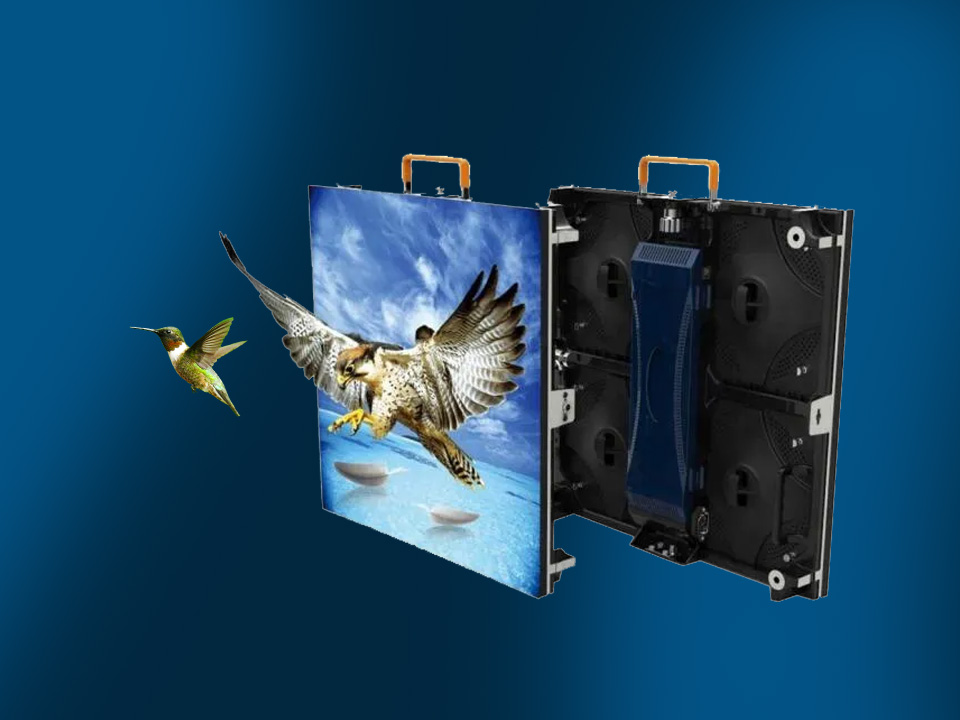
These are primarily used in events, concerts, exhibitions, and trade shows. They are lightweight, transportable, and easy to set up.
Since they are completely transparent, these LED screens offer visibility but hold their digital content shown over them excellently.
Curved LED Panels
To have that extraordinary and immersive experience, curved LED panels allow a better view angle and are suitable for innovative advertisement and architectural exposures as well.
Why Choose LED Wall Panels in Bangalore and Hyderabad?
For that extra sharp effect, LED walls come with high brightness, contrast, and color reproduction.
Scalability & Customization: Available in a wide range of sizes to fit any space and application.
Cost-effective Advertisement: Ideal for digital marketing since it reduces the cost of recurrences that traditional media uses.
Long Lifespan: High-quality LED panels ensure more usage and low maintenance costs.
The ability of easy integration because it supports multichannel video inputs and Content Management Systems as well.
Demands for Bangalore and Hyderabad - LED wall panel installation are gradually increasing across several sectors such as retail, entertainment, corporate houses, and the outdoor advertisement section. This kind of installation might be either permanent or temporary in nature, and the amount paid for good-quality LED panels definitely ensures performance coupled with long term benefits. For a wall supplier in Bangalore or Hyderabad, the best value for the money spent will be found in the resolution, durability, and service support.
LED Display Price in Kochi
If you plan to purchase an LED display screen at Kochi, you'll have to know a little bit about the price. LEDs come in small indoor screens to big outdoor video walls. Its price is determined by many factors. Here is a general idea of what to expect and factors that might influence prices with tips on making the right buy.
Factors Contributing to the Price of an LED Display Screen
Screen Size
LARGER SCREENS obviously cost more, as they need more material and technology. The small indoor screen may start at a few thousand rupees while the large outdoor video walls cost lakhs.
Pixel Pitch
The pixel pitch defines the resolution of the screen. A smaller pixel pitch gives better resolution but at a higher cost. For example, a P2.5 screen will cost more than a P5 screen.
Type of LED Screen
Screens, Indoor: Usually cheaper as these do not require weather proofing.
Outdoor Screens: Those that are installed outdoor are built for withstanding worse weather conditions; hence, priced higher.
Technologies Used
Advanced technologies in the form of 4K displays or curved screens, etc. greatly increases the costs
Brand and Suppliers
Established brands or Premium suppliers charge much more but they usually provide quality and even warranties. There are local suppliers in Kochi who would cost lower for the same quality.
Installation and Maintenance
All of this is a part of the total cost, including the installation cost, which involves the structuring and wiring. Maintenance services usually are not inclusive with all providers.
Average Value Range in Kochi
Indoor Small Displays (32-50 inches): ? 25,000 to ?50,000
Indoor Mid-Size Displays (50-75 inches): ? 50,000 to ?1,50,000
Large Outdoor Displays (Video Wall) : ? 1,50,000 to ?5,00,000 or more
Custom LED Solutions: Charges are according to design and specifications
Note: The prices mentioned below are approximate and differ according to the suppliers and the customization required.
Save on Your LED Display Screen Costs
Compare Suppliers
Obtain quotes from various suppliers in Kochi. This can help you make the right choice on the best deal without compromising on quality.
Choose the Right Pixel Pitch
Do not overpay for features you do not need. In case of viewing distances higher than 5 meters, a higher pixel pitch may suffice.
Consider Rental Options
If the screen needs to be in place for just a short term event, rent could be another cheap option.
Prepare for Extended Usage
Choose robust screens along with good guarantees, so they are not a replacement and then require constant repair
Bargain Installation Fees
Installation is incorporated into the sale of some firms. Always get to confirm so as not to catch them off their guard with this additional cost.
An LED display screen in Kochi can be an excellent investment for your business or events. The above tips can help you understand the pricing factors so that you don't compromise on quality and can make a cost-effective decision.
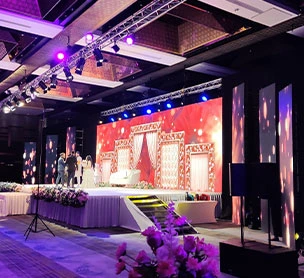
Indian weddings are known for grandeur and celebration, incorporating age-old traditions with modern aesthetics. LED screens have become one of the most widely used decorative elements, incorporating lively displays for live streaming, presentations, and thematic shows. In Chennai, a city thriving on the richness of culture, wedding rental LED screens are setting new standards in immersive experiences.
Features of Wedding Screens
The LED screens for wedding rentals should be selected based on features that make the event visually appealing and function seamlessly. These features ensure the guests enjoy a memorable experience, while the couple treasures unforgettable moments.
High-Resolution Displays
Modern wedding LED screens provide high-definition visuals that bring every moment to life. Whether it’s a slideshow of the couple's journey or a live feed of the ceremonies, these screens offer unmatched clarity and detail.
Key Attributes:
- 4K and HD Options: Perfect for large gatherings.
- Wide Viewing Angles: Ensures clear visuals for all attendees.
- Vivid Color Accuracy: Adds depth and vibrancy to the display.
Customizable Sizes and Designs
Weddings require flexibility in screen size and layout due to varying venue dimensions and themes. Modular LED screens can be adapted to any space.
Advantages:
- Smooth Integration: Accommodates stage arrangements, backdrops, or independent displays.
- Innovative Configurations: Allows for arched or multi-screen configurations.
- Portable Solutions: Quick installation and dismantling save time and labor.
Interactive and Dynamic Content Options
Interactive LED screens are a trend at wedding receptions. Guests can share messages, display live polls, or even social media walls with wedding hashtags, making the event more engaging.
Rental Guide for Chennai
Finding the right LED screen rental service in Chennai requires careful consideration of local expertise, equipment quality, and service reliability. Here's a guide to help you choose.
Top Rental Providers in Chennai
Several vendors in Chennai offer wedding LED screens with a wide range of options to suit all budgets while maintaining quality.
Recommended Providers:
- DisplayMasters Chennai: Known for quality screens and rapid setup.
- WeddingVisions LED Rentals: Offers customized packages for various events.
- EventGlow Rentals: Specializes in interactive LED screen solutions at competitive prices.
Before finalizing a vendor, evaluate their offerings and compatibility with your event needs.
Checklist:
- Screen Specifications: Verify resolution, brightness, and size options.
- On-Site Support: Ensure the company provides technicians for setup and troubleshooting.
- Power Backup Solutions: Essential for uninterrupted display during power fluctuations.
- Cost Transparency: Confirm all costs, including installation and dismantling fees.
FAQs
Why are LED screens popular for weddings?
LED screens enhance wedding aesthetics with vibrant visuals, live streaming, and dynamic content, making events more engaging and memorable.
What are the most important characteristics of wedding rental LED screens?
High resolution, customizable sizes, wide viewing angles, and interactivity are crucial for engaging events.
How do I choose the right LED screen for my wedding?
Consider the venue size, event theme, and budget. The resolution, brightness, and design should meet your requirements.
Are wedding LED screens ideal for outdoor events?
Yes, outdoor LED screens are waterproof and designed with high brightness levels for daytime use.
Will the rental service offer on-site support?
Most rental companies in Chennai provide on-site technicians for installation, operation, and troubleshooting.
Wedding rental LED screens are redefining celebrations in Chennai and beyond, offering visuals unmatched in grandeur. Whether capturing emotional moments or dynamically changing backdrops, these screens are a magnificent and innovative investment. Ensure your special day stands out by choosing reliable rental providers and prioritizing key features for an unforgettable visual experience.